From Cannes: ‘The Unknown’ Fumbles a Fantastic Premise
Dir. Arthur Harari — 2.5 Stars
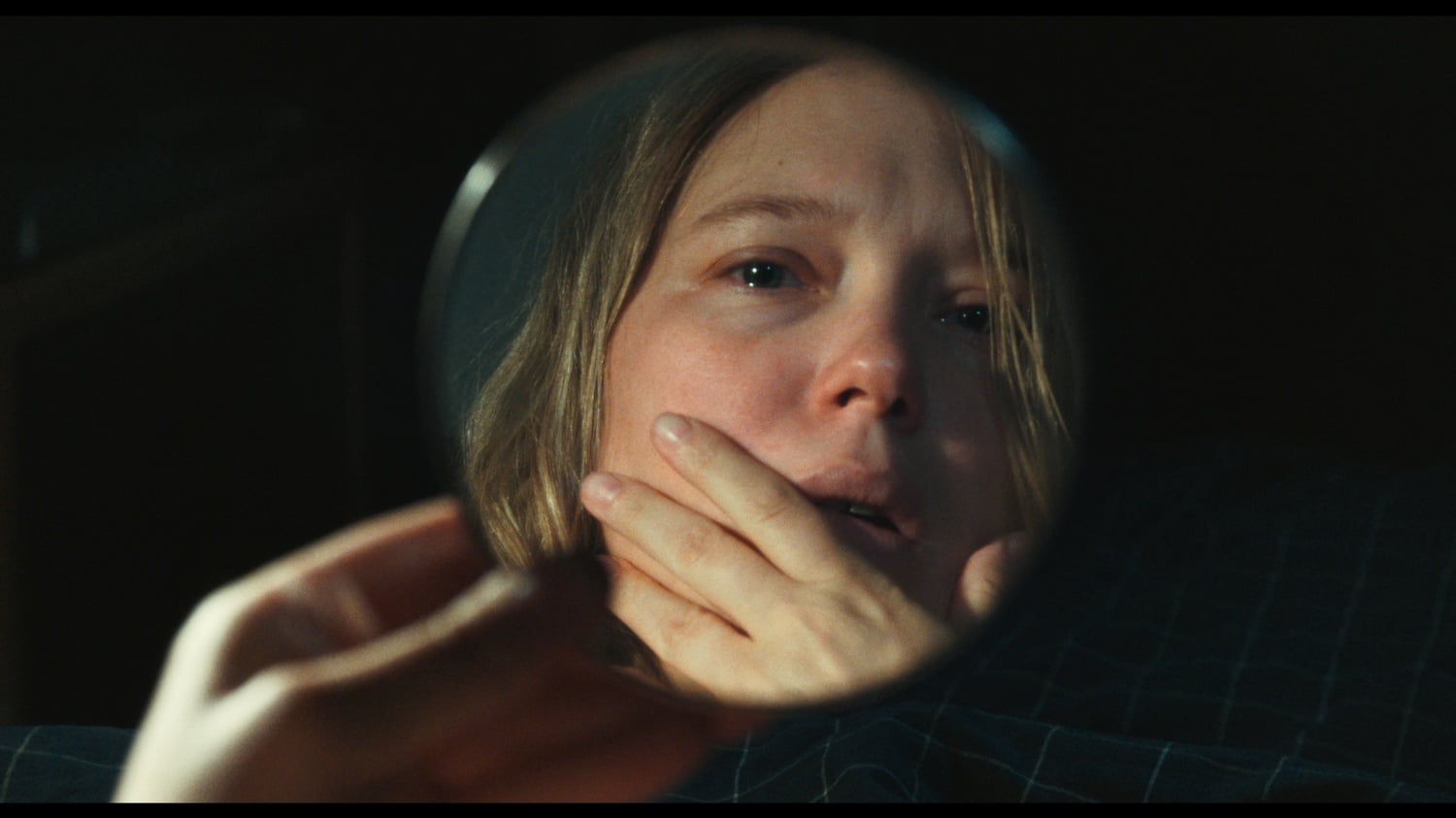
Written and directed by Arthur Harari, “The Unknown” (“L’Inconnue”) tells a meaningful and enthralling story, though its execution is troubled. The film follows David Zimmerman (Niels Schneider), a nearly 40-year-old photographer who hides his work from the world. After sleeping with an unnamed woman (Léa Seydoux) at a wild party, he wakes up to find they have switched bodies. A riveting premise with incredible potential, “The Unknown” takes audiences on a tumultuous journey as David and the woman grapple with their evolving relationships — with both each other and their new selves.
The storyline is rich with symbolism and powerful commentary. The body swap premise gives way to conversations around sexual assault and consent, particularly through certain necessarily uncomfortable scenes in which the pair discover each other’s — and, in turn, their own — bodies. The film highlights the importance of autonomy and consent, foregrounding the innately human desire for control over one’s life and body. Even more, it offers a compelling critique of transphobia, as David and the woman go to extremes to escape the bodies that feel unnatural to them. It forces audiences to consider how they may take for granted the feeling of comfort with their own identity. In a touching observation of humanity, “The Unknown” is a reminder of how far one will go to preserve their autonomy.
Despite its powerful premise, the film is arduous to watch due to its slow pacing. The first hour feels as though it could be condensed into 30 minutes. A recurring motif is long close-up shots of a character staring into space. While allowing the audience to sit with the protagonists for a moment — observing their microexpressions or finding meaning in their silence — can be effective, the frequency with which it occurs in “The Unknown” removes all significance and ultimately feels like a waste of time.
The film’s struggles with editing are exacerbated by Tom Harari’s cinematography. Although technically sound, it is incredibly bleak. The entire film — with the exception of a few scenes — is shrouded in blue and gray tones. The colors match the story’s darker themes, but they lack innovation and drag down its visual weight. The score faces the same issue: The soundtrack feels almost textbook for sad auteur films, with single drawn out piano notes followed by silence to let in the diegetic sound of the city.
Despite its technical shortcomings, “The Unknown” is anchored by its incredible acting performances. Schneider is provoking as David, and later as the woman trapped inside him; his discomfort is palpable and his sadness is profound. Seydoux is equally marvelous as the unnamed woman, and later David trapped in her body. The two effectively capture the awkward, tense relationship between the characters and the clear switch in demeanor and body language as they switch forms.
“The Unknown” is an incredible story with incredible potential, which unfortunately makes the end product all the more difficult to watch. The film’s great performances and premise are not enough to overshadow its pacing and aesthetic issues. Still, “The Unknown” is a thought-provoking exploration of life, identity, and gender — sure to spark modern conversation.
—Staff writer Dzifa A. Ackuayi can be reached at [email protected].
Want to keep up with breaking news? Subscribe to our email newsletter
Have a tip for The Crimson? Share it confidentially