Harvard enters this year’s Board of Overseers election with the University under greater pressure than any other time in recent memory — and not for lack of competition.
This week, voting opened for the race to join Harvard’s second-highest governing body, and will remain open until May 19. The Crimson Editorial Board interviewed seven of the nine candidates to understand how they would approach the challenges Harvard grapples with today. (Clive Chang and Teresa Clarke ’84 both declined to interview with us, citing their executive roles at a nonprofit and digital media company, respectively.)
Following these interviews, we deliberated on the candidates and held a ranked-choice vote to establish our collective endorsements. Editors chose their rankings independently, but as a Board, we prioritized candidates’ demonstrated knowledge of the problems facing Harvard and their thought process in approaching those challenges. We also weighed how their positions aligned with our own.
This package features edited transcripts of the Board’s interviews with the candidates, accompanied by our evaluations of them. As Harvard continues to navigate a uniquely challenging era, we hope to inform alumni voters as they decide which contenders are best fit to help lead the University forward.
—Heidi S. Enger ’27 and Zakiriya H. Gladney ’27, Crimson Editorial Chairs
Over the past year, the University has faced fundamental threats to its core functions at every turn. Relentless attacks from the Trump administration have targeted federal research funding, institutional independence, and international students. As a result, Harvard has been dragged into the court of public opinion time and time again.
Under the watchful public eye, the University unveiled a suite of internal changes. It shuttered diversity offices. It altered admissions interview practices in what appears to be preemptive compliance with Trump’s overbearing interpretation of Students for Fair Admissions v. Harvard. It investigated newly uncovered ties to convicted sex offender Jeffrey E. Epstein.
Amid the University’s multivalent crises, the Board of Overseers will play an essential role shaping the future of Harvard’s public image, funding, speech climate, and academics.
Of the Harvard Alumni Association’s nine candidates, the Editorial Board ranked the seven with whom we were able to interview. In our view, four candidates were uniquely balanced and thoughtful, well-informed on issues facing Harvard, and aligned with our goals for the University.
The candidates who receive our strong endorsement are Salvo Arena, Trey Grayson ’94, Philip L. Harrison ’86, and Alfredo Gutiérrez Ortiz Mena.
The following are the Editorial Board’s evaluations of each of the seven candidates we interviewed. Candidates are listed in order of support.
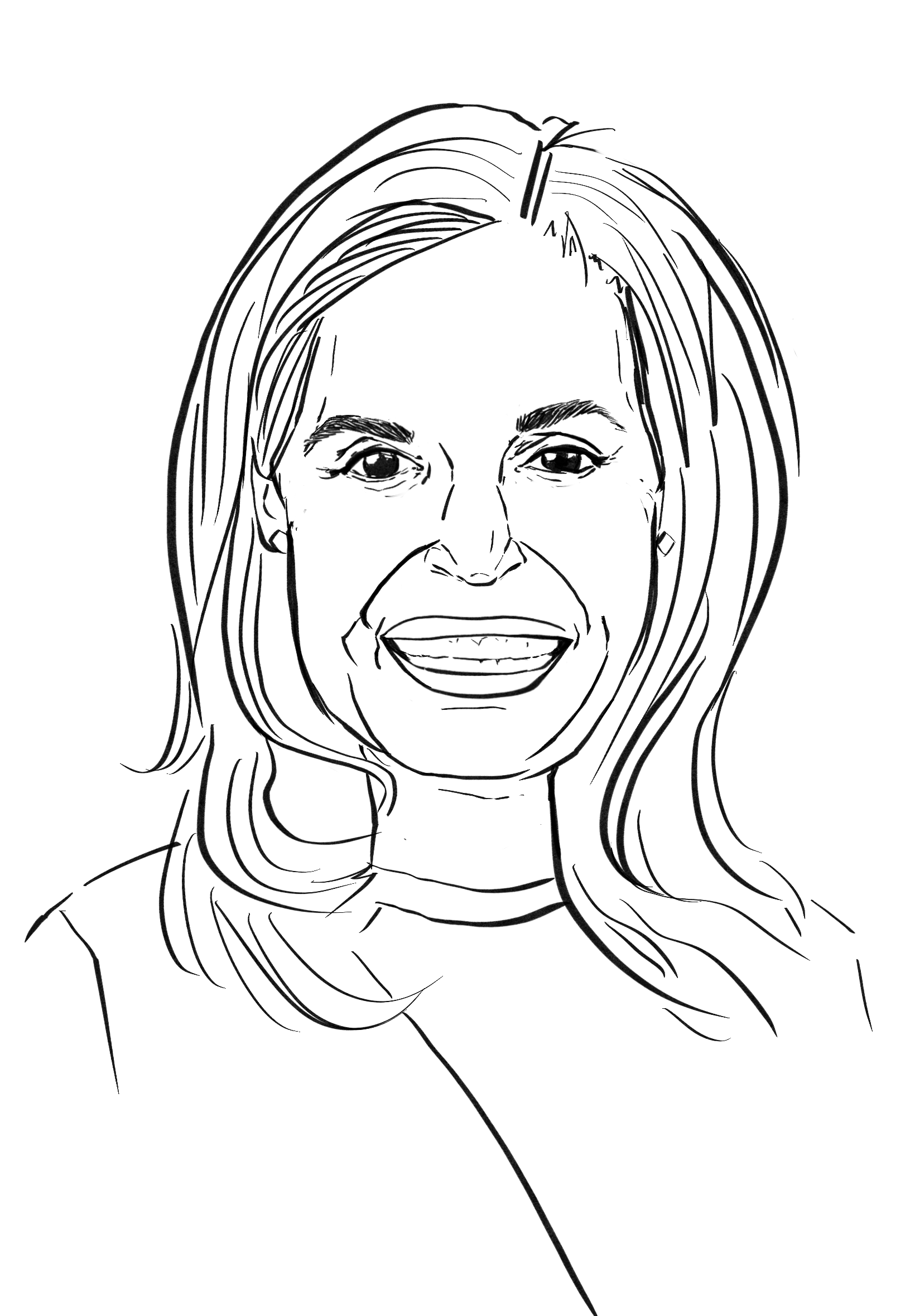
Arena stood out as the Board’s near-unanimous top choice. We were impressed by his thoughtful yet decisive opinions and eagerness to understand student perspectives. He emphasized the value of greater transparency around administrative decision-making and the importance of maintaining Harvard’s autonomy in dealing with the federal government. The board also appreciated his strong positions on diversity, equity, and inclusion, donation policies, and ethnic studies, as well as the valuable perspective his international background would bring. View the transcript →
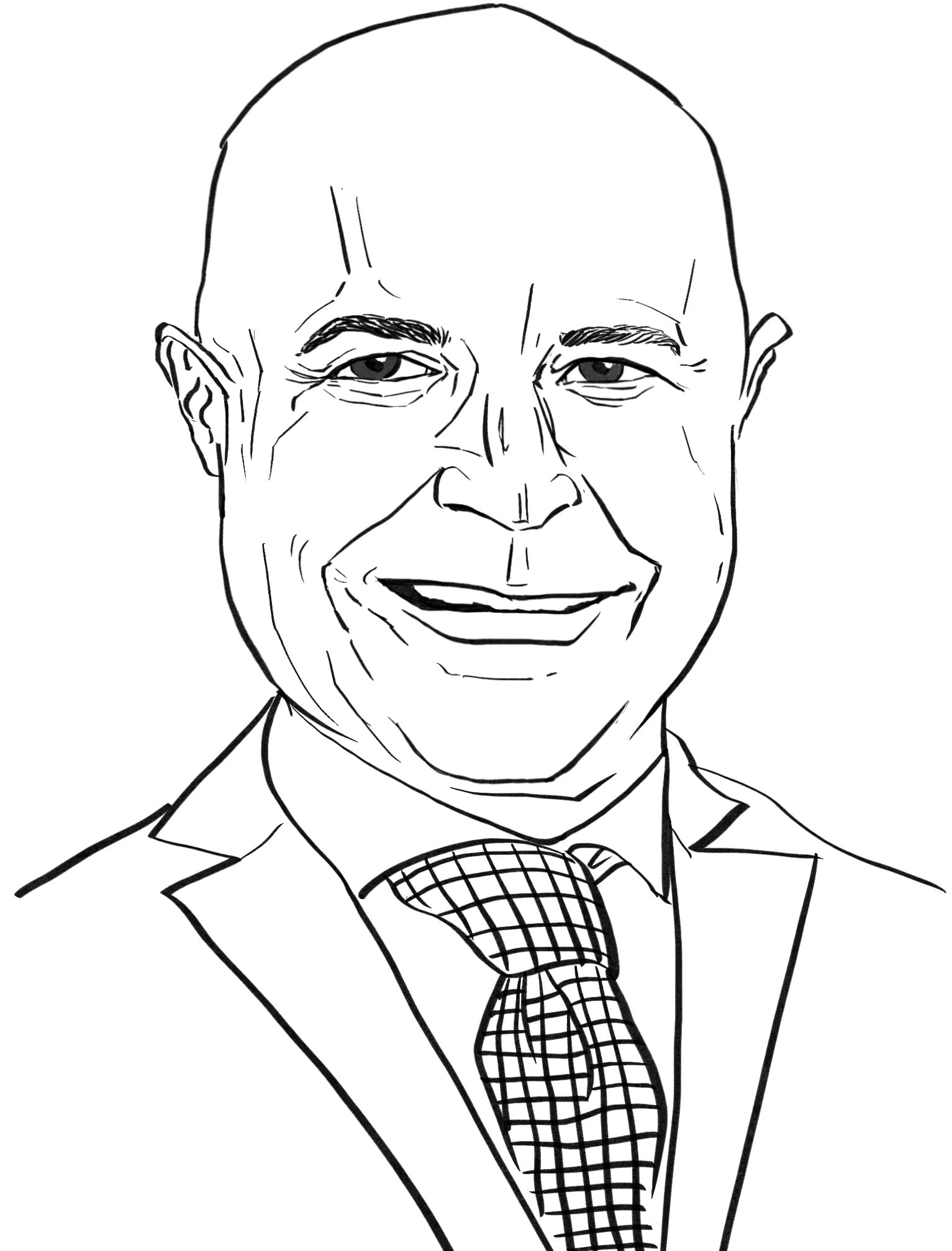
The Editorial Board was impressed by Grayson’s nuanced reasoning on funding, transparent governance, and the need to not compromise on Harvard’s core functions when interfacing the Trump administration. We believe his conservative, middle-American background uniquely positions him to address the University’s public opinion crisis. As former director of the Institute of Politics, he brings experience facilitating discourse across ideological lines. Lastly, we appreciated how he expressed support for diversity in admissions and alumni interviewing, while emphasizing the importance of remaining compliant with the law. View the transcript →

Harrison came across as a candidate with clear ideas rooted in a thorough knowledge of the University and the issues it faces. Especially notable was his emphasis on common vision across schools and departments within Harvard. The Board appreciated his serious reflections on alumni interviewing, the importance of DEI to a liberal arts education, and the importance of faculty and student input in governance. Though he insisted on autonomy, his confidence in negotiation with Trump struck us as misplaced. View the transcript →

Ortiz Mena demonstrated deep knowledge of the University and the challenges it faces through well-articulated answers on legacy admissions, donor policy, and institutional neutrality. We believe his judicial background would be an asset to the Overseers at a moment when Harvard faces substantial legal pressure. His international background also stood out. We were further impressed by his evident commitment to his students and to proximity to the academic community of the University as a visiting Harvard Law School lecturer. View the transcript →

Harris emphasized her values-based approach to leadership and conviction that equity is quality, drawing from her experience in the medical field and public health. The Board appreciated her thoughtful, diagnostic approach to issues, like in her nuanced evaluation of legacy admissions. However, we often found her noncommittal on key issues facing the University. At a moment of critical challenges, Harvard needs more decisiveness. View the transcript →
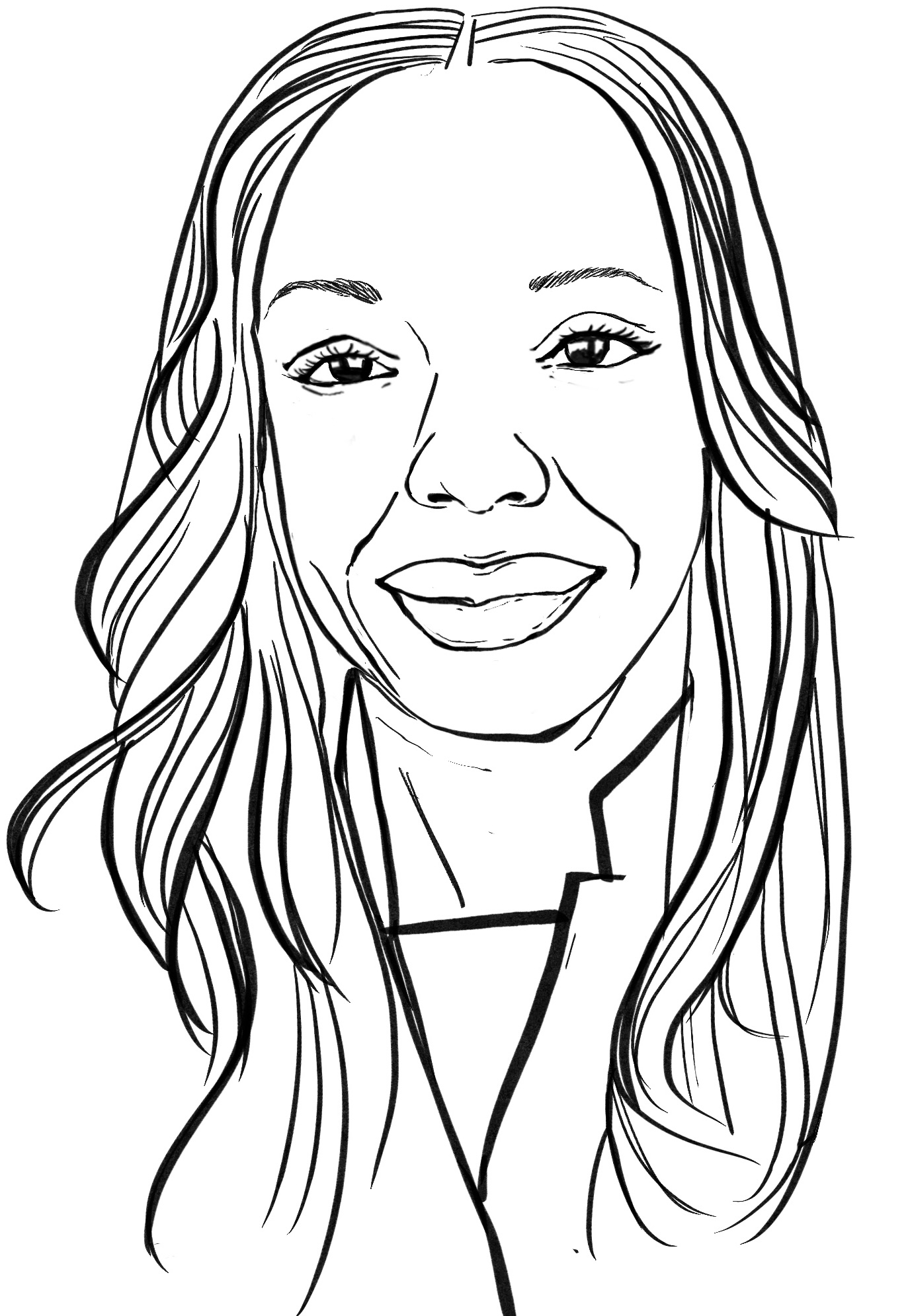
Garg impressed us with her commitment to a proactive approach to artificial intelligence in the classroom. Her emphasis on community stakeholders and building trust in research also appeared admirable. However, the Board would have appreciated deeper discussion and more explicit answers on pressing issues such as diversity policies, open discourse, legacy admissions, and faculty governance. View the transcript →
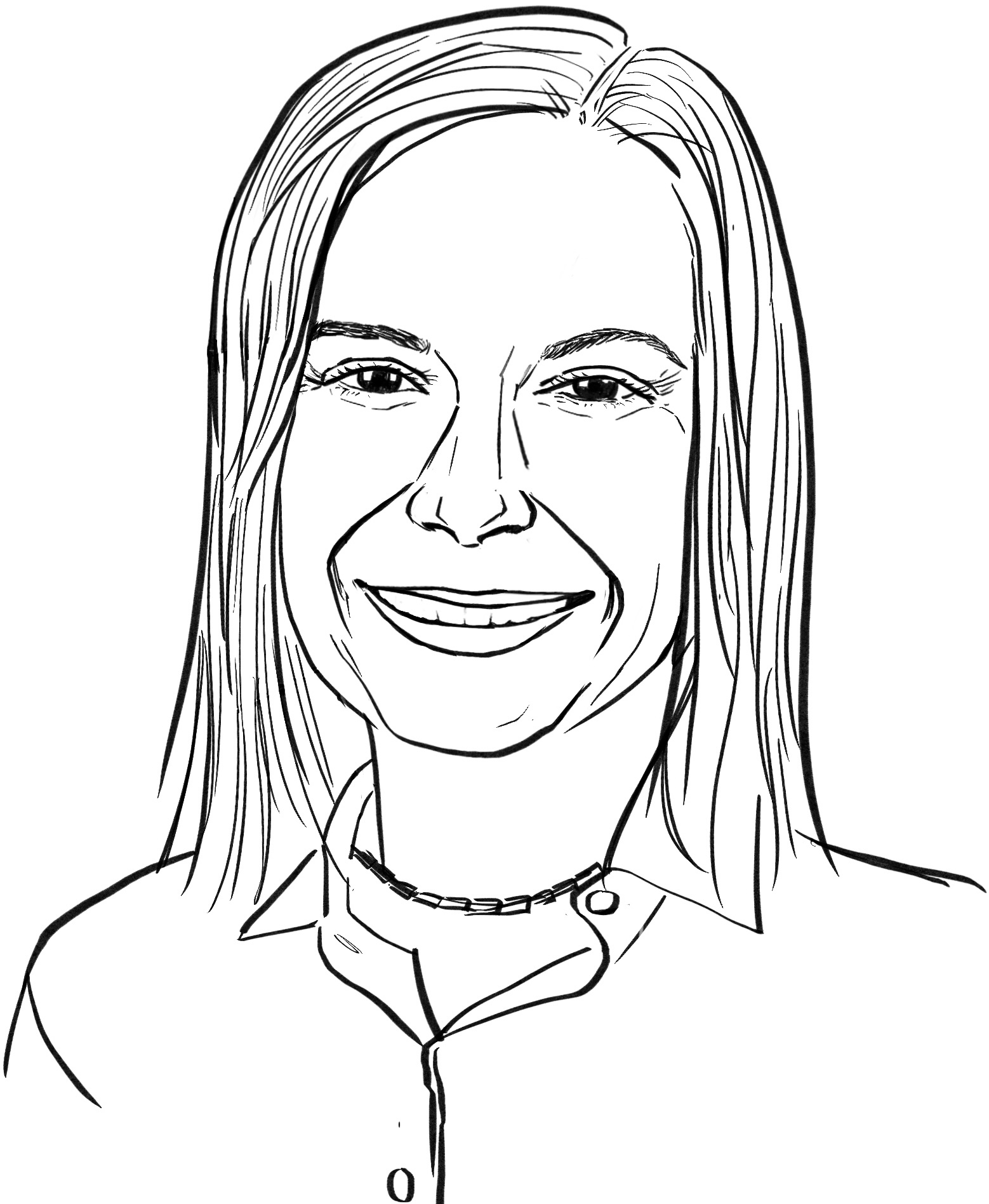
When asked about a potential deal with the Trump administration, Kumar Behringer was highly skeptical that such a deal would protect Harvard’s academic independence — citing deals by Columbia and Brown that enabled government interference. We concur. Yet overall, we were left wanting more from vague, guarded answers to questions of donation policy, respectful dialogue, and the presidential search process. We felt that her approach to matters of Epstein affiliation and campus speech failed to demonstrate sensitivity to academic freedom. View the transcript →