
Eugenics and Gorilla Suits: Harvard’s History Through Objects
Harvard’s collection of scientific instruments used to be a niche gallery for specialists. Post-renovation, the collection is reinventing itself as a public educational resource by highlighting the stories behind its objects.
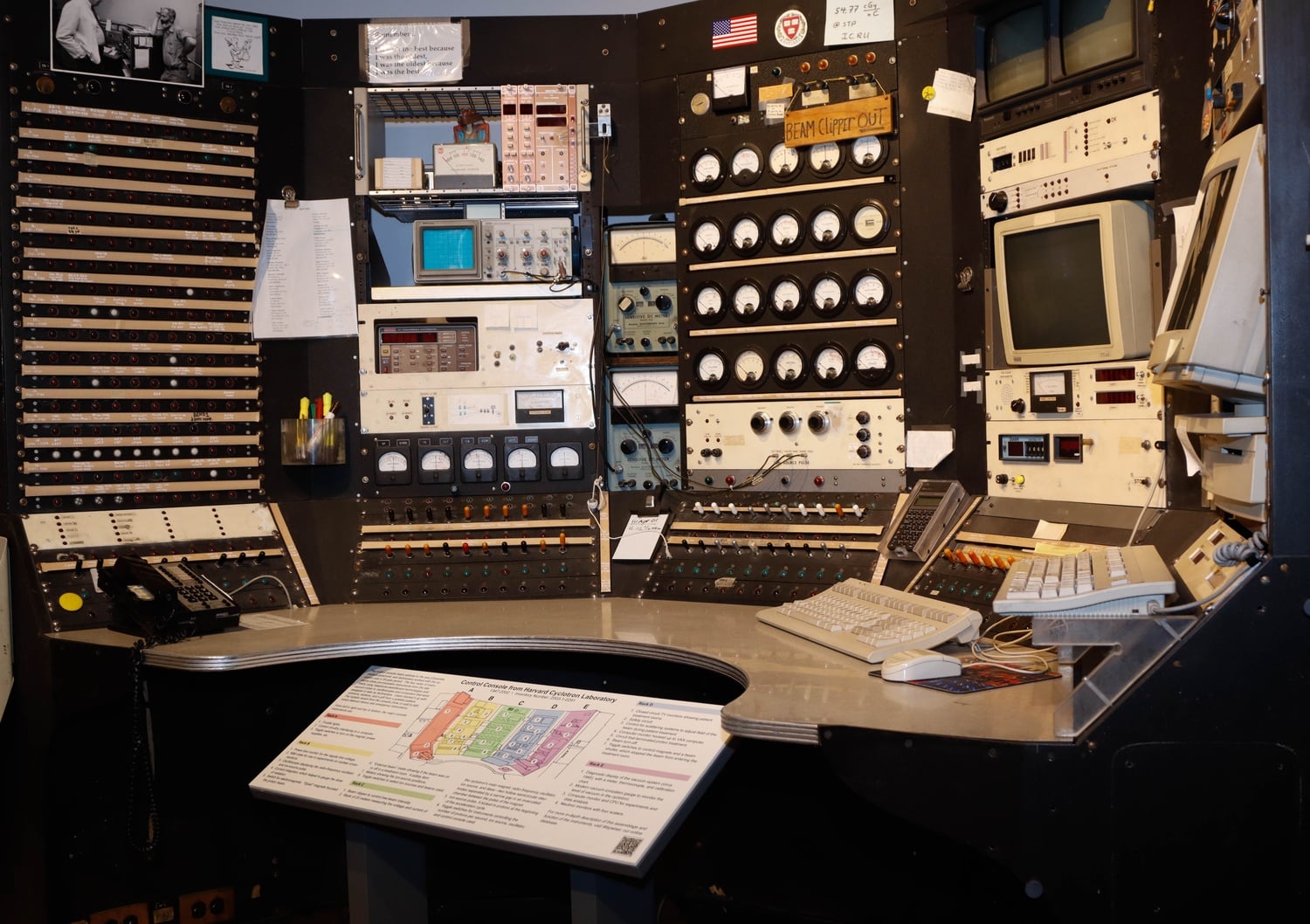
n a tucked-away corner of Zimmer Hall, a set of rooms are filled to the brim with a peculiar assortment of items, from a mounted fish specimen to a Nobel Prize medal. This is Harvard’s Collection of Historical Scientific Instruments, home to more than 20,000 decommissioned research tools, including hundreds of microscopes and the largest collection of sundials in North America.
In August, the collection closed for several weeks of renovations, reopening at the end of September with new explanatory plaques and redesigned displays that thread stories through the exhibition. The changes respond to the needs of the museum’s visitors: although the collection was initially a “science museum for scientists,” Joshua M. Gorman, CHSI’s executive director, says that 70 percent of visitors are tourists who stumble upon CHSI — finding an unlocked door while looking for a bathroom or “a Harvard story.”
To better serve these visitors, CHSI staff are focusing their galleries on accessible storytelling that traces how Harvard’s scientific practices have changed over time, including its role in scientific racism and the history of colonial expansion. Surveying instruments, for instance, reflect the University’s early role in teaching skills that helped prepare the sons of wealthy landowners who were “at the bleeding edge of empire” to map and navigate new territory. The renovated displays place instruments in the context of the research they supported and the people affected by their use.
Last November, staff estimated that visitors spent an average of 11 minutes in the gallery; now, Gorman says, they often stay for over half an hour.
On Oct. 15, the CHSI inaugurated its newest special exhibition, “Measurement on the Color Line.” Bringing together medical instruments, historical documents, and photographs from the 19th century to the present, the exhibition explores how scientific tools and practices have been used to classify people by race and lend authority to racist ideas, including eugenics.
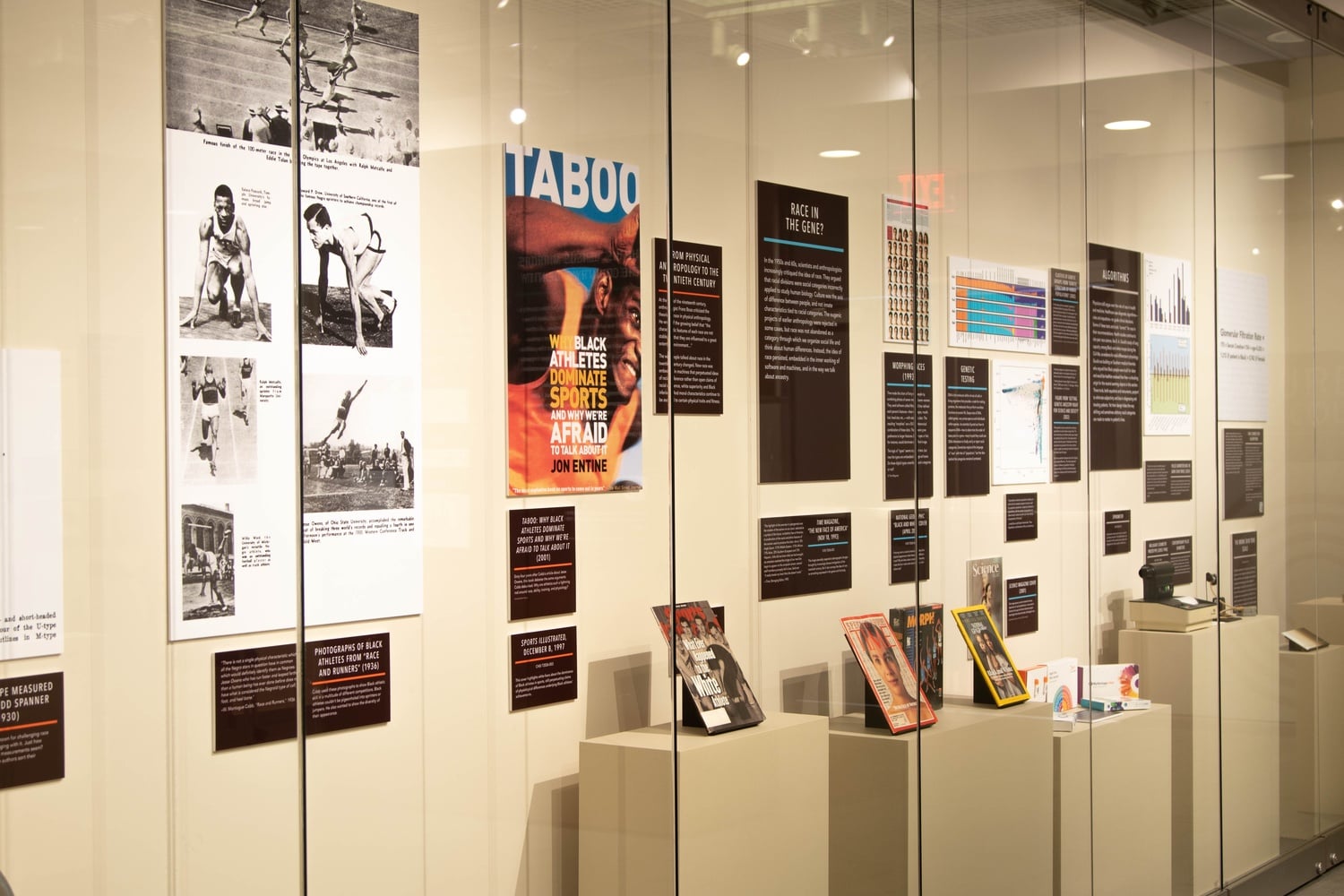
Curated by Evelynn M. Hammonds — former dean of Harvard College and current professor of History of Science and African and African American Studies at Harvard — the exhibition is guided by a question she often asks: “If race is the answer, what was the question?” Gorman says. “What were we actually looking for here?”
To assemble the exhibition, staff acquired instruments that had historically been used to measure human bodies and categorize them by race, including more than 100 anthropometric tools from the Peabody Museum and old gene sequencing equipment from biological laboratories.
Among the many items curated is a multi-colored toy top — an unexpected presence in such an earnest set of historical objects. The toy maker and educator Milton Bradley manufactured “The Pupil’s Color Top” as part of his system for teaching color theory to elementary school students. When mixed, red and green pigments make different shades of brown, depending on their proportions. Students can test this by placing a piece of each color on the spinning top and spinning it. The eye perceives a single blended color.
But the top was later put to a very different use. In 1910, eugenicist Charles Davenport used it to study what he described in his notes as “the color of the skin of descendants of matings between negroes and Caucasians.”
The top’s history illustrates how an object’s significance can change alongside the questions people use it to answer. Before CHSI’s renovation, objects in the permanent exhibition were accompanied by little more than their names. “The idea was that instruments could speak for themselves, which, of course, I regard as an absurd notion,” Gorman says.
Without historical context, Gorman says, CHSI risked telling “a triumphant story of colonial science,” presenting instruments as evidence of Harvard’s scientific progress while obscuring the social, economic, and historical forces surrounding their use.
The new exhibition and the summer renovation are part of a broader shift in CHSI’s mission. According to Gorman, the collection is moving beyond preserving instruments primarily for specialist researchers and toward putting historical objects to work in classrooms and galleries.
“An unused collection is useless,” Gorman says.
As such, CHSI is trying to present itself as a teaching resource for the University. Taking inspiration from Harvard’s art museums and libraries, the staff is building closer ties with First-Year Seminars and inviting professors to incorporate visits into their curricula.
CHSI hopes to contribute to the interdisciplinarity of Harvard. For “Measurement on the Color Line,” staff are reviewing Harvard’s extensive course offerings and reaching out to classes across departments that are talking about race and descendancy, history of medicine, and even contemporary medicine.
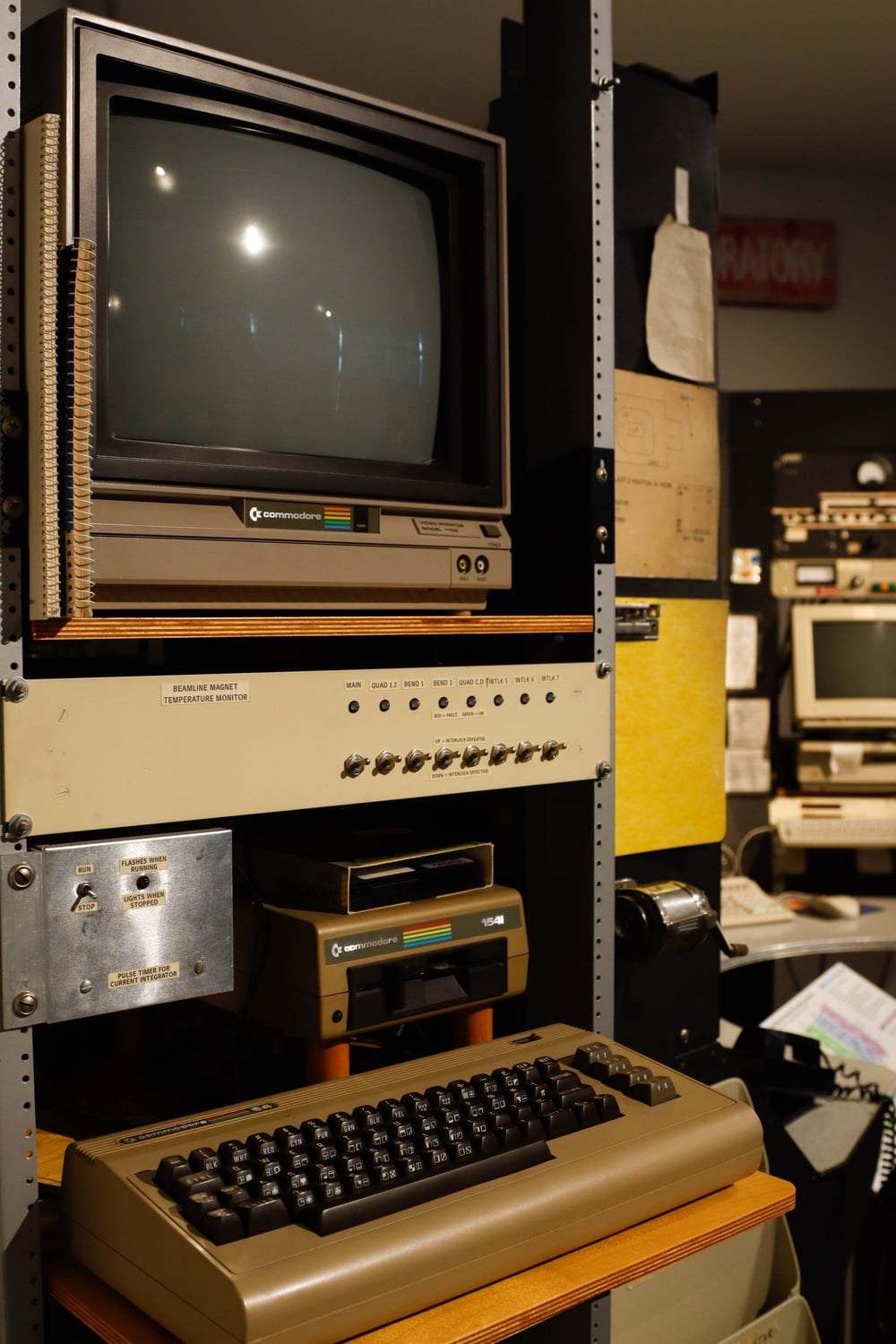
For Gorman, bringing students into the galleries is also about teaching them to look beyond an object’s surface to uncover its significance. Reading an object, he says, requires a different skill set from the literacy typically taught in the classroom. And in an age when so much of the student experience is mediated by screens, he thinks the physical world itself can become easy to overlook: “we have things in our life, but we don’t necessarily have the skills to untangle how they’re made, why they’re made, and how they shape the ways that we use them.” Recently, for instance, the collection hosted a group from the Harvard Graduate School of Design, which looked at CHSI’s surveying instruments to learn about the representation of physical space.
As the collection’s popularity has grown, people around the country have offered their instruments to CHSI, often from cleared-out laboratories when faculty retire or pass away. For example, the permanent exhibition features the microscope that Martin Karplus ’51 — professor emeritus of chemistry and 2013 winner of the Nobel Prize in chemistry — got as a teenager and used throughout high school and college. When he died in 2024, his family contacted CHSI directly to arrange the donation.
CHSI now has an open proposal form for potential donors to fill out. “We need to know, why is it important to the mission of the collection?” Gorman says of any potential acquisition. “Where did it come from? Do you have the legal authority to give this to us?” The form helps staff understand the stories behind their acquisitions. Gorman says they’re thinking of collecting interviews too, as a form of public history.
By doing so, the collection staff hopes to reconfigure who gets seen as holding knowledge about an object.
“The role of curator isn’t to be authority, but to be the collaborator and convener, to reach out to and to work with our brilliant faculty across campus who are absolutely the experts in their area of study,” Gorman says. The CHSI staff’s responsibility, more than expertise, is to understand “why our collections are important and to tell their stories through the objects that we collect.”
That storytelling priority is how the collection ends up with objects like a gorilla suit — which may seem out of place without its backstory. The gorilla suit, which CHSI acquired earlier late last spring, was featured in a famous selective attention test conducted at Harvard’s Department of Psychology in 1999. Participants watch a video in which they are instructed to “count how many times the players wearing white pass the basketball,” followed by a clip of two teams passing a basketball. A person in a gorilla suit walks slowly between the players, stopping in the middle to thump his chest. “But did you see the gorilla?!” the video asks afterward. About half of viewers, intent on counting passes, miss the primate entirely.
History of Science faculty, Gorman says, were more excited about the suit than about any other acquisition CHSI has announced. They hope to display it in the collection’s permanent gallery beginning in April 2028.
Getting it ready for exhibition is a challenge. Gorman calls the suit “kind of a conservation nightmare” because its cheap plastic face has partly melted. But the problem fits CHSI’s new understanding of why objects are significant. In the past, Gorman says, the collection treated instruments as aesthetic objects, polishing a brass quadrant and coating it in lacquer. Now, staff’s interest in teaching and storytelling means their conservation work is more focused on stabilizing damage and stopping active corrosion of an object than “polishing and brightening it up.”
“These objects have lives,” Gorman says. The goal, he says, is to preserve “as much of that entire spectrum of the life of an object as we can.”
—Magazine writer Maria Borrell Ferrero can be reached at [email protected].