
Scooting in Circles
Scooters were not always villains.
he scooters you and I know are instruments of metal hardware, breakneck speeds, and raw efficiency. Their athlete pilots threaten disaster to every Cambridge pedestrian they zoom past — the Grim Reaper personified in a motorized vehicle. But scooters were not always villains; to me, they used to be sunshine, speed, and freedom.
My first scooter was bright lime green. Its bold hue shone through a layer of dust and dings, testaments to my older sister’s past dedicated use of the vehicle. In those days, it seemed everything I owned was a reluctant hand-me-down. This trusty scooter, though, was one item I was eager to inherit, a treasure among heaps of worn T-shirts and warped headbands.
“Micro” — the brand of the scooter — was inscribed along its solid plastic base and metal steering column, and the handlebars were encased in a soft rubber that had worn down to the metal core along where my little hands gripped tightest. The Micro’s main column was a pain to detach, making storage its only real drawback. As a result, my hallway closet became a jungle of precariously stacked scooter parts, some of which would fall and strike unsuspecting visitors — the price of devotion.
My Micro sported three wheels (balancing can be hard!) and a plastic brake that made a grating, screeching noise when I tested it on Central Park’s steeper downhills. Speed, children have universally decided, is the key to social relevance. I understood this rule earlier than most, and quickly grew familiar with the sound of my brakes as I abruptly jammed my heel down to avoid oncoming traffic.
My family was full of scooter-devotees. My dad’s scooter was the king of the bunch: black with silver grips, a low base that allowed for easy foot-to-ground connection, and a hand brake that squealed when pushed too quickly. A recent Google search valued my dad’s scooter — a Xootr — at $400, and it was worth every penny. My sister’s scooter boasted a bright blue base and had a pleasant bounciness suitable for bumpy gravel roads. It matched my mom’s Kermit-green scooter to a T, and together they zoomed along in a turquoise blur. My little brother, meanwhile, remained steadfast with his three-wheeled Micro long after he should have upgraded. Together, we traversed Manhattan as one vibrant flock.

cooters were invented — as all purely wonderful things are — by bored children. Kids, tired of kicking cans and skipping stones, connected a set of old roller blade wheels to a discarded wooden plank and makeshift handlebars — et voila! A treasure. Wooden scraps thumped loudly against the repurposed wheels as they rode around town, declaring their presence with a bang.
As it turns out, the kids were onto something. By 1915, the Autoped Company invented the first motorized stand-up scooter. The design is familiar — a two-wheeled contraption guided by a movable handlebar with a wide base comfortable for standing — but this iteration was a gas-powered machine. Men and women alike would commute by scooter, their business attire comically incongruent with the mechanical practicality of their chosen rides. Dressed to the nines in crisp cotton button-ups, fedoras, high-necked blouses, and A-line skirts, workers glided down the street, their overcoats billowing behind them.
The name “Autoped,” which literally means “self foot,” is apt given the independence the machine offered. One of the earliest scooter advertisements pronounced it “the motor vehicle of the millions,” and so it was. Women embraced scooters as a convenient form of transportation, cheaper than cars and much easier to use. It was revolutionary in its ease of connection: army bases streamlined operations, mailmen rode along paper routes, and organized crime groups staged getaways with the help of the Autoped.
Despite their initial success, Autoped’s sales plummeted in post-WWI America. By 1921, financial struggles shuttered scooter production as bicycles and motorcycles took over the micromobility market.
It was not until 1998 that scooters made a comeback. Swiss tinkerer Wim Ouboter, motivated by the onerous mile that lay between him and his favorite bratwurst shop, decided to invent the ideal vehicle for his sausage commute. The design took on a familiar blueprint, brought back after years of disuse: the scooter. Ouboter’s personal twist involved a foldable aluminum column-base piece with inline skate wheels. After taking Europe by storm, Ouboter’s product was purchased by JD Corp and christened with a name now synonymous with American childhood: the “Razor.”
y second scooter was a silver Razor. Another hand-me-down, this red-accented blade had a narrow, two-wheeled silhouette — by now, I could balance. True to its name, the base of my Razor was razor-sharp, and would leave my ankles purple and stinging. What my Razor lacked in comfort, though, it made up for in sheer velocity: in early winters, I wove through the city’s masses, my eyes shining bright and my scooter glittering in the cold morning sun. I was invincible.
As one might expect, a child who believes themself invincible is probably the least invincible of all. I got into my fair share of scrapes, tumbling over handlebars and earning gnarly cuts on my knees and elbows. Each time, I cried to my mom, and each time she asked me: “Are you crying because it hurts or crying because that was scary?” I responded with indignation: “Both!” — how could I choose only one? Before long, though, I was back on two wheels, where I belonged.
While my friends wobbled aimlessly on bikes, trikes, and roller blades, I remained loyal to my trusty scooter. Eventually, though, my ankles became too beat up to persevere on the old Razor, which itself was worse for wear: its foam handles had half fallen off and its wheels were caked with grime. So it came time for me to buy something brand new and completely my own: a High Bounce Urban 7xl Deluxe. Blue, black, and silver, my proud purchase folded neatly in half, and even sported a small kick stand hidden beneath its sleek base.
I still have that scooter, its battered condition a testament to my dedication: lovingly scratched and dented, complete with a jammed clasp that no longer adjusts the handlebar height. Now, though, it sits in the back of my closet at home, buried beneath a heap of dusty gym weights, yoga mats, and planting supplies. I seem to have outgrown my need for scooters.
Maybe I’m too busy now, no colorful slots in my Google Calendar available for idle afternoons spent practicing scooter party tricks. Or maybe my independence has gotten in the way, my reliance on subway lines and bus routes superseding my need for a two-wheeled ride. Or maybe the scooters I once knew, full of whimsy and delight, don’t have a place in my serious, grown-up life. The beauty of scooters, once so replete in its strong aluminum, delicious speed, and utter freedom, is now faded.
s my own scooters evolved in utility and design, scooters in general also transformed, reacting in part to the micromobility craze sweeping the nation. Everyone, it seemed, wanted a way to reach their destinations in the most innovative — and simultaneously ridiculous — way possible. Hoverboards and Segways saturated the market, and streets were chock-full of commuters tripping over themselves as they leaned to and fro on their frivolous machines.
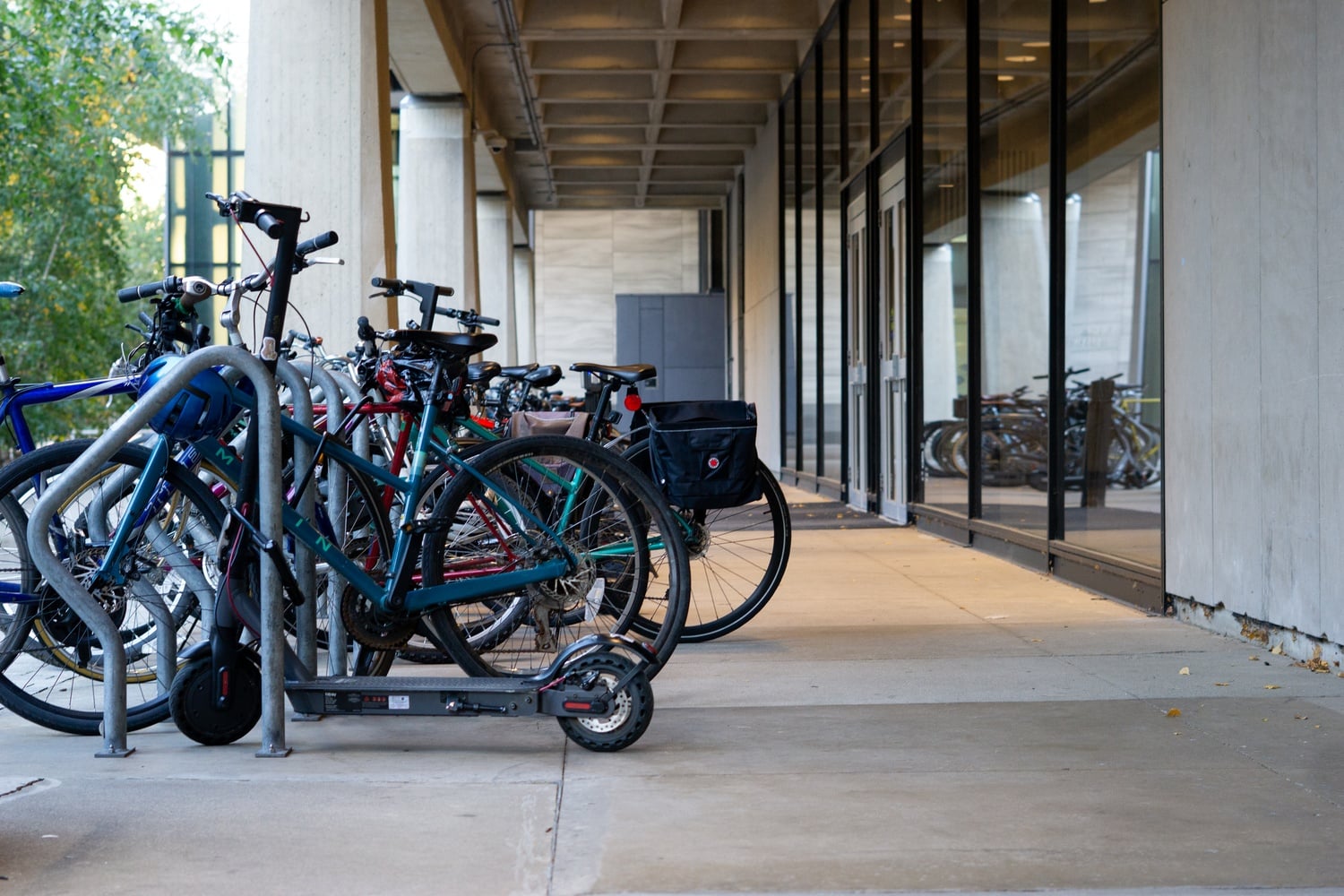
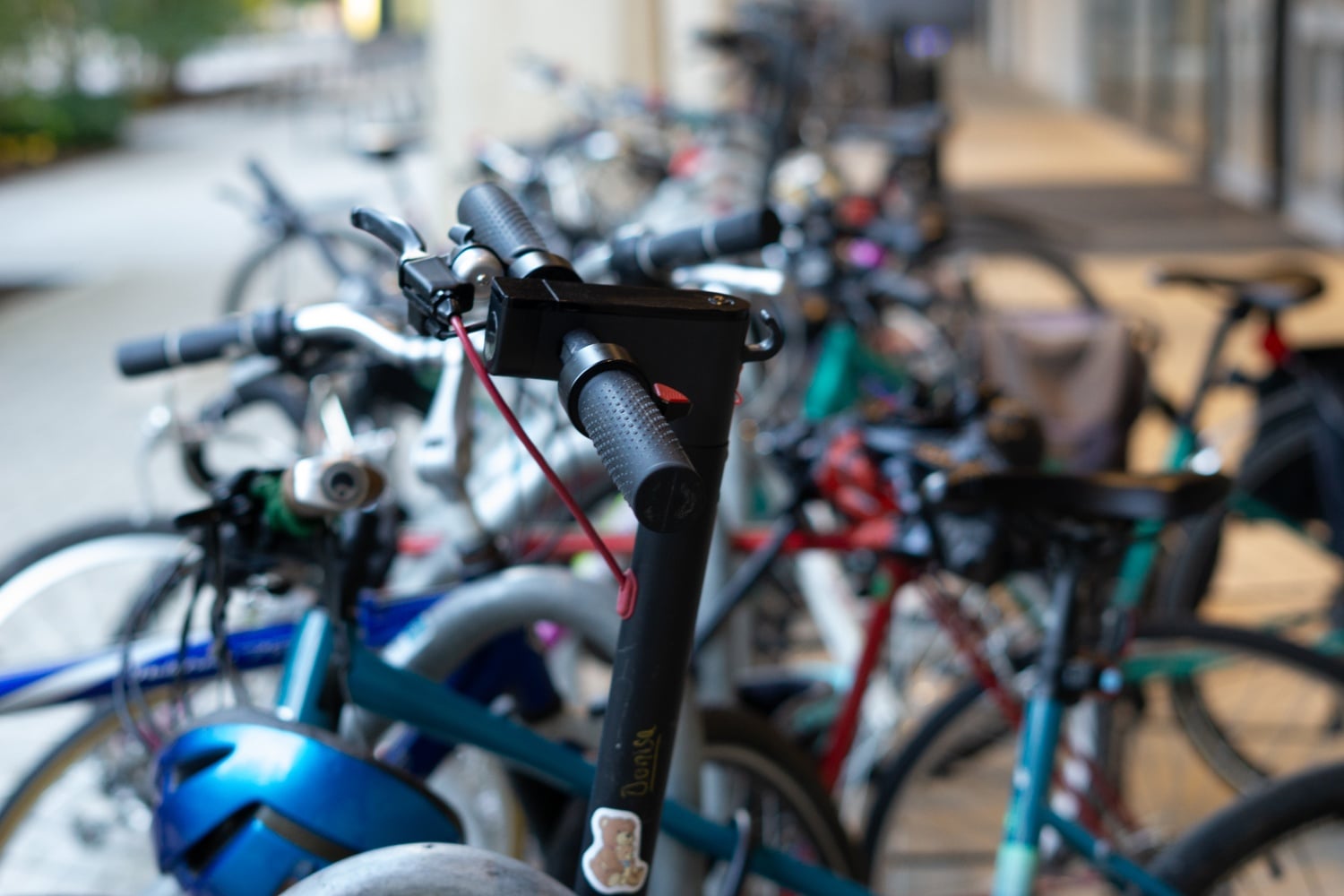
To maintain a competitive edge in the ever-optimizing world of commuting, scooters became electric. These new beasts promoted a brutalist aesthetic, built out of black aluminum alloys and powered by hub motors housed in the front wheels. By the late 2010s, electric scooters were a common sight at city docks as they were embraced by rideshare companies to be the next big commuter fad.
Somewhere along the way, scooters became villains. When I asked my family about their memories of scooters, the results were depressing; my mom sent me a multi-paragraph AI-summary on deadly scooter incidents dating back to 2024, while my dad complained about the e-scooters that dangerously overtake him on his bike ride to work. No longer scooter-devotees, they have become scooter-cynics.
Today, every scooter I see is electric. On college campuses across the nation, scooters deliver riders from point A to B, and the students steering them stare passively at their phones or — if we pedestrians are lucky — the traffic ahead. Harvard athletes embrace this threatening image, cutting a frightening figure as they zoom along on charcoal black Batmobile-style scooters.
The scooters of my memory are gentler, as simple as human energy and the easy push of a foot off the ground. A kick, a graceful movement as leg cuts through air, a rush of wind, and then a return. The story of scooters is, after all, one of cycles: a rise and fall, a surge and decline, a kick and release. The cycle will continue. Until then, I await the return of the scooters of yesteryear.