Science News
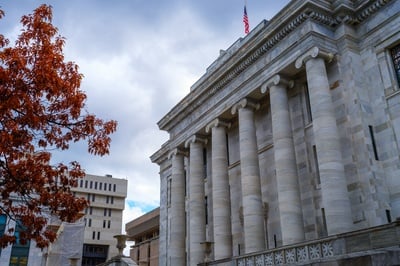
Harvard Medical School Study Reveals How Cells Respond to Viral Infections
A new Harvard Medical School study uncovered a mechanism that cells use to rapidly respond to certain viral infections, a finding that researchers say could eventually improve vaccines and gene therapies.
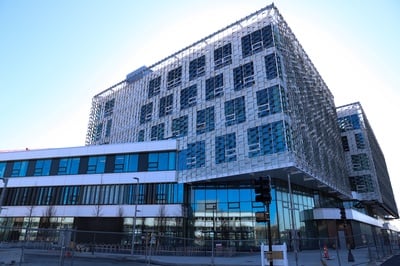
Harvard Students Turn to Entrepreneurship As University Moves to Keep Pace
Entrepreneurship is drawing increasing interest among Harvard students, driven by rising technology salaries and national shifts in the startup economy — though some investors and alumni say the University’s support for founders still lags behind peer institutions.
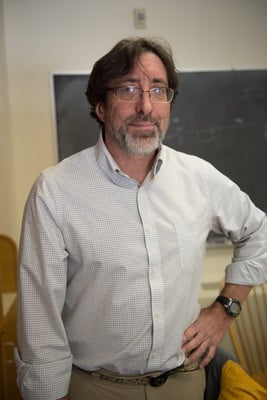
Harvard Physics Professor John Huth Wins U.S. ATLAS Lifetime Achievement Award
Harvard Physics professor John Huth was awarded the 2025 Lifetime Achievement Award by ATLAS, a group of American particle physicists.
Harvard Researchers Design Algorithm to Improve Wearable Robot for Stroke, ALS Patients
Harvard researchers created an algorithm that allows a wearable robot to adapt to and assist the arm movements of stroke and Lou Gehrig’s disease patients in real-time.
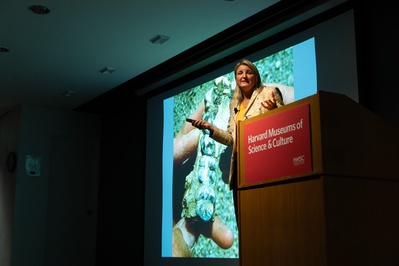
Paleoanthropologist Louise Leakey Talks Turkana Basin Discoveries at Peabody Museum
Paleoanthropologist Louise Leakey, the granddaughter of Mary and Louis Leakey, who first determined that early humans evolved in Africa, presented a history of her family’s research in north Kenya at the Peabody Museum on Thursday.
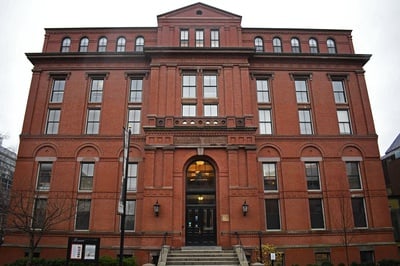
Human Evolutionary Biology Concentration Will Be Renamed This Summer
Harvard Faculty of Arts and Sciences has officially voted to change the name of the Human Evolutionary Biology concentration during a meeting on April 1. Effective as of July 1, 2025 — when the academic year rolls over — the concentration will now be known as Human Biology, Behavior, and Evolution.
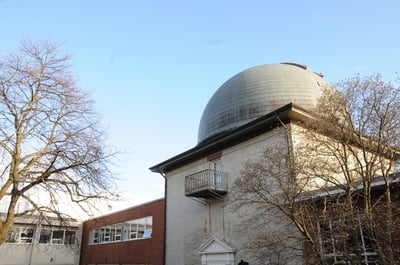
Researchers Discover Supermassive Black Hole in Neighboring Galaxy
A team of Harvard astrophysicists discovered a supermassive black hole at the center of the Large Magellanic Cloud, the Milky Way’s closest galactic neighbor.
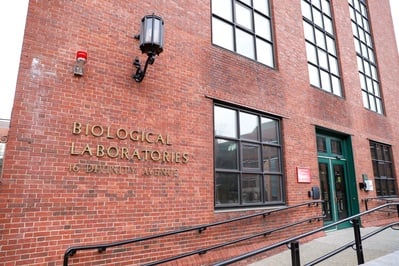
Harvard Study Identifies Socializing as a ‘Survival Need’ in Mice
Researchers in the Molecular and Cellular Biology Department published a study last week that found a brain drive for social interactions in mice, similar in neural organization to drives for hunger and thirst.
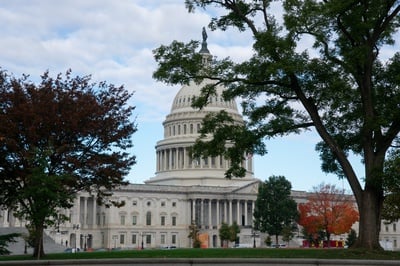
Senate Committee Targets $3 Million in Harvard NSF Research Grants for ‘Far-Left Ideology’
A Senate Commerce Committee report released last week labeled more than $3 million in federal grants to Harvard researchers as advancing DEI initiatives or “neo-Marxist class warfare propaganda."
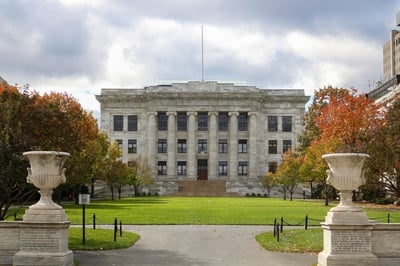
HMS Study Sheds Light on Link Between Heart Condition and Cancer Treatment
A new study out of Harvard Medical School is opening the door for cancer patients with a rare but dangerous heart condition to continue immunotherapy treatment for the first time.
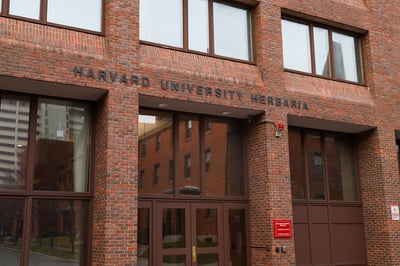
Harvard, UMiami Researchers Debunk Ecuador Mass Extinction Event in New Study
Scientists debunked a widely accepted mass extinction of 90 plant species in Ecuador’s Centinela cloud forests in the 1980s, per an October research paper published in Nature Plants.
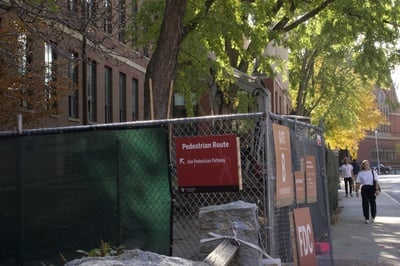
Harvard Chemistry Lab Complex Undergoing Electrical, Drainage Renovations
Harvard is currently renovating its nearly 100-year-old Chemistry laboratory complex to address the facilities’ “aging electrical infrastructure and deficient stormwater system.”
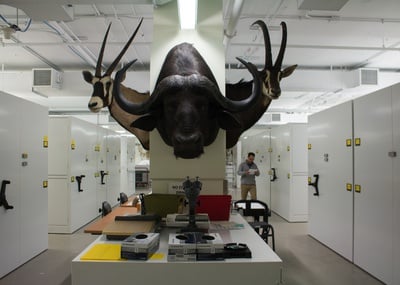
Harvard Researchers Classify Microorganism Species, Tardigrade
Harvard researchers recently identified a new fossilized species of tardigrade, a discovery that lends crucial insights into the microscopic organism’s evolutionary history and its unique resilience.
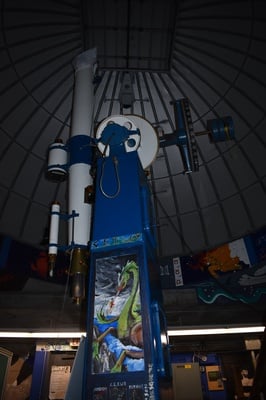
‘Share the Universe’: Harvard Astronomy Club Holds Rare Comet Viewing
Dozens of students gathered at Harvard’s Loomis-Michael Observatory on Thursday and Friday for a rare viewing of Comet Tsuchinshan-ATLAS, a “naked-eye visible comet” that researchers say is unlikely to return for at least 80,000 years.
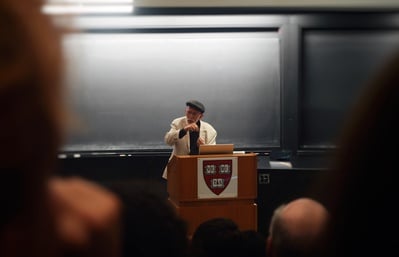
Kip Thorne, 2017 Nobel Laureate, Talks Black Holes During Inaugural Hawking Lecture
Hundreds packed Science Center Hall B to watch Kip S. Thorne, a professor of theoretical physics at Caltech and a 2017 Nobel Prize laureate, discuss black holes and wormholes during the inaugural Hawking Lecture on Friday.
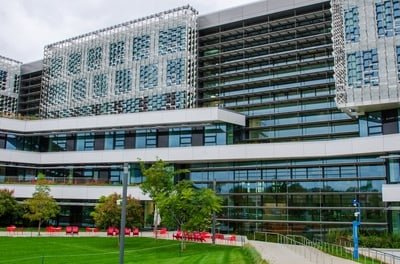
Cerebellum Only Necessary for Some Muscle Memory, Harvard Researchers Find
In an August study, researchers at the Harvard School of Engineering and Applied Sciences discovered a new distinction between long and short-term motor memories — a class of memories developed through repeated physical movements.
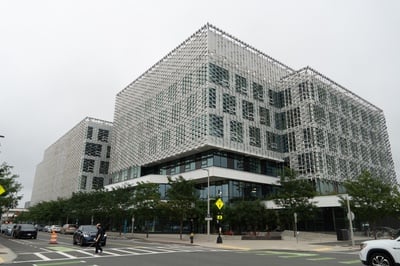
Researchers at Harvard SEAS Engineer ‘New Class of Fluids’
A group of researchers at Harvard’s School of Engineering and Applied Sciences engineered metafluids – the first of a “new class of fluids” — which bring a number of intriguing properties, such as tunable compressibility, changeable optical properties, and the ability to be programmed to handle a variety of loads.
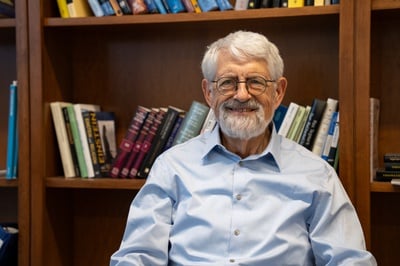
‘Closure of a Circle’: Harvard Professor Haim Sompolinsky Wins Brain Prize for Neuroscience Research
Harvard professor Haim Sompolinsky was named a 2024 recipient of the Brain Prize — the world’s most prestigious honor for neuroscience research — by the Lundbeck Foundation on March 5.
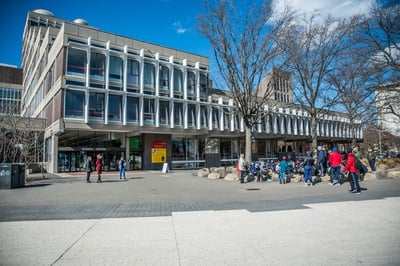
Harvard Study Finds ExxonMobil Scientists Accurately Predicted Climate Change, Despite Denial
A Harvard-led team of researchers found in a study published earlier this month that internal ExxonMobil projections accurately predicted human-caused climate change even as the company downplayed its risks in public statements.
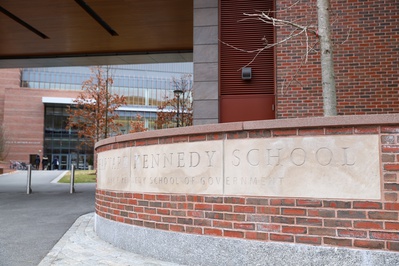
Arundhati Roy Talks Indian Politics, Development in Keynote at HKS Science, Technology, and the Human Future Symposium
Indian author Arundhati Roy, who wrote “The God of Small Things,” spoke about the political and social effects of India’s development in her keynote lecture Thursday for a symposium hosted by the Harvard Kennedy School.
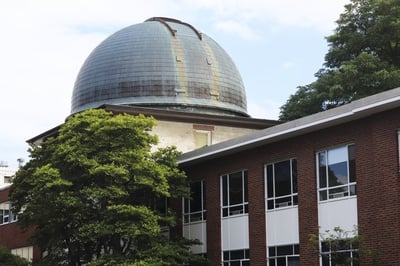
Harvard Astrophysicists Confirm Existing Theories of Composition, Expansion of the Universe
Researchers at the Harvard-Smithsonian Center for Astrophysics found that dark energy makes up two-thirds of the universe, according to a study published in a special issue of The Astrophysical Journal last month.
Harvard Astrophysicists Discover Black Hole With Delayed Stellar Burp
In October 2018, Sebastian Gomez, then a Harvard PhD student, observed a black hole tear apart and engulf a small star in a galaxy located 665 million light years away from Earth. Almost three years later, he and a team of researchers noticed that the same black hole had begun ejecting stellar material.
Harvard Researchers Debunk Popular Sleep Myths in New Study
A Harvard-led team of researchers debunked popular myths parents and caregivers believe about adolescent sleep habits in a study published last month.
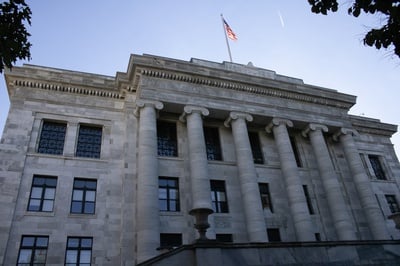
Harvard Medical School Professor Frederick W. Alt to be Awarded One of Germany’s Highest Medical Honors
Harvard Medical School professor Frederick W. Alt will be awarded the 2023 Paul Ehrlich and Ludwig Darmstaedter Prize, one of Germany’s highest medical honors, at an award ceremony held at St. Paul’s Church in Frankfurt, Germany next March.
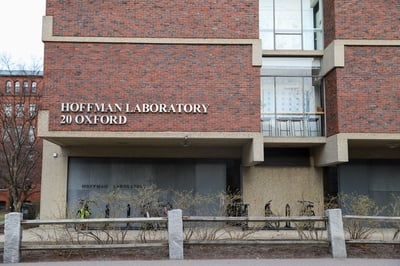
Harvard Researchers Identify First Ever Proof of Sea Level Fingerprints
A new study conducted by Harvard researchers appears to have detected the first-ever proof of changes in ocean levels due to glacial melting, known as sea level fingerprints.
Most Read Articles
- 2
- 3
- 4
- 5
OUR LATEST PRINT EDITION
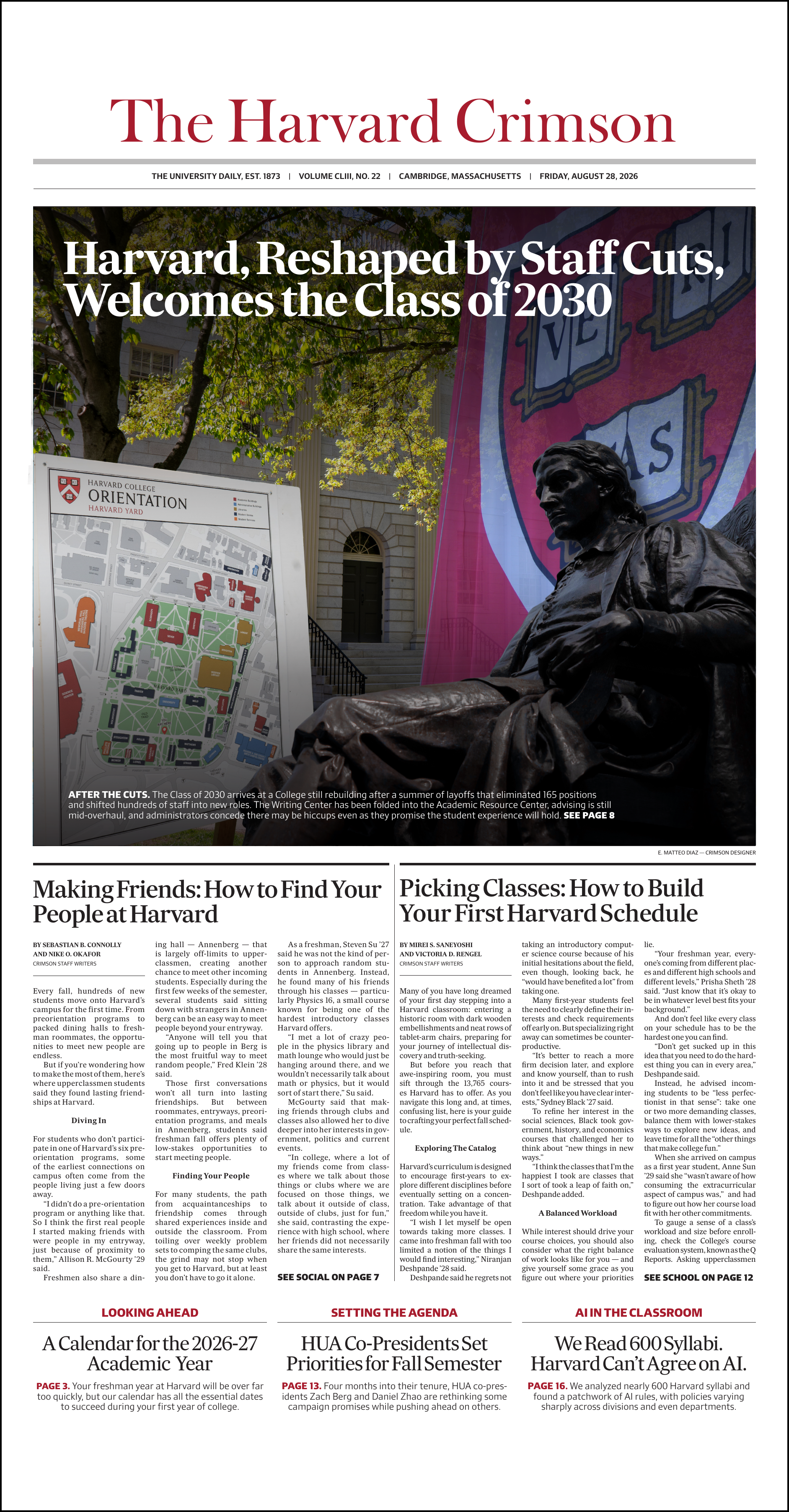
Fresh off the press every Friday, with special issues throughout the year. Want a copy? Find one near you. Want it delivered to your doorstep? Sign up.
The Harvard Crimson
Original reporting and exclusive scoops from Harvard and Cambridge — delivered straight to your inbox. Subscribe today.