FIFTEEN MINUTES
Volume XXXVII, Issue VIII

Democratic Socialists and The City on a Hill
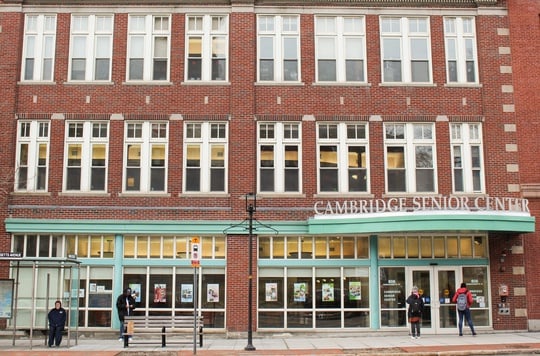
It costs $2 to join the Democratic Socialists of America. In Boston, the organization and its rapidly growing membership are still trying to define their movement.
Editor's Note
Dear Reader, Sometimes, organically, unintentionally, a theme emerges from within a collection of stories. This week, we’d argue that theme is music. It is with melodies in our hearts that we publish WJM’s scrutiny of the Boston Democratic Socialists of America. Taking on a cover story solo as a freshman is no small feat, and this reporter did so with not only confidence but true gusto. His sourcing went above and beyond: he joined DSA members for long, cold afternoons knocking doors in Riverside, attended multiple rallies and protests, and met socialists in jargon-filled discussion groups. The result is a testament to the power of a writer embedding oneself in their subject matter. Accessible to a reader with no background in the subject, the article draws out the nuanced tensions within the DSA movement through colorful storytelling. You’ll leave with new clarity on the recent prominence of socialism — and with “We’re Not Gonna Take It” stuck in your head. Next in this issue comes two stories that are actually about music. AWS’s second column installment insightfully imagines the philosophical implications of an AI-generated replica of eminent jazz musician Bill Evans. Meanwhile, HCC and VLD check in on the state of greater Boston’s jazz scene with an insightful visit to the POSTunderground. In AS’s Fifteen Questions with the enthusiastic Michael McCormick, one could argue that the interviewee comes close as one might come to embodying jazz hands. Similarly, if ASHA’s and SG’s inquiries aren’t about music themselves, they certainly demonstrate lyrical qualities. Take note of “MAHA’s Milk and Other Melodramas”’s musicality, writing with rhythm and feeling that enhance the story far above the notes on the page. And “We’re All Chinamaxxing” is a masterclass in carrying the audience through a chord progression that eventually resolves, but in a poignantly unsatisfying way. Finally, in this issue’s endpaper, MK returns to music itself — reminding us in part of the marvelous effects that beautiful art can have through the story of her first non-bedroom cry. (Hint: it’s while watching a musical.) Evidently, we can’t sing the praises of this issue enough. We’re sure you’ll be singing along as you read. MagLove, KJK & AJBS

Inside Out
My clothes had just recovered from being drenched in water from the heavens when the protagonists of Tony Award-winning musical “The Outsiders” ran into a burning cathedral and all the water in my body started leaking out of my eyes.

The Universal(ly Replicable) Mind of Bill Evans
The notion that one could make a generative AI model that sounds like Bill Evans, that an act of such unique human creativity might be automized, is unnerving. To make an AI music generator “play like Bill Evans” is actually a rather strange thing to say, because how exactly does Bill Evans play?

No Cover, No Minimum
“Welcome to the POSTunderground, where it’s always 3 a.m.,” says John Purcell into the mic. “We believe that music is a human right.”

MAHA’s Milk and Other Melodramas
From gold toilets and red hats to Versailles-adjacent ballrooms, MAGA is recognizable as much through its imagery as through its politics. And for MAHA, one symbol rises above all others: whole milk.

We’re All Chinamaxxing
Sometimes the mask feels like it fits, and other times it doesn’t.

Fifteen Questions: Michael McCormick on the Joys of Curiosity
The medieval history professor sat down with Fifteen Minutes to discuss the marvels of archaeology, history, and the Roman Empire.
Inside Out
My clothes had just recovered from being drenched in water from the heavens when the protagonists of Tony Award-winning musical “The Outsiders” ran into a burning cathedral and all the water in my body started leaking out of my eyes.
The Universal(ly Replicable) Mind of Bill Evans
The notion that one could make a generative AI model that sounds like Bill Evans, that an act of such unique human creativity might be automized, is unnerving. To make an AI music generator “play like Bill Evans” is actually a rather strange thing to say, because how exactly does Bill Evans play?
No Cover, No Minimum
“Welcome to the POSTunderground, where it’s always 3 a.m.,” says John Purcell into the mic. “We believe that music is a human right.”
MAHA’s Milk and Other Melodramas
From gold toilets and red hats to Versailles-adjacent ballrooms, MAGA is recognizable as much through its imagery as through its politics. And for MAHA, one symbol rises above all others: whole milk.
We’re All Chinamaxxing
Sometimes the mask feels like it fits, and other times it doesn’t.
Fifteen Questions: Michael McCormick on the Joys of Curiosity
The medieval history professor sat down with Fifteen Minutes to discuss the marvels of archaeology, history, and the Roman Empire.