FIFTEEN MINUTES
Volume XXXII, Issue I
Voices in the Wilderness
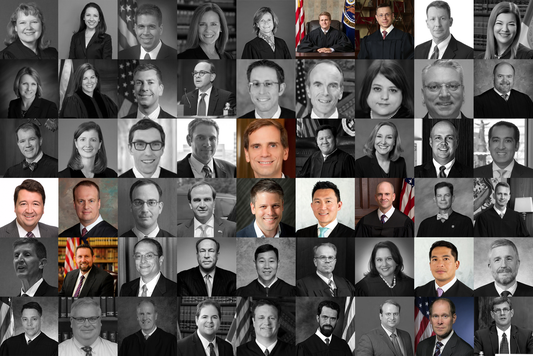
Before Donald Trump lost the 2020 election, the Federalist Society used his presidency to attain new peaks of power and influence over the American legal system. Though Trump’s term has ended, the conservative legal network’s youngest members at Harvard Law School, the center of a battle that fueled the Society’s rise, stand to reap great fruit from this pact.
Editor's Note
Dear Reader, Welcome to the new regime! We’re thrilled to have you. We promise sparkling new content and intrepid reporting; we continue to hope and pray for an issues tab on our website, just as our forebearers did. And we are quite excited about this first issue. We’ve got FYH diving deep into the phenomenon of ‘ghost kitchens’ as a possible salve for the restaurant industry’s pandemic struggles. CHG gets the scoop on Professor Ed Glaeser’s predictions for post-pandemic cities — while also highlighting some excellent bowties. The future of love lies in TCK’s hands as she investigates the Aphrodite Project, an algorithm-based matching service for local college kids. DCB looked into Active Minds, a new mental health group filling the gap left by the temporary disbandment of peer mental health groups. The cancellation of a popular introductory Education course prompted some questions, and SSL and FJB provide some complex answers. In the inaugural article of our ‘Inquiry’ content category — a new space to provide culture commentary — GRO explores a rift over ‘Blue Lives Matter’ flags in her hometown of Weymouth, Mass. And in his Endpaper this week, SDC poignantly details the realities of grieving during the pandemic. At the heart of this week’s issue is the story of how the Federalist Society, born out of Harvard Law School in the 1980s, grew to transform the conservative landscape of American politics. MKT digs deep into the crucible of the group — a rejection of the popularity of leftist ‘Critical Legal Studies’ at the time — and how the group’s rhetoric of persecution has taken lingered in the decades since. We hope you enjoy our very first issue as much as we did. With love, OGO & MNW
The Ghosts of Restaurants Past, Present, and Post-Pandemic
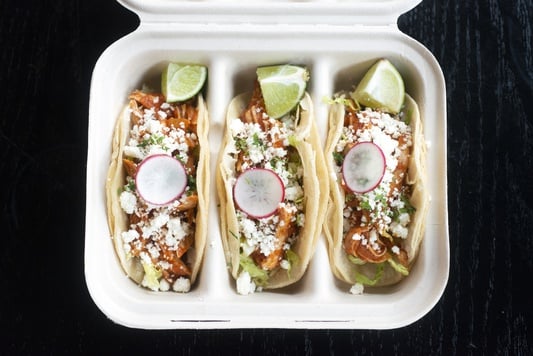
As the traditional brick-and-mortar-based model collapsed due to the pandemic, restaurants pivoted online, sparking a wave of attractive, easy-to-launch “ghost restaurants” vying for sales and survival.
The Heart of Education
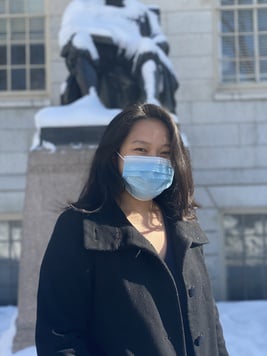
“Undoubtedly — I can't say this in stronger terms — this course would have met the highest level of Gen Ed committee evaluation,” he says. “There are other courses that were nowhere near this threshold of quality that you could cut for funding reasons. This is not the one to go.”
Kitchen Table
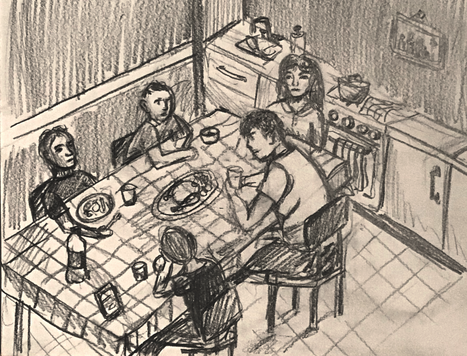
Exhales, but not his own, even and mechanical, as if from inside a spacesuit as he hurdled alone through the vast expanse of black. Sedated. Intubated. Alone. Only the beeping intervals of his heart monitor for company.
Love at First Match
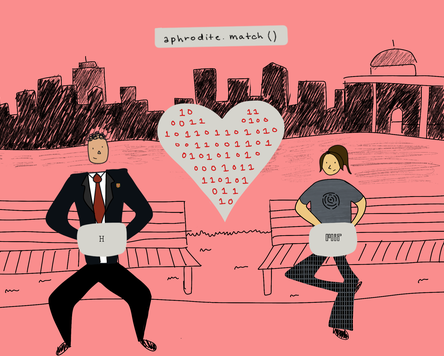
Can an algorithm designed by college students help you find the one?
A Town Divided
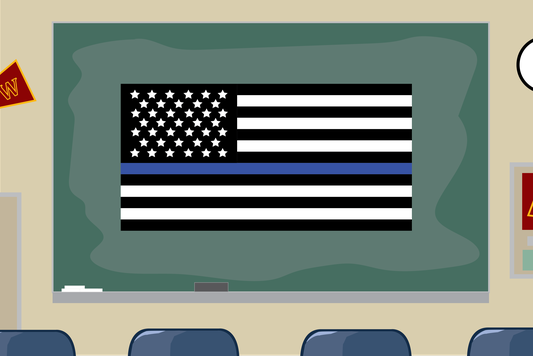
In the last few weeks, two petitions have been circulating through Weymouth: one to take down the high school’s Blue Lives Matter flags, and the other to keep them up.
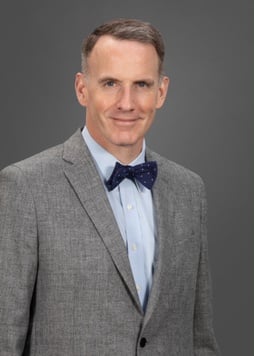
Will Cities Survive the Pandemic?
A conversation with Economics professor Edward L. Glaeser on the future of American cities.
Active Minds Opens New Chapter at Harvard
Alton and Wang brought a chapter of Active Minds to Harvard to address students' mental health concerns during the pandemic and to fill the role left behind by Harvard's temporarily unavailable peer health education groups.
The Ghosts of Restaurants Past, Present, and Post-Pandemic
As the traditional brick-and-mortar-based model collapsed due to the pandemic, restaurants pivoted online, sparking a wave of attractive, easy-to-launch “ghost restaurants” vying for sales and survival.
The Heart of Education
“Undoubtedly — I can't say this in stronger terms — this course would have met the highest level of Gen Ed committee evaluation,” he says. “There are other courses that were nowhere near this threshold of quality that you could cut for funding reasons. This is not the one to go.”
Kitchen Table
Exhales, but not his own, even and mechanical, as if from inside a spacesuit as he hurdled alone through the vast expanse of black. Sedated. Intubated. Alone. Only the beeping intervals of his heart monitor for company.
Love at First Match
Can an algorithm designed by college students help you find the one?
A Town Divided
In the last few weeks, two petitions have been circulating through Weymouth: one to take down the high school’s Blue Lives Matter flags, and the other to keep them up.
Will Cities Survive the Pandemic?
A conversation with Economics professor Edward L. Glaeser on the future of American cities.
Active Minds Opens New Chapter at Harvard
Alton and Wang brought a chapter of Active Minds to Harvard to address students' mental health concerns during the pandemic and to fill the role left behind by Harvard's temporarily unavailable peer health education groups.