Cambridge Science and Civics MCAS Scores Exceed State Average, But Racial and Income Gaps Remain
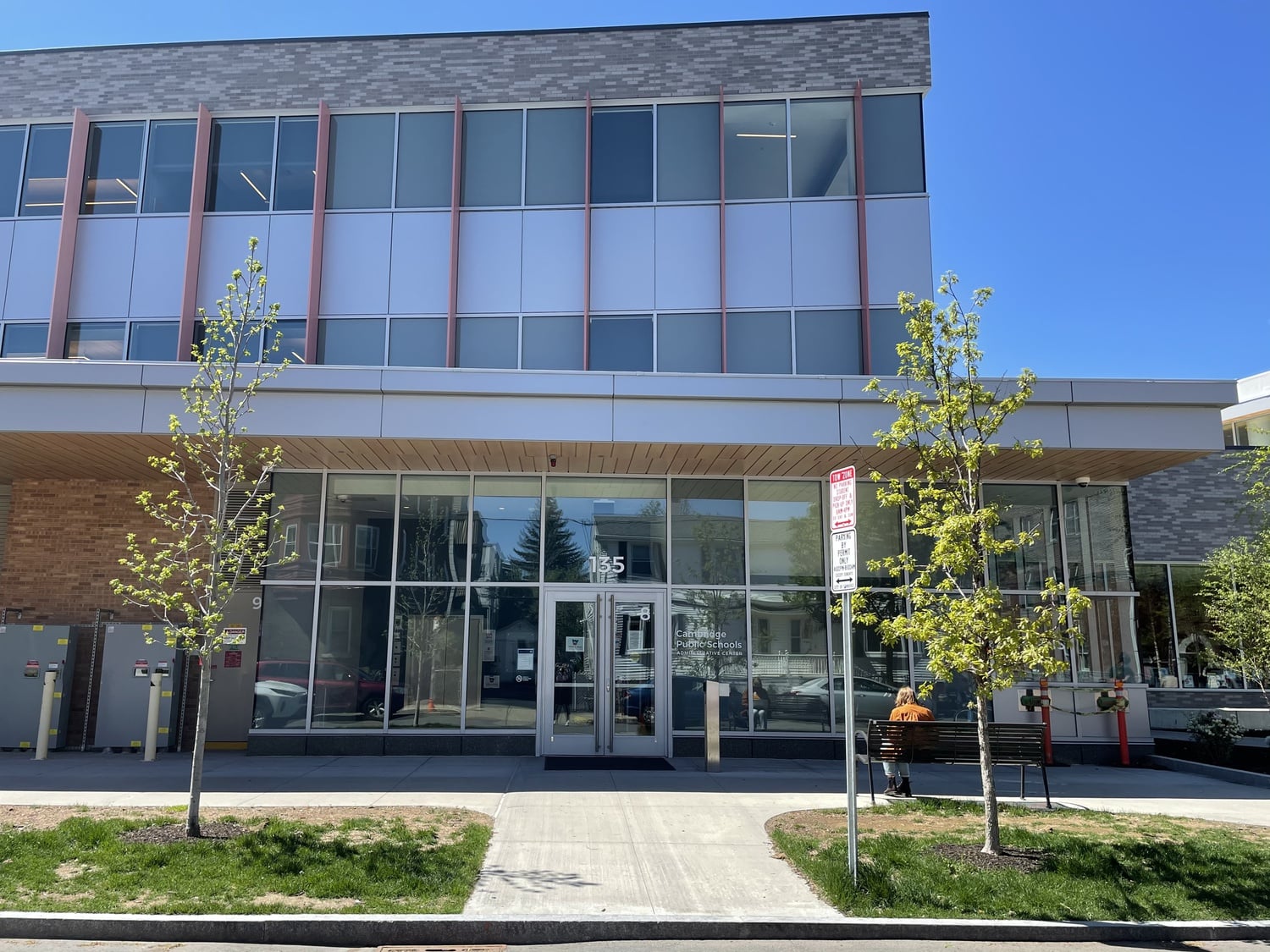
Cambridge Public School students scored higher than their peers across the state on the 2025 science and civics Massachusetts Comprehensive Assessment System exam — though the data point to enduring achievement gaps across racial and socioeconomic lines in the district.
The newest MCAS data, presented by Superintendent David G. Murphy and district administrators on Tuesday, revealed that Cambridge students attained the highest scores on both fifth and eighth grade science exams that the district has seen in at least five years.
More than 60 percent of fifth-grade students in Cambridge met or passed the state benchmark on the science exam, compared to 46 percent of students across the state, on average. Similarly, eighth-grade students outperformed the state average by 10 percentage points, with 47 percent of students scoring above the benchmark.
The presentation also included the first look at scores from the eighth-grade civics MCAS exam, which Massachusetts began requiring last year. The exam covers civic content, including the structure of federal, state, and local governments, and associated skills such as analyzing different sources and arguments.
50 percent of students in Cambridge Public Schools met or exceeded the standard on the civics exam, compared to only 39 percent of students across Massachusetts, on average. Adrienne Stang, director of history and social studies, attributed the district’s performance to curriculum enhancements from the nonprofit Discovering Justice, which aims to unite students in studying ideals of justice and democracy.
But minority students, along both racial and socioeconomic lines, continued to fall behind their peers in the two subjects. Significant achievement gaps persisted in particular for English learners, students with disabilities, low-income students, and Black students.
24 percent of Black students met expectations on the science exam and 25 percent on the civics exam, mirroring their performance on the 2025 English Language Arts and math exams. The data presented Tuesday also showed two percent of students learning English passed the science exam and 0 percent passed the civics exam.
During the meeting, School Committee members pressed district officials to detail their plan to close the longstanding achievement gaps, repeating many of the same concerns members raised when the scores were presented last fall.
Get The Crimson in your inbox.
“What are we doing about this? None of this data is impressive, it’s not where we want to be,” Vice Chair Caitlin E. Dube ’05 said.
“I’d like to see how are you operationalizing a new plan to confront these challenges and opportunities based on the data that you showed us,” she added.
Deena DePamphilis, the district’s director of science, presented plans to focus on curriculum review and bolster partnerships with local institutions — including Harvard and MIT — in the upcoming year to raise science scores.
Still, CPS had the highest percentage of students meeting or exceeding expectations in both science and civics compared to “DART” districts, which the state designated as comparators due to their demographic similarity to Cambridge.
School Committee member Elizabeth C.P. Hudson argued that it was unfair to compare Cambridge to its DART districts because Cambridge spends significantly more money per student than other districts.
“Suffice it to say, we spend double what everybody else does per district,” Hudson said.
CPS spends nearly $40,000 per student, according to the district’s 2025 budget.
“If it were a money issue — maybe we would not have solved everything — but we wouldn’t be as consistent with those districts who are not well-resourced as we are,” Murphy said.
“It comes down to execution, which means it comes down to us putting the resources where we know they’re most likely to be impactful, and then holding ourselves accountable for making sure that we utilize those resources in a way that children benefit from,” he added.
— Staff writer Jaya N. Karamcheti can be reached at [email protected].
Want to keep up with breaking news? Subscribe to our email newsletter
Have a tip for The Crimson? Share it confidentially