Dissent: We’re Glad The Game’s at Fenway
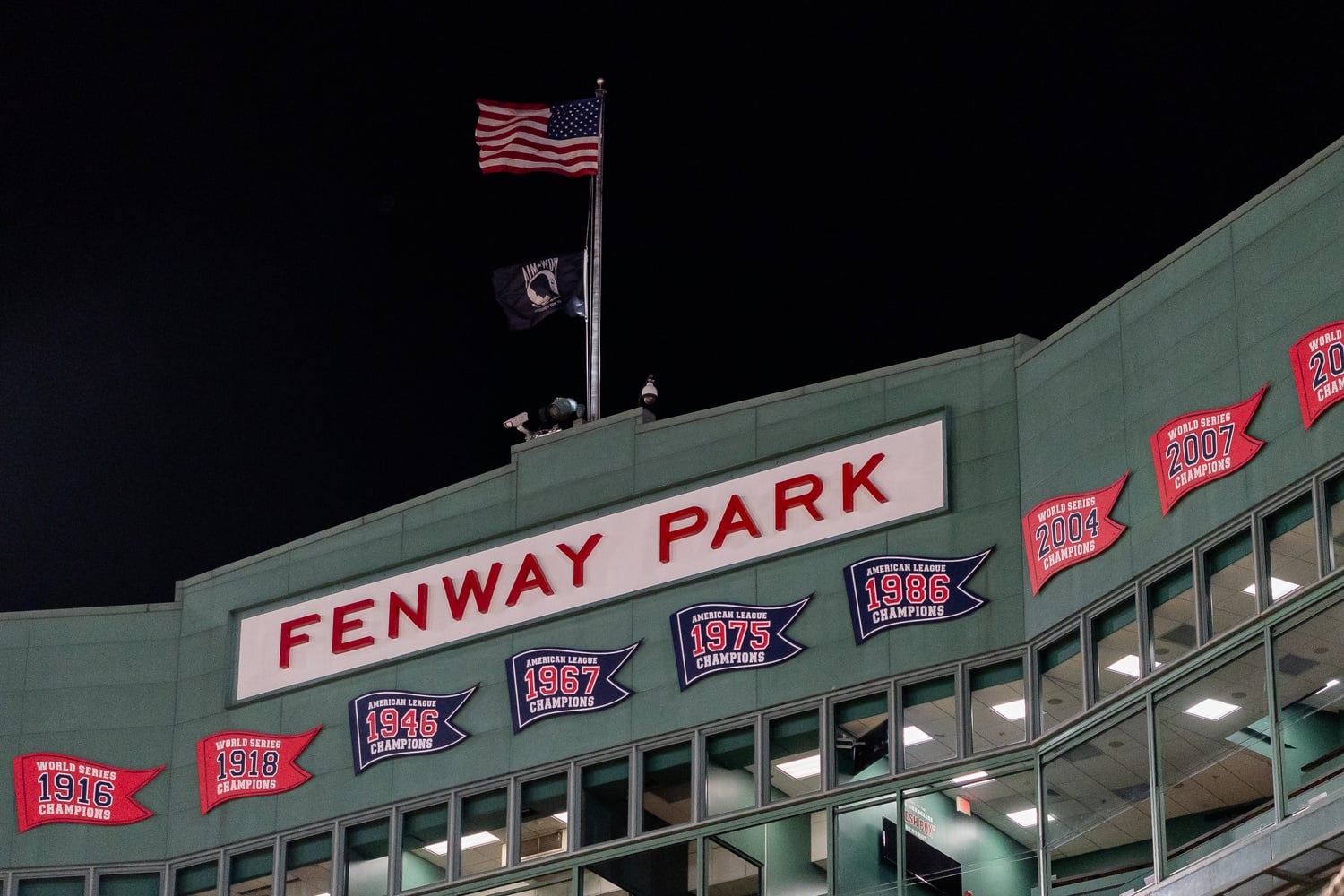
Harvard-Yale is moving to Fenway Park this year. We think that’s a good thing.
The change in venue affords members of both universities’ communities an opportunity to carry on our intercollegiate heritage with an exciting, meaningful twist. But in lambasting the move, the Editorial Board overstates potential departures from the traditions of The Game while infantilizing students.
Firstly, the Board misidentifies what makes The Game special. In stressing Harvard Stadium’s historic role as host, it misses the forest for the trees. Harvard-Yale needs three things: Harvard, Yale, and a football field.
The colosseum or not, its essence remains the same: Students will still party, socialize, and otherwise enjoy themselves with their peers. And in any case, nothing has changed about the Friday night before The Game, when many of the visiting school’s students typically arrive — prime time for going out.
Nor do we believe that either school’s community will be disrupted on Game day itself. Presumably, students and alumni will be seated separately from any outside spectators at Fenway, preserving the insular feel of The Game while allowing for greater attendance.
In this light, the Board appears to critique not an erosion of Harvard-Yale tradition — which will remain largely intact under this year’s setup — but rather that some of it will take place with a few extra Boston University students and Boston locals in the vicinity. We daresay they will not detract from our intercollegiate community.
Further, to suggest that an approximately thirty minute-long commute on the T or the unavailability of bars to underage students will discourage undergraduates from making the trip to Fenway is to infantilize them. For what it’s worth, we will be making the moderate commute to Boston. If our peers do not, indeed, turn up at the ballpark, Harvard’s lack of sports culture — not such minor inconveniences — will be to blame.
While the Board argues that the move is needless administrative interference, we venture that the University has gotten the choice of venue right. Harvard students likely have no other opportunity to visit Boston alongside thousands of their classmates, much less for any event with the potential to build camaraderie like Harvard-Yale. (Not to mention the boon for visiting Yale students, who get to spend an afternoon in one of the nation’s most beautiful and dynamic major cities — we know they’re not used to that.)
The Board does, however, raise valid safety concerns. By directing students to the T, rather than offering more shuttles, for transportation from campus to Fenway, Harvard creates overcrowding and physical risks. Likewise, the probable presence of Boston Police Department officers — who are not bound by Harvard’s help-seeking policy — at The Game raises the prospect of legal trouble for students who’ve overimbibed and need medical assistance.
To address these issues, Harvard should use funds collected from the newly increased Student Activities Fee to provide additional shuttles. It should also dispatch, to the extent that it is feasible, Crimson EMS workers to the Fenway area on Game day. This EMS presence should be loudly advertised before The Game, such that students in need of assistance know whom to turn to.
As long as Harvard takes action on these issues in the time leading up to The Game, the decision to use Fenway breathes new life into Harvard-Yale, and the experience will serve as a valuable trial run for future iterations in Boston.
We aren’t yet convinced The Game should be held at Fenway every four years. But we are glad that we’ll be able to say that we saw it there once.
Michael Isayan ’29, a Crimson Editorial editor, is a joint concentrator in Government and Economics in Cabot House. Kai I. Russell ’29, a Crimson Editorial editor, is a Social Studies concentrator in Adams House.
Dissenting Opinions: Occasionally, The Crimson Editorial Board is divided about the opinion we express in a staff editorial. In these cases, dissenting board members have the opportunity to express their opposition to staff opinion.
Want to keep up with breaking news? Subscribe to our email newsletter
Have a tip for The Crimson? Share it confidentially