Death to (Bad) Sections
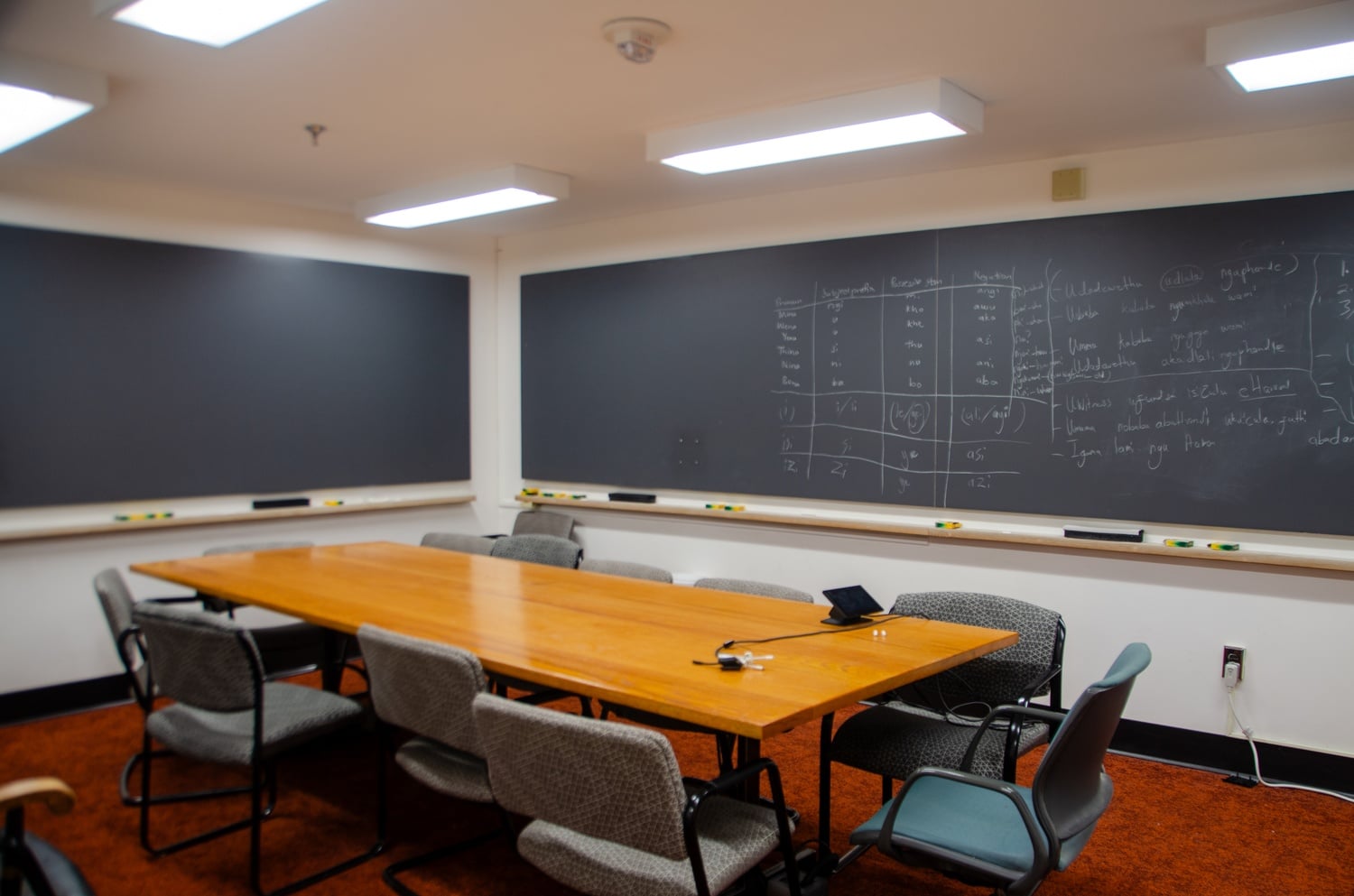
If you’re having trouble sleeping, try attending a Harvard section. This near-ubiquitous course component is so egregiously slow and perfunctory it could serve as a callous lullaby.
Intimate and discourseful engagements are hard to come by in lectures — this is an unfortunate byproduct of the need to present information to a large audience. Sections are meant to initiate that exact engagement, through close interaction with both the teaching team and one’s fellow classmates. Instead, they are often cheaper, more awkward copies of lectures, covering almost all the same topics at a pace for the most disengaged student.
Imagine the stereotypical section experience of most Harvard students: The teaching fellow walks in with a sullen look on their face (maybe because Harvard doesn’t pay them very much) and asks the students if they have examined and understood the material. The students answer with a few vigorous but noncommittal nods, though most dart their eyes around to see what others are saying. The shrewd graduate student reads right through the pretense of preparation, and so as to (hopefully) enable the prospect of discussion, begins a recap of class material instead, and the class is degraded to a mere review session. And on the off chance we eventually get to discussion, it is limited to the self-selection of a few participants.
This begins a chronic negative feedback loop. Covering readings in sections make students less and less inclined to do the readings to begin with. With so little comprehension to work with, one can hardly expect the TF to run an analytical discussion by themself. Across both humanities and STEM courses, the nature of the materials change, but the unmotivated and lethargic structure of sections remains the same.
While appealing to all levels of comprehension is often a good thing, this principle only applies if the lack of understanding is in spite of a diligent attempt to grasp the material. Lack of effort should not be accommodated. When we normalize irresponsibility, the more engaged students eventually grow tired and disengage as well.
This is a sorry state of affairs, but a simple standardization of raised expectations can mend much. When a student knows they can be handed a pop-quiz or be cold-called to explain the assigned readings, most will feel obligated to complete the expected work before showing up. It may seem a rather punitive approach, but it serves both the students and the TF immensely in the long run.
And let us not forget: The goal of sections is analysis, not mere comprehension. Our education is futile if it stays limited to the absorption of some material facts and never finds the opportunity for a skeptic dissection. That requires three things — a group of informed participants, an experienced moderator, and a spirit of creative experimentation necessary to enjoy the whole endeavor.
The best sections I have experienced thus far were also the ones where a cacophony of laughter would be a regular companion. And no, I’m not asking my TF to recreate Saturday Night Live. But when a section moves from the generic lecture format towards experimental learning — with students moving around, communicating, and bumping into each other, both literally and intellectually, a few light moments are bound to happen.
When we are made to seriously engage with each other in creative, challenging, and novel ways, feelings of joy and connection that extend beyond mere intellectualism are sure to follow. And as the grade cap threatens to undermine collaboration between students, cultivating such an environment is more important than ever.
While there is no doubt our graduate students, or occasionally undergraduate section leaders, are highly capable and well-versed in their fields, teaching is hard. Administrators and faculty alike should be thinking through ways to breathe life into our pedagogy. Those with a few years of experience at best cannot be expected to manage this on their own. There is certainly potential — I have had wonderful learning experiences with some of my TFs. But these experiences need to be standardized and regulated across the College.
Science teaches us that all substantial phenomena require a high activation energy. Until we can inject a substantive dose of intellectual enjoyment into them, our sections will continue to lie dormant while the students sit drowsy.
Adnan Bin Alamgir ’29, a Crimson Editorial editor, is a joint concentrator in Physics and Math in Lowell House.
Want to keep up with breaking news? Subscribe to our email newsletter
Have a tip for The Crimson? Share it confidentially