Wintersession Is a Waste of Time
240 hours, or 10 full days.
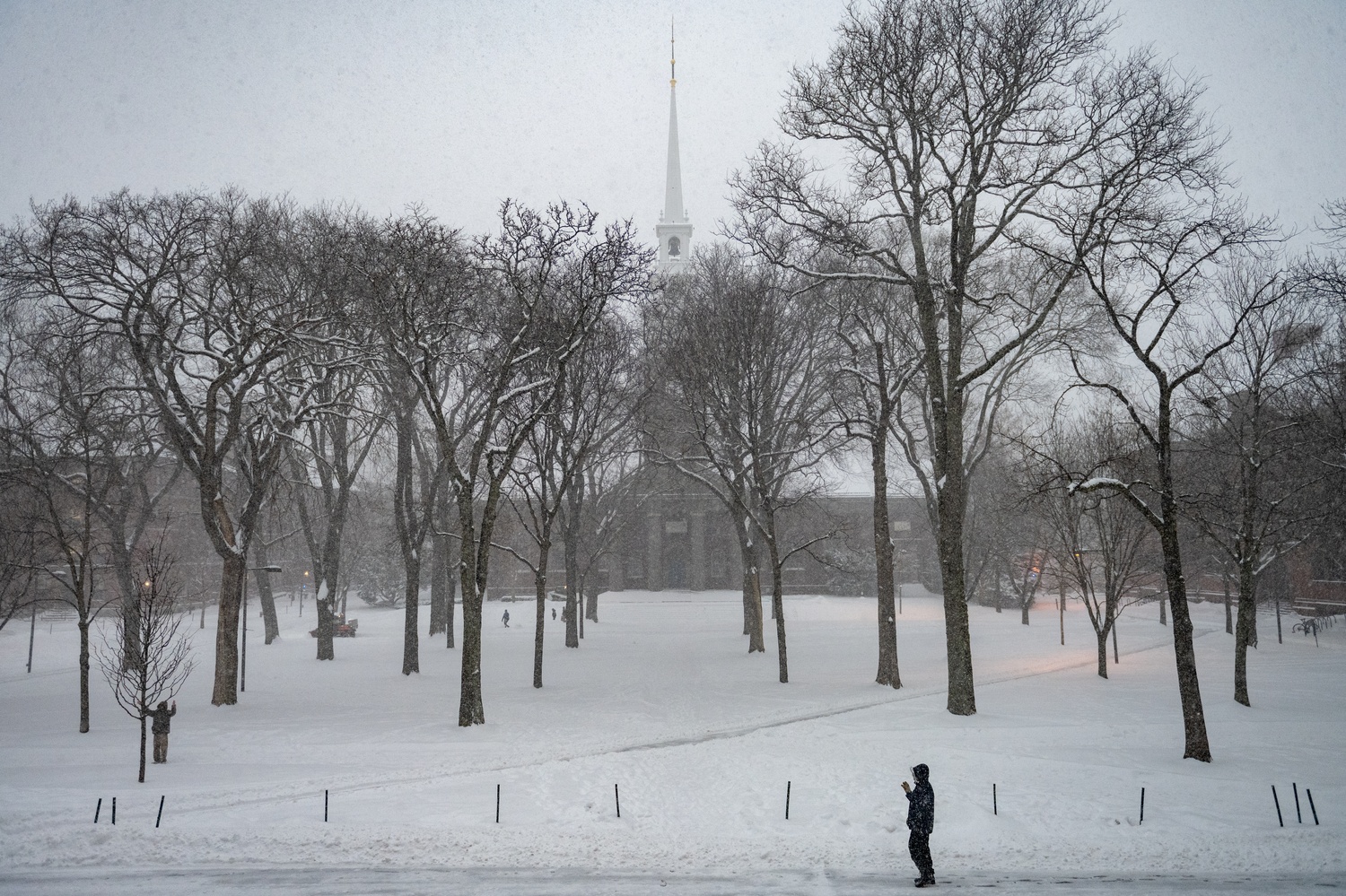
That’s how much time the Harvard College calendar gives each student between the end of winter recess and the start of the spring semester. This period — called “Wintersession” — can be spent however each undergraduate pleases. When combined with the later half of winter break, January feels like a liminal waiting room until the start of a new semester, a tradition that seems hollow in purpose compared to its scale.
Wintersession is not a stubborn habit, but rather an invention from the late 2000s. Born out of a schedule change to move fall-term finals from January to December, Wintersession’s forefathers imagined a dedicated carveout in the academic calendar where students could pursue academic exploration in a structured format while immersed in the Harvard College community.
But Wintersession today is a far cry from the hopes of yesteryear. One of the College’s most dramatic alterations to the student experience serves little purpose for the needs of Harvard students today. To justify Wintersession’s existence, Harvard needs to redirect enough focus and resources towards the program. In doing so, Harvard can restore Wintersession’s original potential to spur personal and intellectual growth.
The calendars of Harvard’s peer institutions once provided a reference point for Harvard, but now they call into question the utility of an extended winter recess with little programmatic enrichment.
Take Middlebury College’s Winter Term, during which all first-years are required to stay on campus. The school offers a plethora of credit and non-credit courses over January, such as a faculty-led biological fieldwork trip to Puerto Rico. These opportunities reflect a dedication towards immersive and oftentimes experimental episodes of intellectual exploration, the kind which the pace and demands of conventional, semester-long letter-graded classes can dissuade.
For many years, Harvard modeled Wintersession after its peers. By 2012, some of Wintersession’s few current mainstays like Harvardwood 101 found their start, and centers and initiatives within Harvard itself sponsored study abroad programming in places like Uganda and the Sicilian countryside. The School of Engineering and Applied Sciences offered multi-day workshops on nanomaterials synthesis and prototyping techniques, and the David Rockefeller Center for Latin American Studies alone offered four international trips to Brazil, Mexico, and Chile.
Compare that with the Wintersession of today. As of early November, the Dean of Students Office’s website lists no events or study abroad opportunities for Wintersession 2027 and even provides a broken link to a “Wintersession Calendar”.
Admittedly, Wintersession allows clubs to host off-campus programming themselves, and the College also offers opportunities like the Fong Family Winternship Program, which helps students secure short-term internships while away from Cambridge. However, structured opportunities to dive into novel educational experiences in the company of one’s classmates remain missing.
Without the built-in opportunities to explore new subjects or places with the structure and accountability of official campus programming, Wintersession functions in practice as an extra two weeks of winter break for many students, a time to leave the Harvard bubble and chart whatever trip, internship, or experience a student wants to pursue.
At that point, an extra three weeks before the start of Winter Term seems better used to extend summer break, when students are already accustomed to spending a large chunk of time away from campus and seizing the opportunity to pursue extended new experiences that purposefully take them out of the Harvard setting.
Nevertheless, Harvard’s present financial insecurity is reason enough to hesitate before revitalizing Wintersession with more financial resources.
In the meantime, Harvard can rearrange existing funds to improve Wintersession. For instance, shifting more term-time funding toward Wintersession study abroad programs is one way to make international academic opportunities more accessible. Or, perhaps the limited money available for summer study abroad programs could be redirected to support shorter, winter options.
Within 10 days, much can be accomplished. In the years to come, Harvard should make those 10 days count.
Sabrina H. Ottaway ’29, a Crimson Editorial editor, is a History concentrator in Quincy House.
Want to keep up with breaking news? Subscribe to our email newsletter
Have a tip for The Crimson? Share it confidentially