Afterlives of a Thousand Human Brains
Updated February 27, 2026, at 12:11 p.m
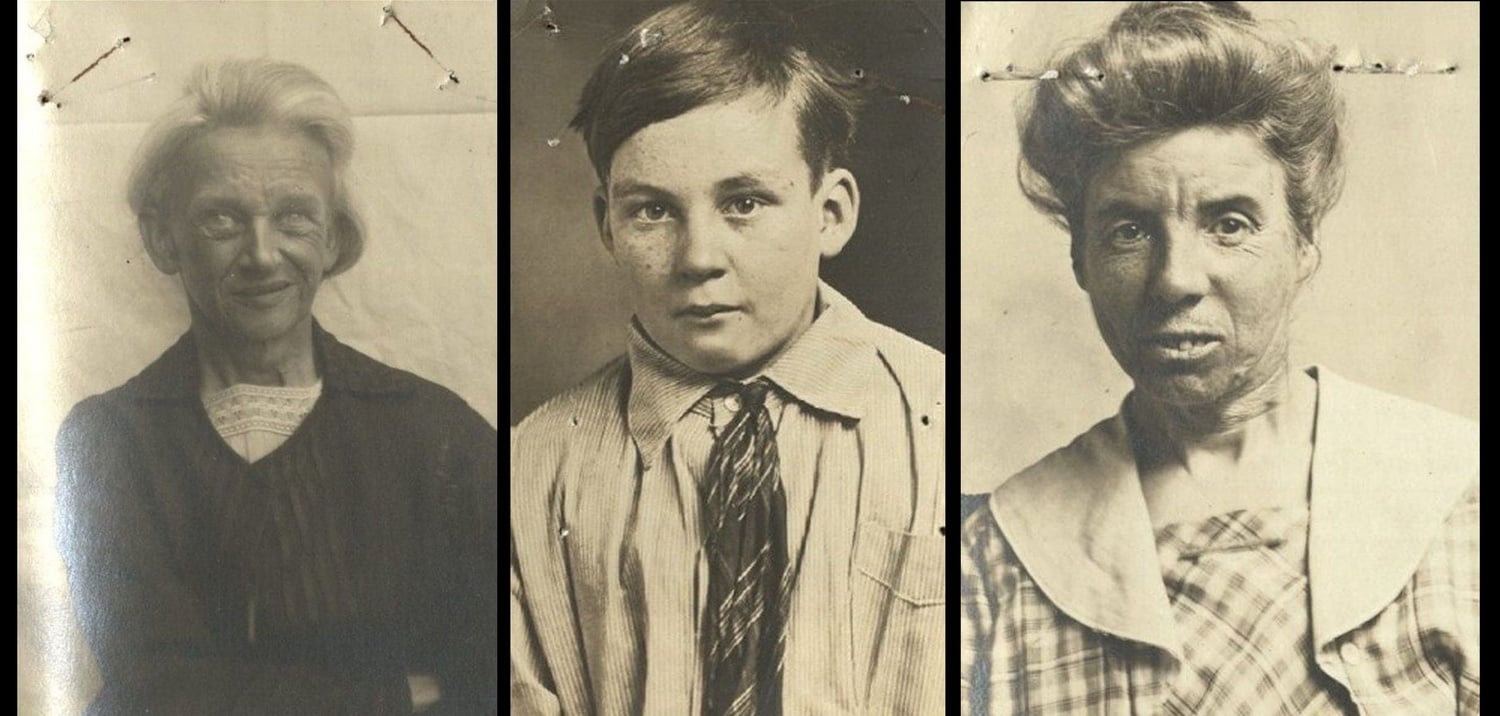
t 34 years old, Mabel E. Moore was labeled an “imbecile” and sentenced to a life of institutionalization.
In her first years at the Walter E. Fernald State School, a public facility for individuals with developmental disabilities, she formed close friendships, learned to crochet, and regularly left to vacation with her mother. But as the years wore on, after her mother died, her sister was admitted to a psychiatric institution, and guardianship passed to a brother-in-law, visits dwindled to once a year. Moore’s condition declined.
In 1941, her brother-in-law received a letter from Fernald informing him that Moore may soon die and requesting permission to conduct an autopsy. “It would be a great help to us and to future generations,” the School’s superintendent wrote.
“Mabel has been in the School many years. This is the only way in which she might be of some help to humanity.”
Moore died three years later. She had spent more than half her life at Fernald — one of dozens of Massachusetts state mental facilities now closed due to revelations of neglect and abuse, and changing conceptions of mental health care.
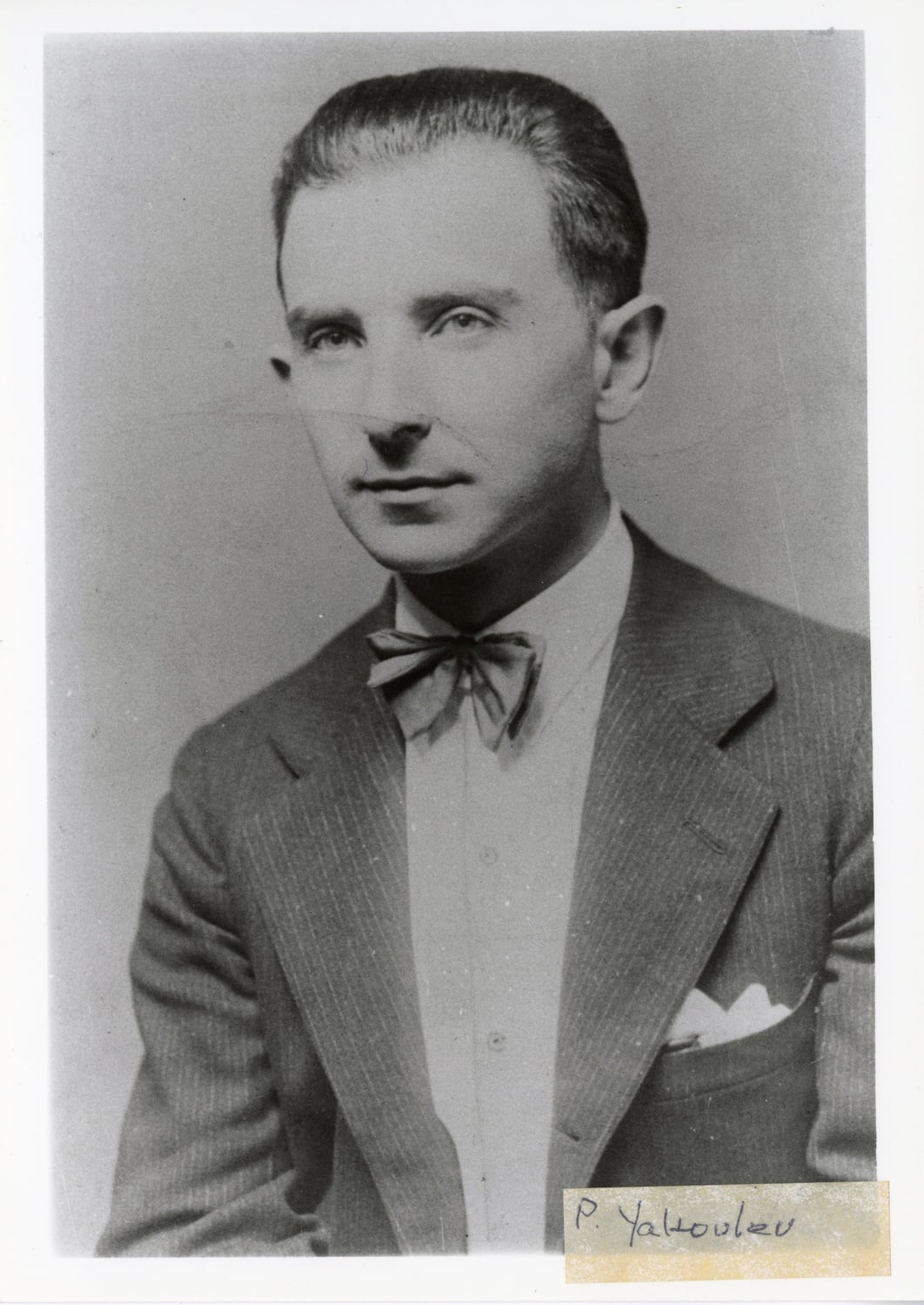
Her autopsy was performed by Paul I. Yakovlev, Fernald’s research director, who later became the curator of Harvard’s Warren Anatomical Museum. During the dissection, Yakovlev removed her brain, noted its weight and circumference, and preserved it in a chemical fixative called formalin.
Throughout his career, Yakovlev amassed over a thousand human brains from state hospitals and institutions. Moore, like hundreds of others, was thus reduced to a specimen.
Yakovlev called the collection a “life-long ‘hobby,’” using it to study the anatomy of neurological disorders. Even after moving to Harvard, he continued to collect brains, soliciting and receiving specimens by mail from scientists across the country.
Though Yakovlev has been dead for decades, his substantial brain collection remains in storage at the Department of Defense’s National Museum of Health and Medicine in Silver Spring, Maryland. But because brain sectioning techniques have greatly advanced, Yakovlev’s collection now seems to hold more historical than scientific value.
The people behind these specimens have been twice erased — first by institutionalization, then by law. Legal restrictions sealed patient records, making them difficult to access even for family members. That is, until a commission led by people with disabilities encouraged the state government to change its law on institution archives. Massachusetts opened these patient files in November 2025, bringing thousands of names and histories back to life.
With these records now publicly available, the collection can no longer be understood as anonymous anatomy alone. How should we reckon with this history? What does it mean to learn from medicine’s mistakes? Why was Yakovlev so intent on his collecting, and what should be done with these brains today?
The Birth of an Obsession
his is your century!” his father declared, lifting five-year-old Yakovlev from his bed as their grandfather clock rang in the year 1900.
It was also the century of what Harvard historian Anne Harrington calls a rising “neuroanatomical impulse” — the conviction that mental illness must have a biological explanation. The idea predated Yakovlev, she says, but gained new acolytes in the same years he was entering medicine.
Yakovlev was born in Touretz, Russia to first cousins — a marriage discouraged at the time. His father, a retired army officer from a long lineage of military men, pushed him toward distinction. His mother died when he was just three; his father died when he was nine.
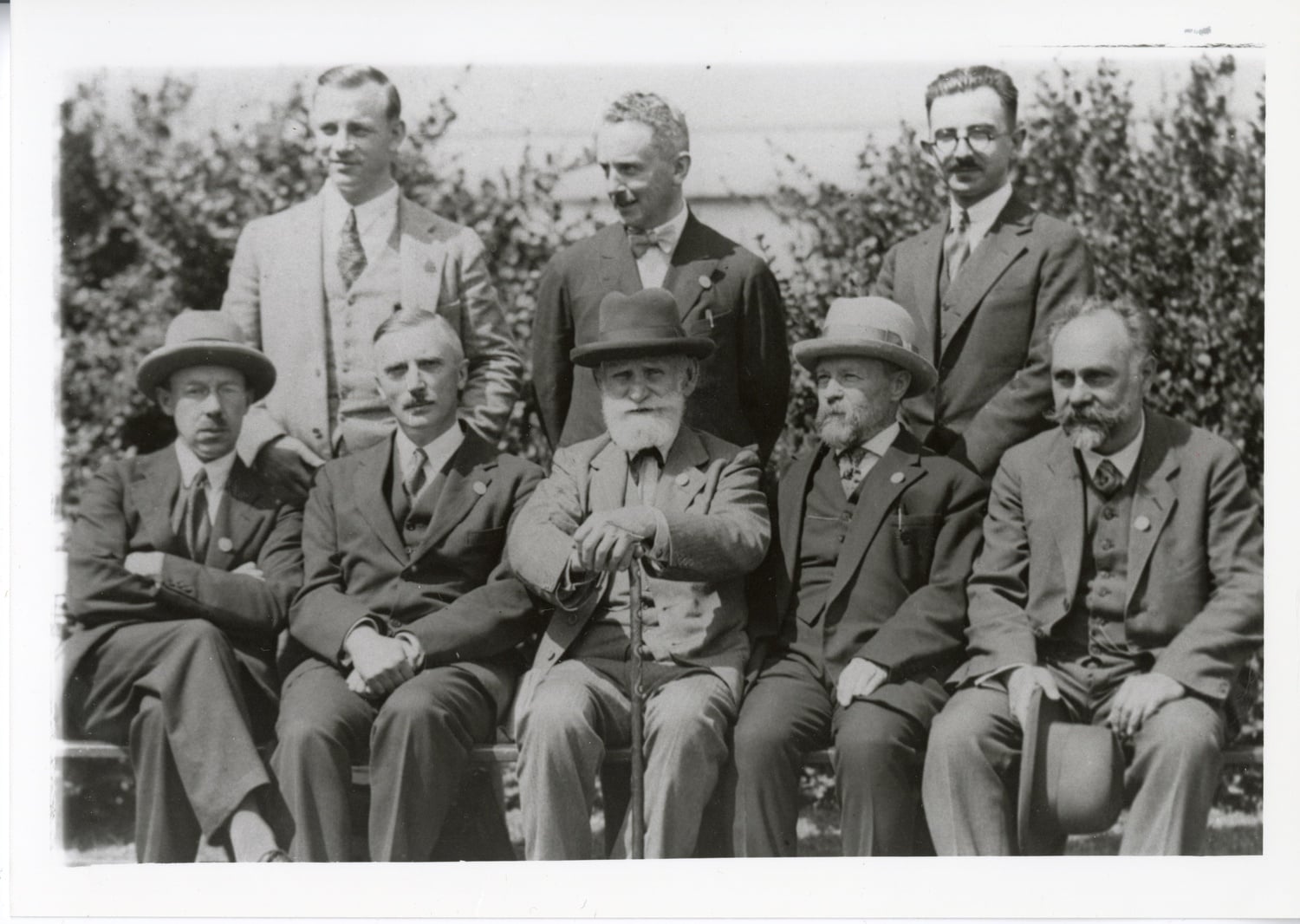
He was raised by an aunt until he was old enough to attend the Military Medical Academy in St. Petersburg. On summer vacations, he was a “stretcher-bearer” in the Imperial Army. During these years of training, he nurtured a dream to “unleash the secrets of the psyche” through psychiatry. Professors including Ivan P. Pavlov — who studied behavioral conditioning in dogs — taught Yakovlev that all mental illnesses “had to have a mechanical explanation.” This instilled the neuroanatomical impulse Harrington now identifies.
The 1917 Bolshevik Revolution and the collapse of the Russian Empire upended Yakovlev’s studies. His uniform became a target.
Natasha P. Yakovlev, his daughter, recounts the moment he decided to leave Russia. Walking through the streets of St. Petersburg, he noticed a pair of military boots jutting out from a barrel of wine. It was a fellow officer — drowned by Bolsheviks. He wasn’t yet accustomed to the bodies of the dead.
Yakovlev tore off his epaulets and hid them. “If I stay here I am going to be destroyed, either starving to death or get typhus,” he later described. “Or be shot on the pretext that I am not a communist.”
In planning his escape, Yakovlev remained focused on his desire to study the brain. “I was dedicated to ‘science’ (with an exclamation point rather than a mere period),” Yakovlev wrote of his mindset at the time. As soon as he received his bachelor’s diploma in late 1919, he and a classmate crossed the frozen gulf to Finland.
“His only belongings were what he had on his back: several layers of clothes, chunks of black bread, bacon, a bottle of laboratory alcohol, cocaine, a revolver, a compass, 800 rubles, and his medical and fellowship certificates,” his obituary recounts. When patrol lights swept the ice, the pair laid under white sheets to blend into the snow.
Yakovlev survived in Finland cleaning caked oil from machinery before eventually travelling onward to Paris. There, he served as assistant to Joseph J.F.F. Babinski (remembered for his foot sole reflex discovery) after receiving his medical degree in Paris.
After immigrating to the United States, he was employed by Harvard psychiatrist Stanley Cobb, class of 1910, a founder of American biological psychiatry. Through Cobb, Yakovlev began research in state mental institutions.
At Monson State Hospital, an institution for individuals with epilepsy, Yakovlev mastered the English language — largely by reading TIME magazine, he later told his daughter. And it was there he met his wife, a secretary whom he’d always request as his typist because she was the only one who understood his accent.
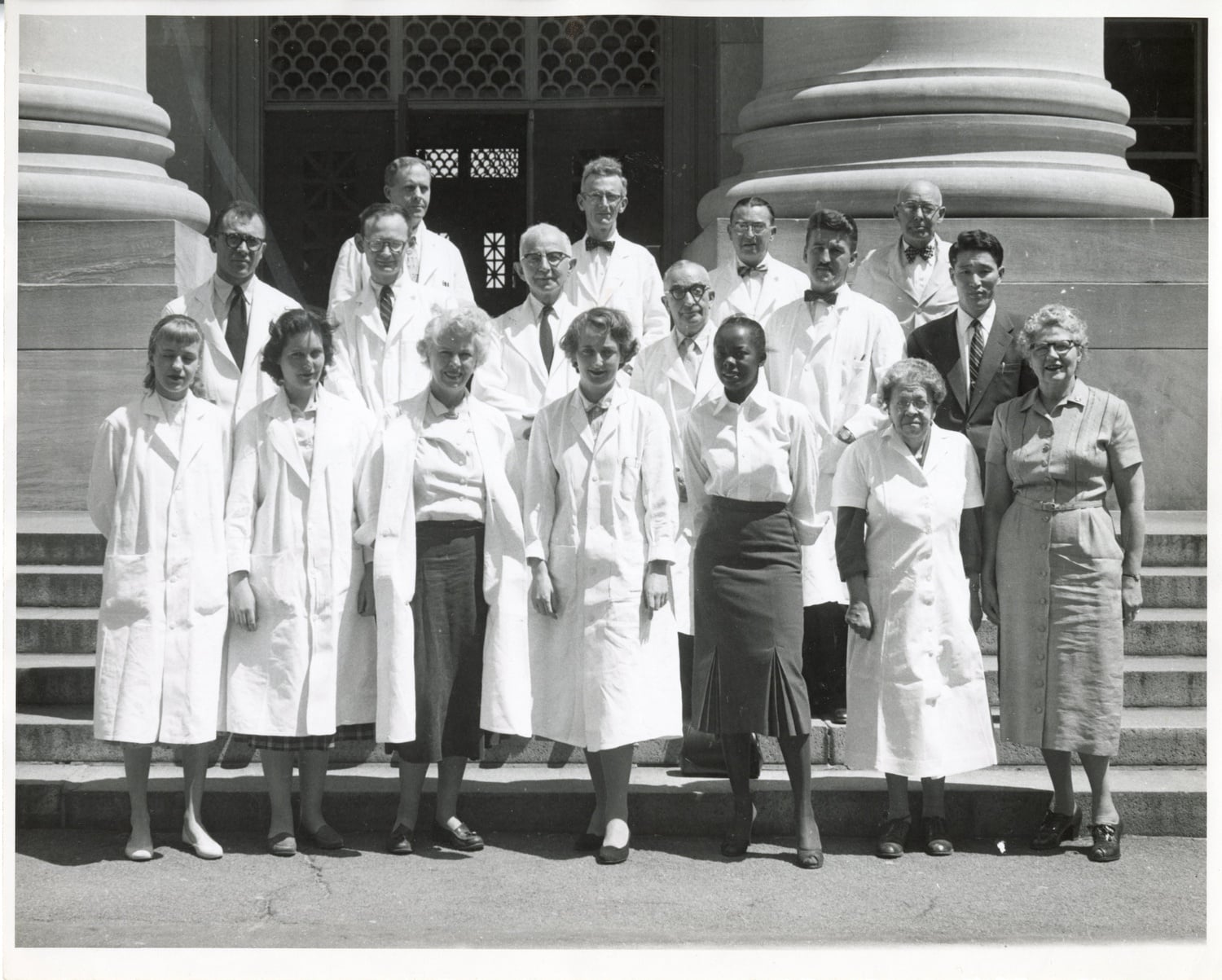
State hospitals, Harrington — the Harvard historian — explains, were central to psychiatry’s attempt to stabilize its scientific identity. It was “embarrassing,” she says, for professionals to spend the majority of their time doing custodial and caretaking work in these overcrowded establishments — especially when compared to the scientific strides being made by other fields of medicine. In response, these practitioners began setting up laboratories and autopsy rooms in state hospitals, establishing neuroanatomy as “a way for psychiatry to affirm its status as a research discipline.”
Harrington stresses that “patients were not just people. They were research material for a larger undertaking that they did not formally and voluntarily sign on to.”
For Yakovlev, this meant he was both treating and studying residents. “For long years I had to literally ‘cohabitate’ with hundreds of sick people around me in these institutions who were by the force of circumstances my patients, while I was by vocation their ‘neurologist,’” he wrote.
With hundreds of patients at his disposal and little research oversight, Yakovlev conducted behavioral tests and physiological examinations. Maurice Victor, Yakovlev’s colleague, told an interviewer for the Canadian Journal of Neurological Science that Yakovlev would take his patients on “a hike, a long hike, miles and miles.” Then, he would have them “sit down in a ditch, take off their shoes and stockings, and test all of them for the Babinski sign.”
Harvard’s Center for the History of Medicine at Countway Library has archives of Yakovlev’s published and unpublished patient observations. Photos show Yakovlev holding patients up and manipulating their faces and limbs in order to study their motor capacities.
Yakovlev published a number of well-received papers and case studies from these patient observations. But his true interest was the brains themselves.
He searched for a way to systematize the preparation and preservation of these organs for easy comparison. The typical tool was (and still is) the microtome, which produces even slices of a specimen to be stored between plates of glass. But a standard microtome was far too small to slice a whole human brain, and separating the brain into chunks before slicing would obstruct Yakovlev’s interest in large-scale structural changes.
With the help of a local instrument builder, he customized a microtome specifically for whole human brains. With this tool, Yakovlev could cut identical, 35-micrometer-thick slices — producing over a hundred glass-protected slides from a single specimen. This unveiled the three-dimensionality of the brain without compromising its structure.
Yakovlev lived at state institutions for 25 years. After a decade at Monson, he worked as a research director for the Metropolitan State Hospital for two years, Fernald for nine, and the Connecticut State Hospital for another four. His four children were raised on the grounds of these establishments. Alongside them, their father’s expertise — and collection of brains — grew.
Even during his active appointments at these hospitals, Yakovlev sought out collections from other clinicians. He visited the autopsy room of Danvers State Hospital, for example, in 1944 and wrote to the facility’s clinical director that he was “very pleased” with the “fine specimens” he was able to collect.
These institutions gave Yakovlev endless opportunities to pursue his self-described hobby. But the work eventually took its toll. “I am weary of asylums,” Yakovlev wrote in 1944.
He left institutions behind in 1947 to teach at Yale School of Medicine. When he was offered professorship at Harvard Medical School in 1951, he moved his family to a house in Brookline. But although he retired from autopsy rooms, collecting brains remained top of mind.
Living in Institutionalization
rederick Vanosse was admitted to Fernald State School in 1917 at eight years old. He remained there for 26 years, until he died and was subsequently dissected by Yakovlev. His attendants noted over multiple years that “the older boys try to use him sexually.” At one point, the superintendent requested for him and three other patients to be transferred to another institution — citing that their facilities were severely understaffed and more than 30 percent beyond residential capacity. The transfer request was denied.
As was common practice, Vanosse was put to work on the School’s farms. Patients who were sufficiently mobile were often given tasks “in kitchens, laundry, sewing rooms, etc.,” Yakovlev recorded. His daughter recalls that some patients would help her family clean their house and complete their yard work.
Vanosse was visited occasionally by family members, but they were unable to cover the cost of his burial. His sister gave permission for an autopsy via a mail-in form, and after his brain was removed, he was buried in Calvary Cemetery.
Fernald was built with the intention to teach and foster. But in practice, residential centers like it — entrusted with the care of patients who had psychiatric, neurological, and developmental disorders — often facilitated neglect and abuse. They often became overcrowded, life-long confinements, used as warehouses for “undesirable” individuals of every kind. World War II drafts of medical professionals worsened understaffing, leaving far too few to care for patients.
Vanosse’s family was made aware of his death and consented to his autopsy. Others did not have that opportunity. After decades of institutionalization, patients’ living relatives sometimes became hard to track down. When Annie Corrigan died, for example, the school placed a notice in the paper — a request for relatives to contact the school that took up less than two square inches of the page. When no one responded, the law permitted the removal of her brain.
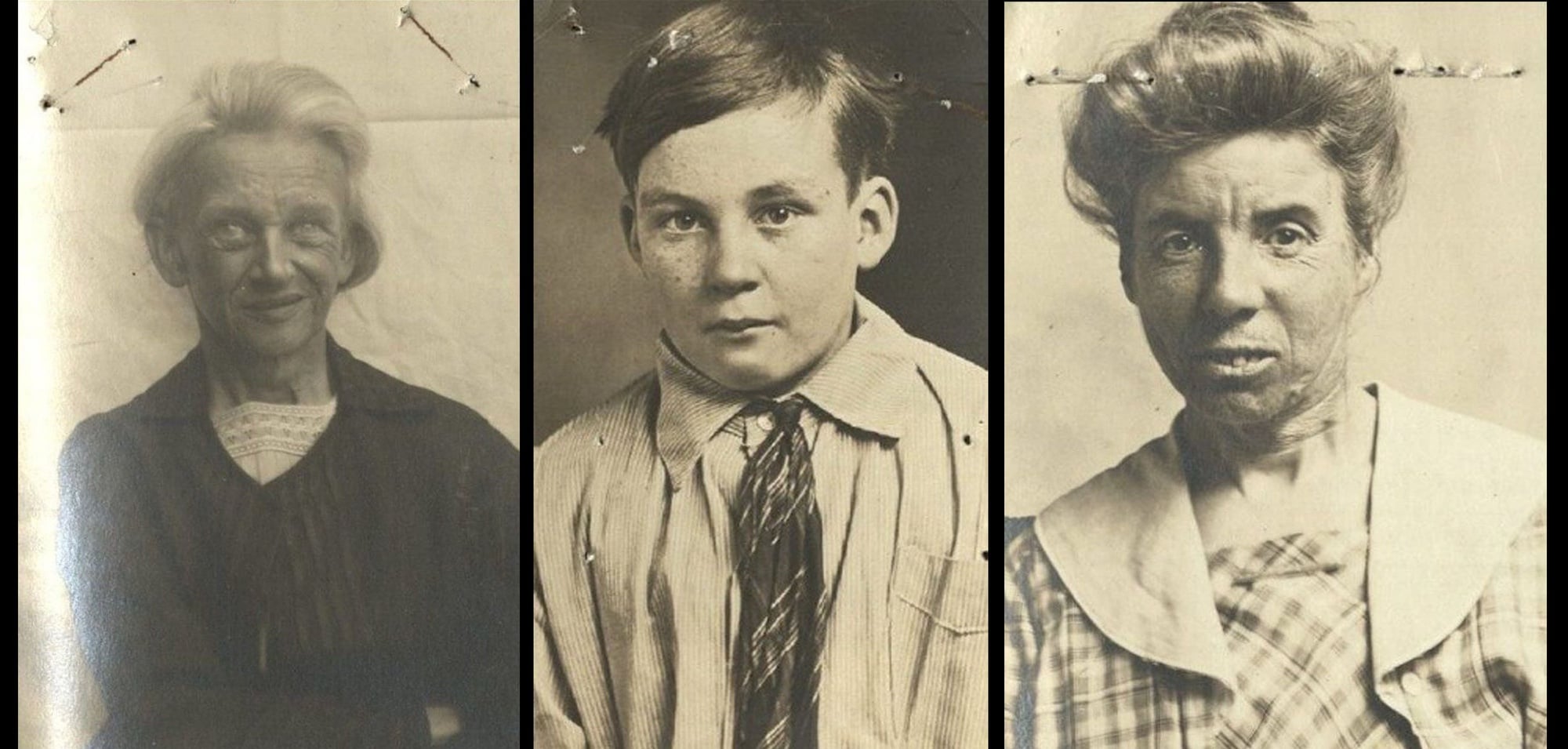
The legal framework for such practices stretched back more than a century. In 1831, Massachusetts passed one of the nation’s first Anatomy Acts, permitting the dissection of unclaimed bodies. A 1921 revision mandated that unclaimed bodies of those who died in public institutions be used for medical research.
For many psychiatrists in the twentieth century, this was civil reciprocity. “When patients have been supported at the public expense, it seems no more than justice that they should contribute to the public welfare,” wrote pathologists from Danvers State Hospital in 1901.
Mortui vivos docent — the dead teach the living — was the common Latin refrain in autopsy rooms and morgues to justify such practices.
But anatomical research often reinforced the very systems that confined these patients.
Yakovlev lived at these state institutions during the height of the eugenics movement, when thousands of Americans were involuntarily sterilized. Eugenicists relied on biological “proof” of brain differences between ill patients and healthy ones — the same “mechanical explanation” Yakovlev pursued in neuropsychiatric diseases.
Harrington sees Yakovlev’s own place in the eugenics movement as more about the scientific era than his own views. “These were systemic choices, not individual choices,” she says.
But Alex Green, a disability justice advocate and adjunct lecturer in public policy at the Harvard Kennedy School, disagrees that normalization mitigates responsibility. Whether or not Yakovlev actually endorsed eugenics, Green argues, continued participation made researchers complicit in the systems of abuse, mistreatment, and dehumanization.
“When they did these things, they did so choosing to see and choosing not to see certain aspects of their careers,” Green says. “Certainly, tons of people quit working in institutions because they did not want to be part of the violence they were being made to commit.”
But not Yakovlev.
Even after leaving institutional posts, Yakovlev was soon advocating for the expansion of autopsy research at Harvard.
“If I were entrusted with the Curatorship of the Warren Museum I would be able to make the Museum useful for research and development of teaching,” Yakovlev wrote to the head of the pathology department at Harvard Medical School in 1953. He requested additional faculty to assist with his existing professorial responsibilities so he could “devote more of my time and energy to the Museum” — and to collecting brains.
When he assumed curatorship in 1955, psychiatrists nationwide began sending him specimens to slice.
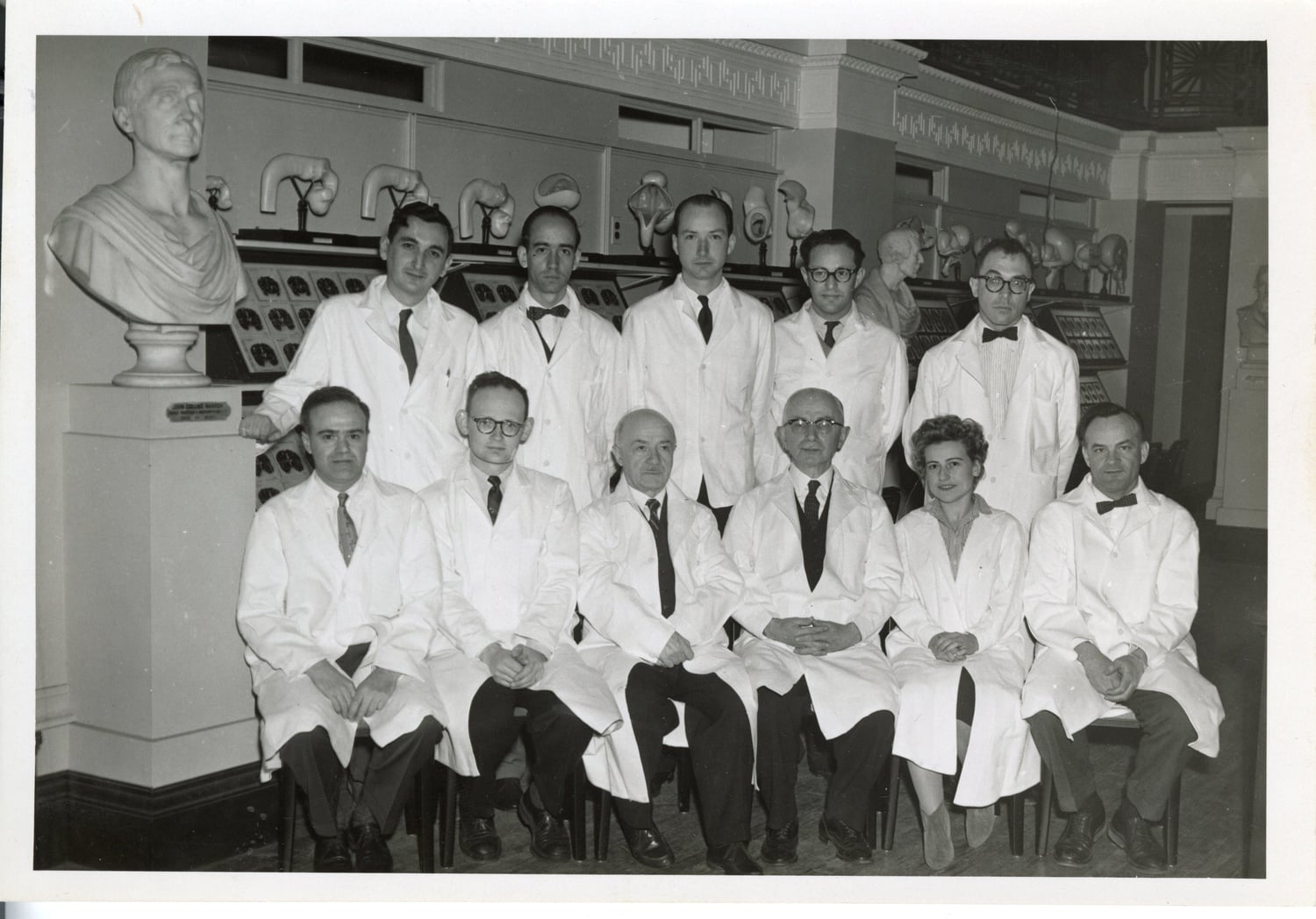
Physicians and students pilgrimaged to Yakovlev’s collection to study his slides. His slides appear to have been employed in a presentation to local funeral directors, hoping to reduce resistance to brain removal. “If the director knew more of why the doctor desires post-mortems,” one coordinator explained, “he would be in an excellent position many times to help the medical profession.”
Among Yakovlev’s closest correspondents was Walter J. Freeman II, a neurologist who spent his career promoting the lobotomy. Freeman believed the lobotomy was uniquely capable of calming overactive emotions and unruly behavior. He sought to simplify the practice — piloting a technique where an ice pick was driven through the bone behind a patient’s eye socket and into their brain. Freeman travelled between hospitals in what some historians have coined his “lobotomobile,” performing more than 3,000 lobotomies during his life. Many of these patients died. And some of their brains were sent to Yakovlev.
Publicly, Yakovlev presented himself as scientifically neutral. In a study of lobotomized brains, he noted the absence of “any known and predictable long-range beneficial effects on the so treated individuals or society.”
However, Freeman and Yakovlev corresponded regularly over three decades about their respective careers, and, when Freeman recommended a lobotomy that killed a young patient, it was Yakovlev he turned to for help. “I don’t like to be classed with the abortionists, rapists and euthanasia doctors,” Freeman wrote to Yakovlev, asking him to lobby the board of trustees who were threatening to revoke his hospital membership.
Yakovlev defended him, saying that though “one may agree or disagree with Dr. Freeman on the validity or invalidity” of the lobotomy, Freeman remained “a courageous soldier” of medicine. Today, the frontal lobotomy that Freeman championed is widely regarded as a medical atrocity.
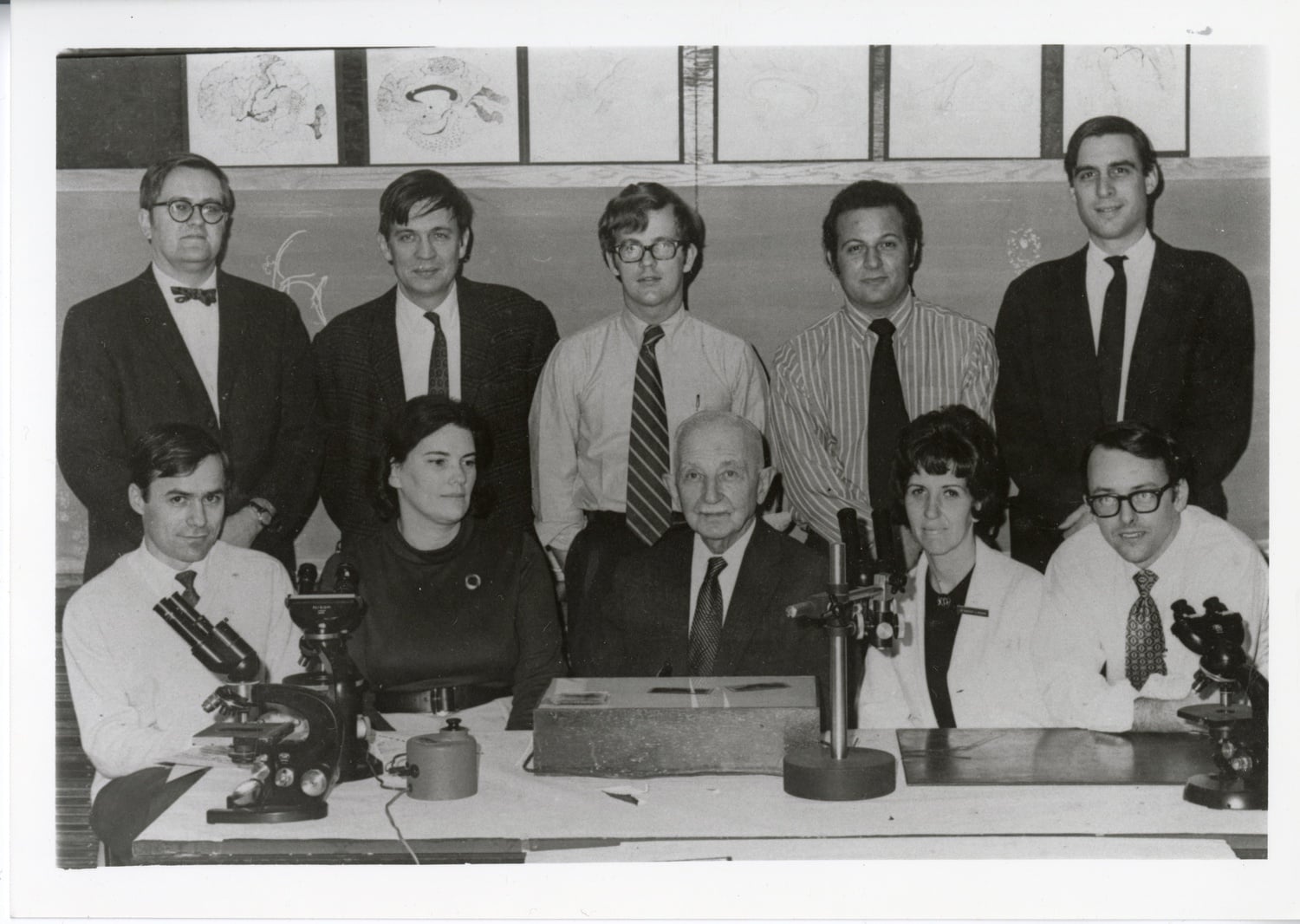
In recommending Yakovlev to emeritus status at Harvard, a colleague described his collection as “the largest and best collection in America of brains from patients who have been lobotomized.”
Specimen Afterlives
atasha P. Yakovlev remembers her father as obsessed with his work. “He would work until two or three in the morning,” she recalls. “He would be pacing the floor and working on papers very often, doing his correspondence when nobody else was awake.”
Throughout his tenure as curator of the Warren Anatomical Museum, Yakovlev advocated for increased space and funding for his collection — which, over 42 years, grew to over 250,000 slides. Yakovlev referred to his life’s work as “40 tons of glass.”
When he turned 65, he was surprised and frustrated by Harvard’s mandatory retirement policy. “He was still not at the peak of his powers,” his daughter says. After more than a decade fighting for storage space at the Museum, Yakovlev feared leaving his collection there. Another neuropathology researcher at Harvard had even become interested in assuming control of Yakovlev’s collection — a prospect Yakovlev “adamantly opposed.”
Yakovlev wanted his specimens widely available for research and teaching, and worried the Museum would not prioritize their accessibility. “I was and am responsible to the public for the proper use and disposition of this material,” he wrote.
Amid mounting tensions, Yakovlev returned to Fernald with his collection in tow. But before long, funding there faltered as well. His daughter and granddaughter both remember visiting his Brookline home to find specimens lining the shelves. One Thanksgiving, they had to clear them off the dining table before dinner.
“It kind of made him like this mad scientist a little bit to us,” his granddaughter, Natasha R. Yakovlev, says.
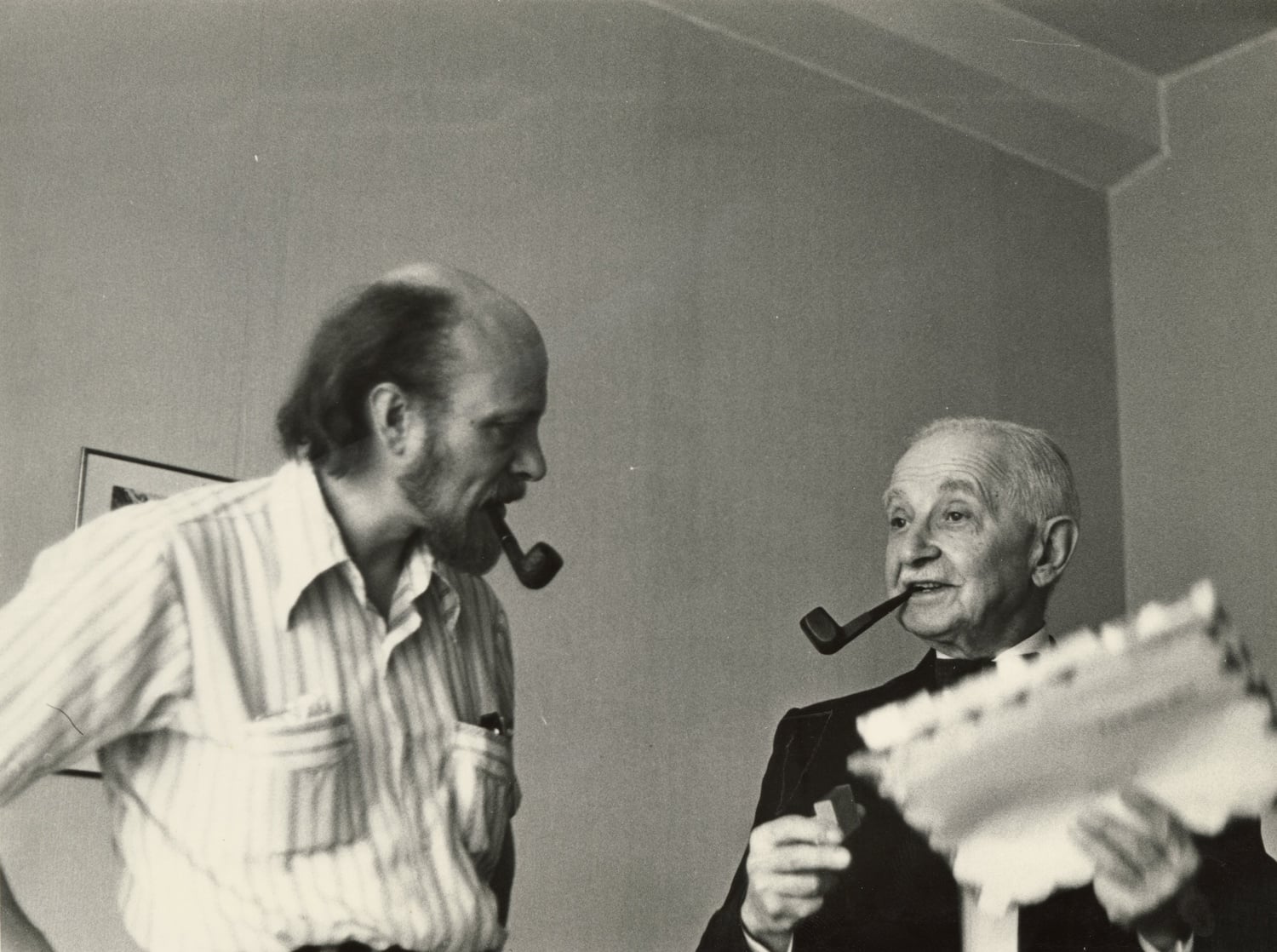
In 1974, despite protests from anatomists who valued access to his collection, Harvard and Yakovlev agreed that the collection would find a permanent home with the Armed Forces Institute of Pathology. Yakovlev moved his collection to Washington, D.C., where he continued conducting research until his death in 1983.
This final appointment led to “the best years of his life,” his daughter recalls. “Things were the way he wanted them, and he was free to work after that. He was just free to do his work without politics.” The collection remains near Washington, now under the National Museum of Health and Medicine.
Yet Yakovlev’s life work sits uneasily in history. Harrington questions whether the twentieth-century search for anatomical causes of psychiatric illness yielded much.
“Did he make the world a better place for suffering people? I don’t know, but probably no, it didn’t lead to new treatments,” she says.
Yakovlev’s collection has faded to obscurity, Harrington surmises, not only due to the “ethics of his approach to securing his human materials,” but also because it is uncomfortable for us to realize that “it didn’t add up to much, scientifically.”
Yet resources and space continue to be dedicated to the preservation of the slides. “Why do they still exist today?” Harrington asks. “Because it’s not quite clear what you do. You don’t want to just throw them in the dump.”
Dominic Hall, the current curator of the Warren Anatomical Museum collection, notes another reason: technology evolves. Tissues once considered scientifically exhausted can yield new data. Researchers today, for example, can extract DNA data from tissue stored in formalin — an advancement once thought impossible. Hall wonders whether a similar discovery could someday bring new life to the collection.
It remains, at minimum, a historical precursor to modern neuroanatomy.
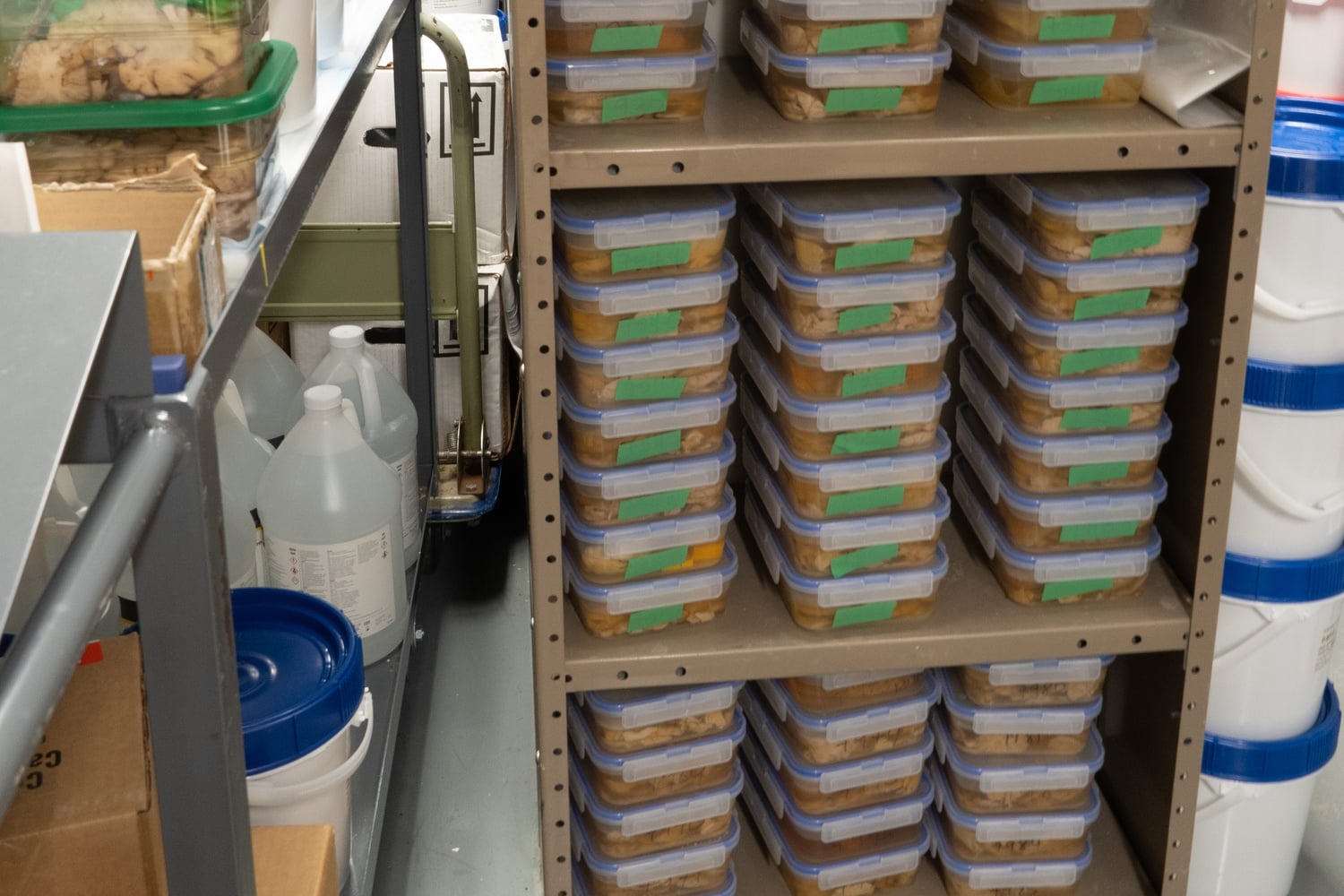
At McLean Hospital, the Harvard Brain Tissue Resource Center continues the work in a different form. Founded in 1978, shortly after Yakovlev’s collection left Massachusetts, the repository now operates within an NIH network, accepting donations representing “pretty much any brain disorder you can think of,” says its scientific director, Sabina Berretta.
The HBTRC’s processing equipment and specimens stacks are spread across two floors. A poster on one wall reads:“research takes brains.” Each year, they receive more than a hundred donated brains — and are offered many more than they have the funds to accept.
Like Yakovlev, the HBTRC aims to harvest the brains within 24 hours of death. A network of pathologists removes the brain; couriers transport it on wet ice in a simple lunch cooler; histologists begin preservation immediately.
Many of the repository’s techniques bear close resemblance to Yakovlev’s work. They fix specimens in formalin, slice them with a microtome, and store them in rooms of tupperwares and freezers. Their histologists also create thin, stained slides of small brain sections, allowing them to diagnose diseases like Alzheimer’s.
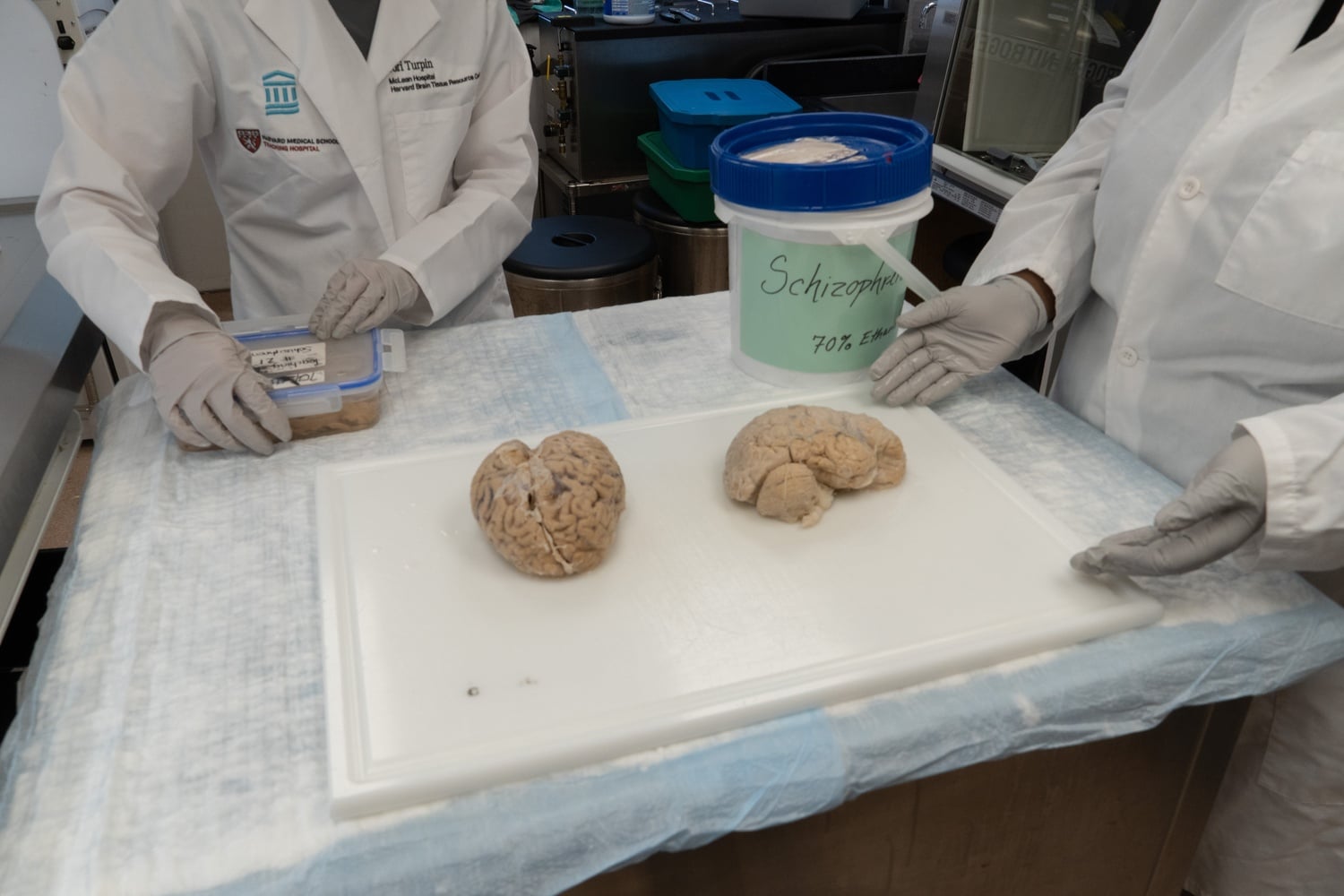
But unlike Yakovlev, the HBTRC operates at a distance from its donors. They avoid showing potential donors exactly what their brains will become, and the dissectionists who communicate with donors’ next of kin are rarely the oens handling those donors’ brains themselves. Donors often register with the Center before dying, and the HBTRC coordinators also confirm details of consent with the families.
Even without knowing the donors, slicing and storing human brains can be an emotionally draining task for some staff. Some dissectionists at the HBTRC find that having distance from the patients’ histories and mourning families makes the job more manageable. But Berretta finds the separation challenging. Psychiatric disorders, she says, shape memory, personality, experience — elements not easily reconciled with tissue under a microscope.
Berretta recognizes that the structural differences Yakovlev sought have largely failed to materialize. Instead, she searches at the molecular level, using powerful new technology to investigate disorders “cell by cell.”
Still, Berretta and the HBTRC embody many of the same faiths as Yakovlev — that every psychiatric disorder has a biological basis, and that human post-mortem brain collections contain important clues for finding them. In other words, they, too, believe that mental illnesses have physical causes.
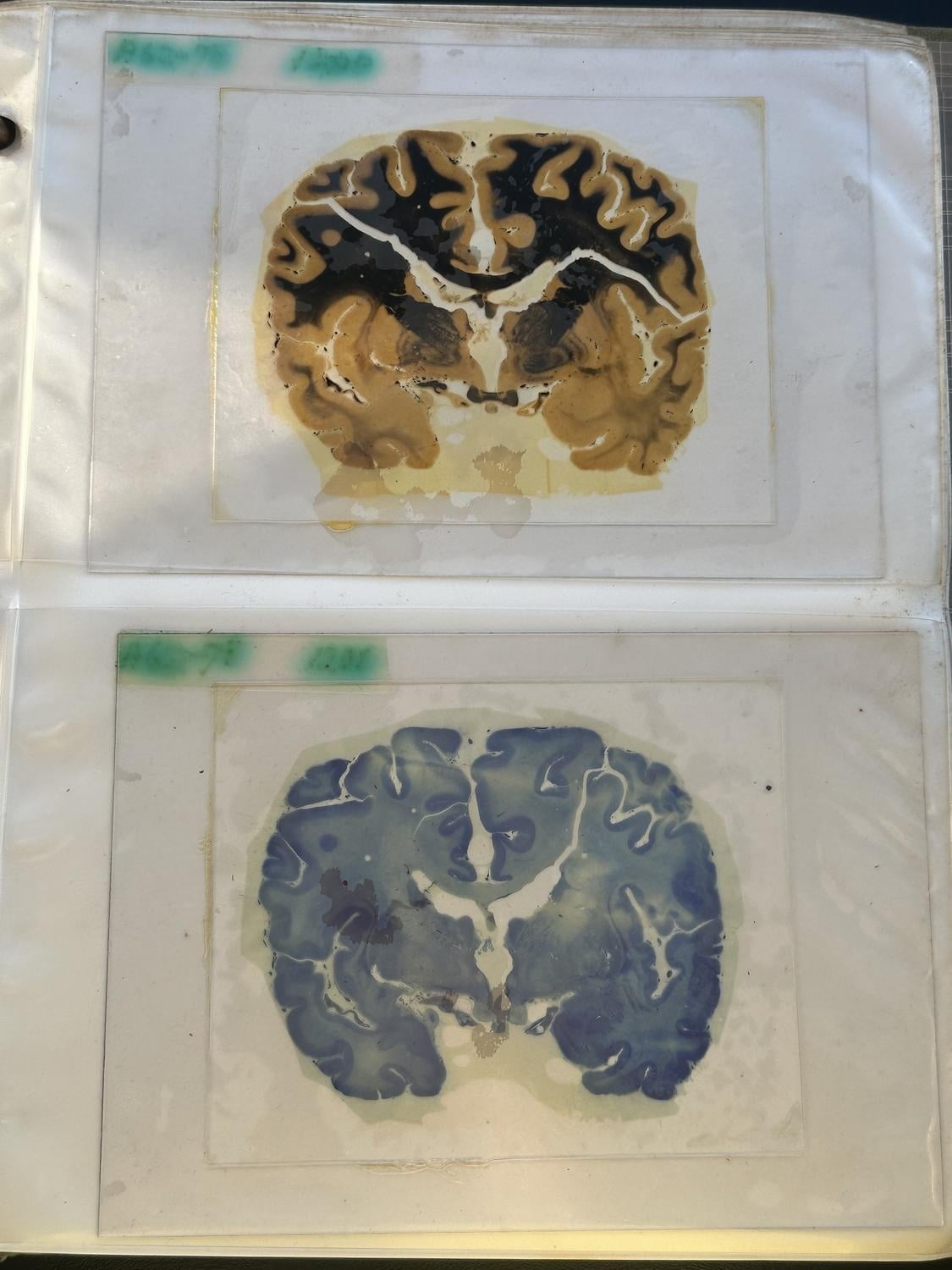
Unlike Harrington, Berretta considers Yakovlev’s slides “actually a really important collection” because they facilitated whole-brain observation. From a filing cabinet in her cerebrum-decorated office, she reveals a binder full of Yakovlev’s slides. This tiny portion of his collection was separated from the full set years ago and passed down among Harvard researchers.
Some of the slices are ripped from poor handling and uneven from a freehand cut. Each glass panel is labelled, but any identifying information has bled to the point of unreadability. The specimen in her hand may once have belonged to Frederick Vanosse or Mabel Moore.
We may never know.
Resurrecting Patients’ Humanity
ere miles from Berretta’s lab, two of the institutions where Yakovlev once lived and worked now sit abandoned.
Deinstitutionalization gained momentum alongside the Civil Rights Movement and led to sweeping hospital closures and reforms in medical care for patients with mental disabilities. The shuttering of state psychiatric hospitals is often framed as progress, but the systems meant to replace them remain fragmented, underfunded, and incomplete.
Alex Green, who wrote a biography on Fernald and was part of the commission that reopened its files, says reckoning with this history requires rejecting the comforting narrative that medicine simply improves over time. People with disabilities, he argues, “are not convenient for an evolutionary telling of history.”
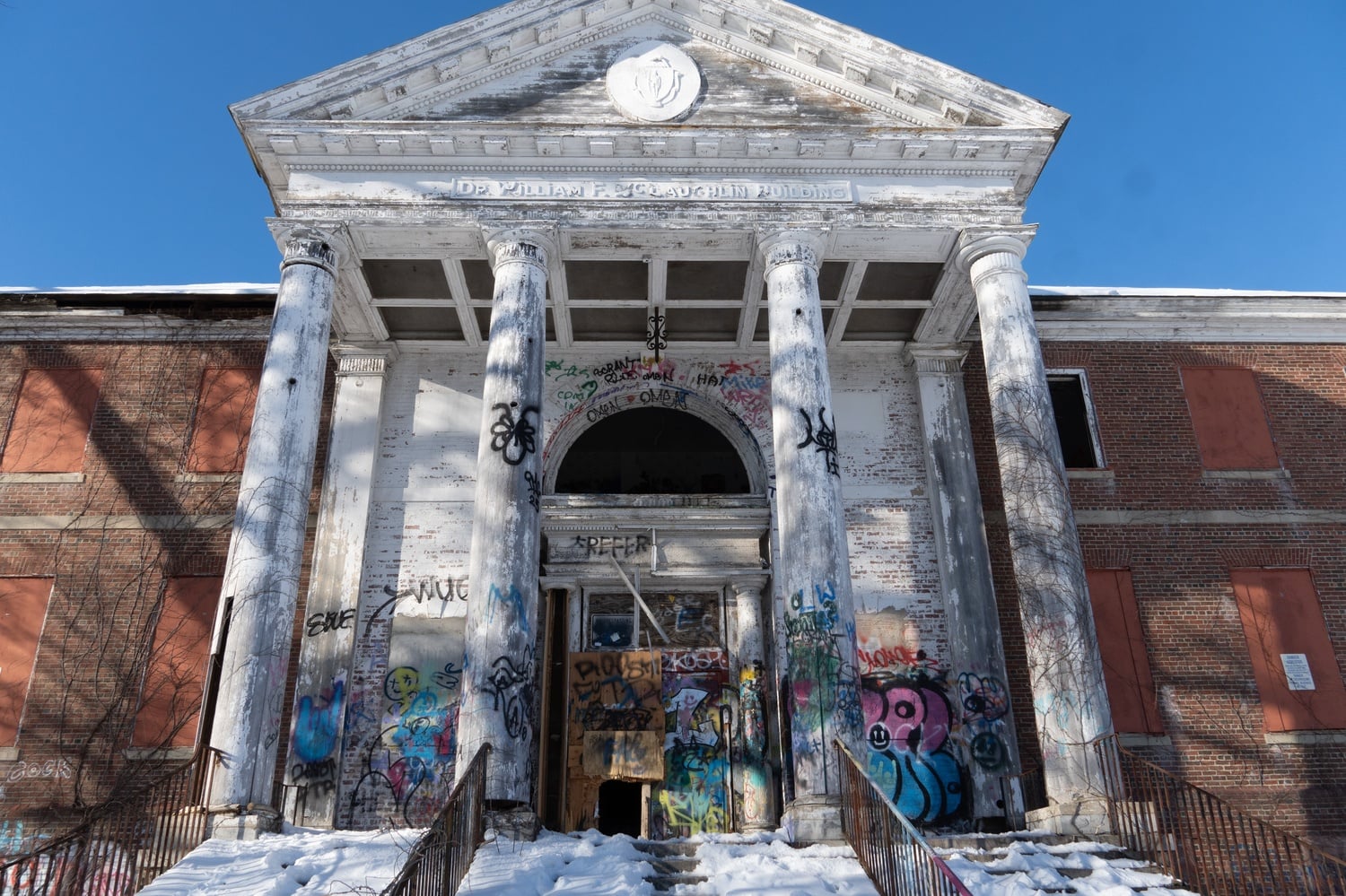
Fernald shuttered in 2014. When it did, thousands of patient records were left behind. Over the years, they were battered and scattered by weather and vandalism. Only after Green and others exposed this neglect were the buildings cordoned off.
This effort is part of Green’s larger mission to preserve and restore the histories of institutionalized individuals. He has championed efforts for years to uncover the identities behind anonymous patient graves in local cemeteries. In 2023, he authored legislation that created a “disability-led human rights commission” to report on the history of state institutions for those with mental health conditions.
This commission stands out as one of very few projects focused on recovering this history in addition to remedying it. Green says that too often, the management of historical remnants is left to academic committees — places where discussion can eclipse action.
Green and the other members of the special commission presented a set of recommendations to state officials this past summer. Among requests to restore neglected cemeteries and repeal outdated laws requiring unclaimed bodies to be donated to medical research, and expand access to institution archives.
As of November, everyone — archivists, activists, relatives, and student journalists — gained access to the records of institutionalized patients who have been dead for at least 75 years.
What disturbs Green the most is how little of the material he’s found in the files is strictly medical. Alongside treatment notes are childhood drawings and school assignments — fragments of ordinary life that are further evidence, he says, of these institutions reducing people to their status as patients.
Opening the archives is only a beginning. Green is working to write narratives of those once reduced to case numbers using the fragments of their lives he’s uncovered. To Green, choosing to once again see the individuals beyond their medicalization is a crucial step in addressing the enormity of this tragedy.
“Those files are an antidote to these skin slides and brain slides and human specimens collected by science and ripped from the physical being of the people,” Green says.
What, then, is to be done?
In a way, mortui vivos docent still applies. The dead teach the living. Once-forgotten patients live on in Green’s storytelling, Berretta’s molecular investigations, Hall’s curatorship, and Harrington’s historical reckoning.
And through each of their efforts, perhaps the living can teach the living, too.
Clarification: February 27, 2026
This article has been updated to clarify that the dissectionists who communicate with donors’ next of kin are not always the individuals handling those donors’ brains.
— Magazine Chair Kate J. Kaufman can be reached at [email protected].
Want to keep up with breaking news? Subscribe to our email newsletter
Have a tip for The Crimson? Share it confidentially