Harvard College Pakistan Trek Postponed After Departing Flight Canceled Amid Middle East Conflict
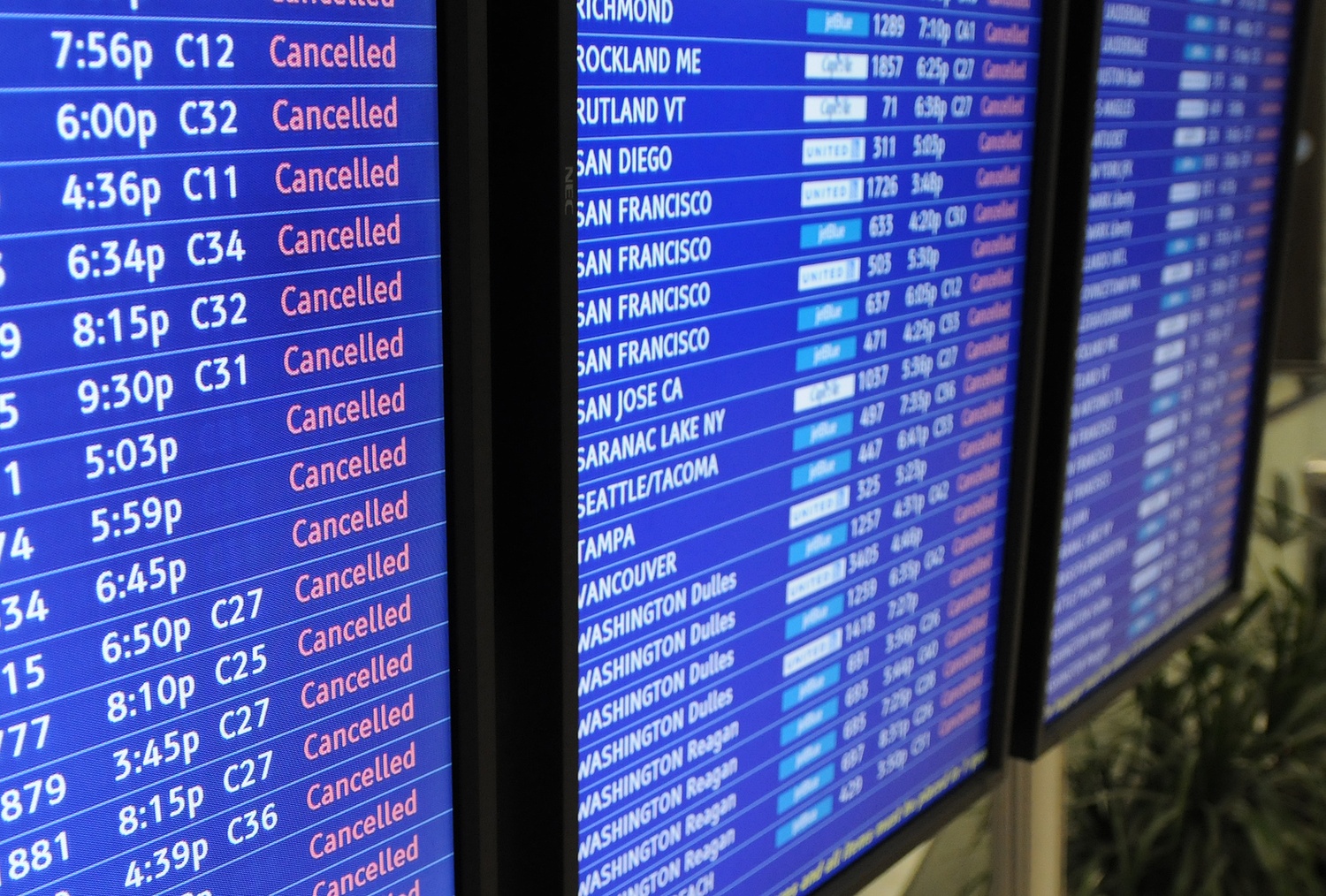
The Harvard College Pakistani Student’s Association third annual Pakistan Trek was postponed Tuesday after the group’s departing flight from Boston was canceled amid the escalating conflict in the Middle East.
The week-long trip — which had drawn 34 students set to visit the country over spring break — was called off in accordance with guidance from travel agencies, airlines, and Pakistan’s Trek’s partners on the ground, said Muhammad S. Atif ’26, one of the group’s organizers.
Tens of thousands of flights to the Middle East and South Asia, including Pakistan, have been canceled over the past week following U.S. and Israeli strikes across Iran, which shares a border with Pakistan to the southwest. Six Gulf countries surrounding Pakistan have also experienced Iranian missile and drone attacks in recent days.
According to Atif, the group had originally attempted to secure alternative flights, but organizers were reluctant to split attendees across different airplanes. An influx of travelers departing the U.S. for Pakistan during the Muslim holiday of Eid also complicated rebooking efforts.
As of Tuesday, it remained unclear whether the trip would be rescheduled for later in the semester or scrapped entirely.
“It’s pretty early for us to comment on whether it’s been canceled for the year or if it’s just been postponed,” Atif said.
The Trek is now tentatively projected to take place after spring break, though Atif said the situation remained fluid.
Get The Crimson in your inbox.
“We’re still figuring logistics out,” he added. “Every schedule is pretty dynamic right now.”
When asked about financial reimbursement for students and the logistical costs of rescheduling, Atif said organizers were “still working on specifics,” emphasizing that attendee safety had been the group’s primary concern.
“The utmost priority was making sure that everyone makes it to the Trek safely,” he added.
The Trek typically requires a $500 deposit prior to departure, and total costs can reach up to $2,000 depending on students’ financial circumstances. Atif said that 90 percent of this year’s cohort received partial or full financial aid, and that most students paid less than a quarter of the total trip cost.
Prior iterations of the Pakistan Trek have also contended with political uncertainty. Last year, the Trek proceeded with 30 students despite a predicted travel ban on non-U.S. citizen travelers from Pakistan under the Trump administration.
This year, attendees were slated to visit Old Lahore and the Shalimar Gardens and meet with current prime minister Shehbaz Sharif and Chief Justice of Pakistan Yahya Afridi.
Atif said the Trek aims to offer a fuller picture of Pakistan and that organizers are determined to find a path forward.
“The people who are organizing this Trek — including me — we grew up in Pakistan,” he said. ‘The goal was to show people the real side of Pakistan that transcends headlines.”
—Staff writer Theresa F. Bartelme can be reached at [email protected] and on Signal at theresabartelme.15. Follow her on X @theresabartelme.
Want to keep up with breaking news? Subscribe to our email newsletter
Have a tip for The Crimson? Share it confidentially