Joining a New Team: Leaving Collegiate Sports to Enter the Workforce
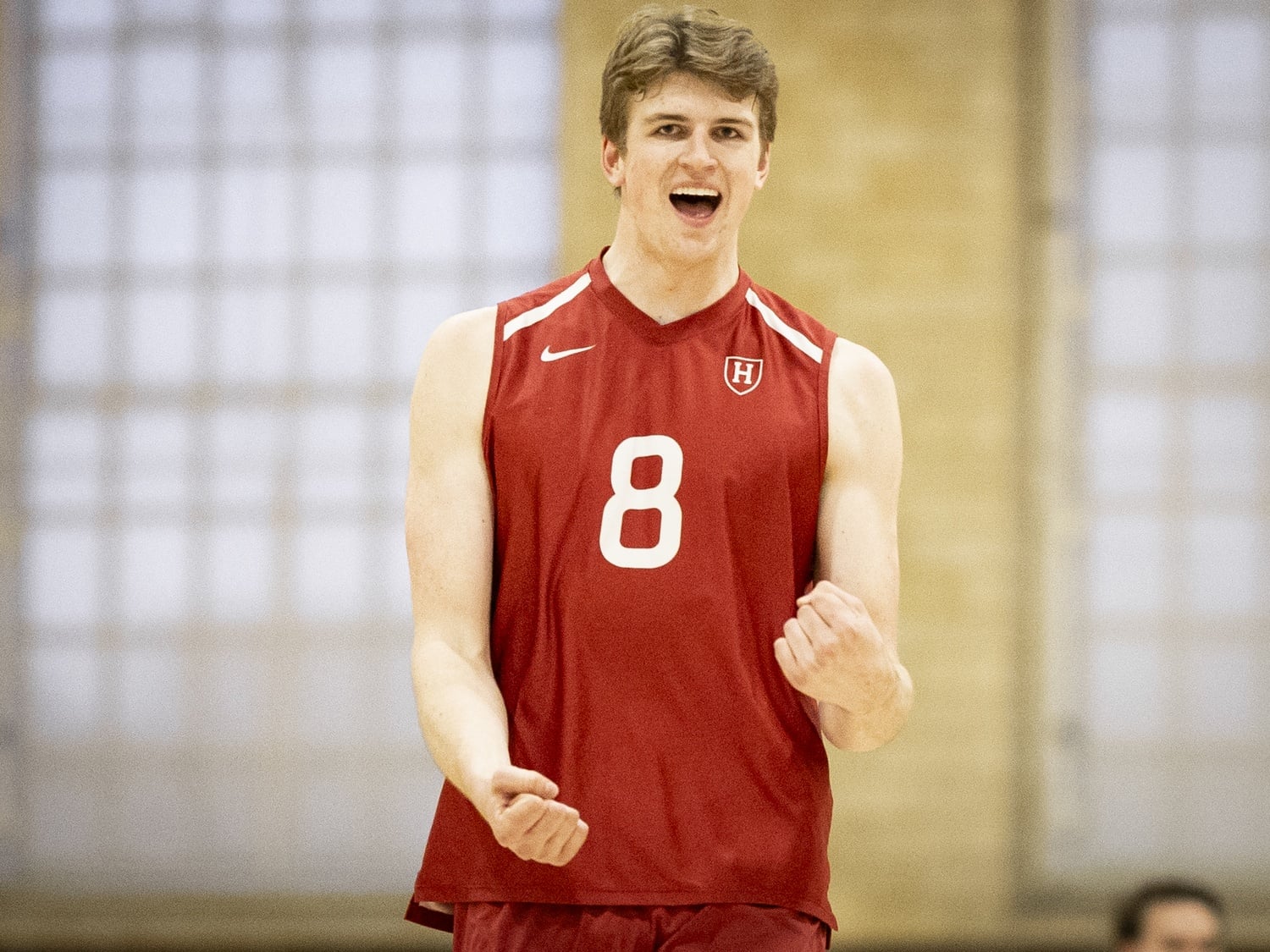
Graduation is a bittersweet ending for most Harvard students — no more homework, but at the cost of being separated from friends. For most athletes, graduation serves as the end of structured, competitive sports.
The college experience of a student-athlete is often defined by their sport, which typically determines what they eat, how much time they have to study given intensive practice schedules, and the social life they can maintain.
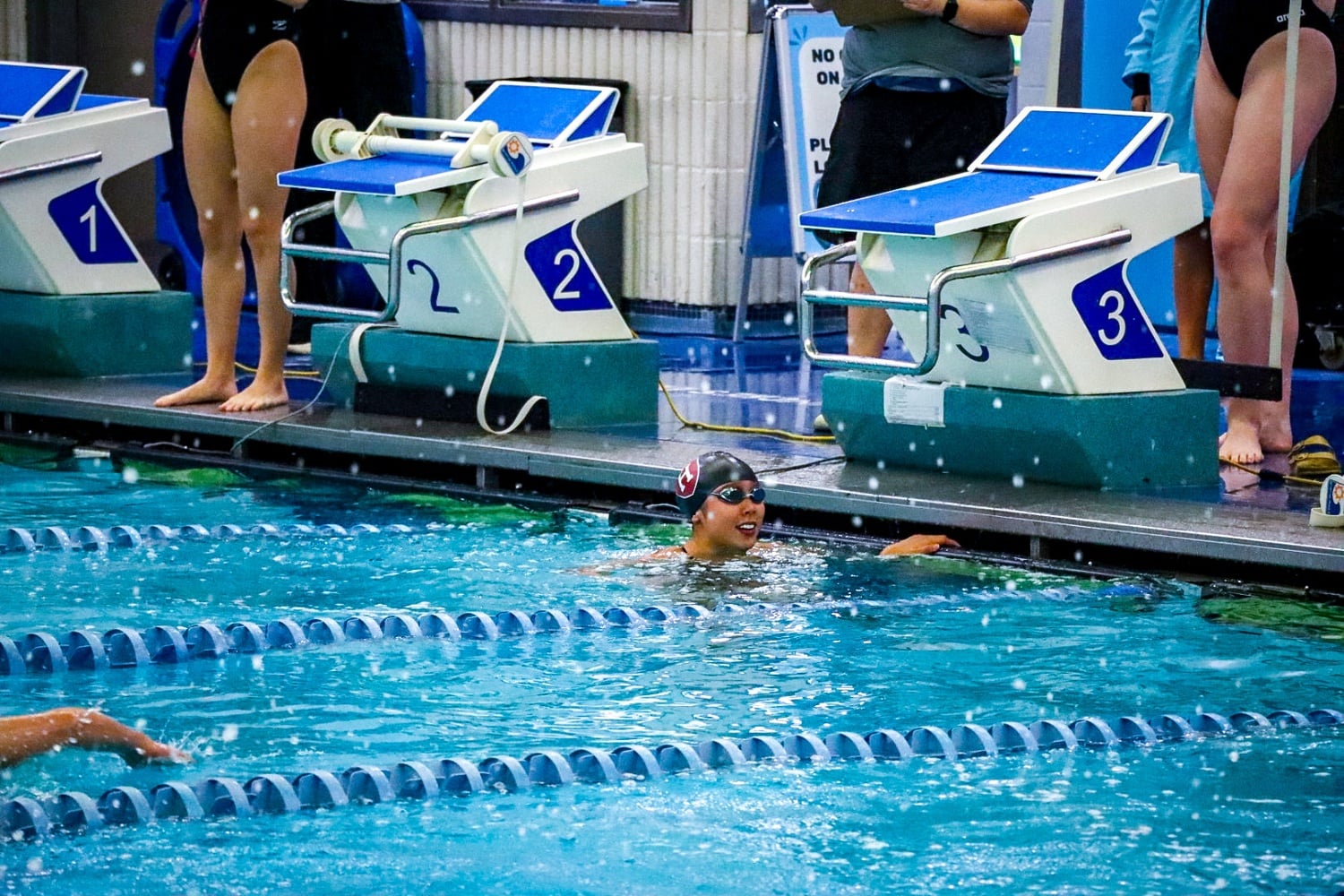
This commitment to their sport, however, often starts long before college. Sydney Lu, a senior on the women’s swimming and diving team, said she has been swimming for 17 years. Like most collegiate athletes, Lu does not plan to pursue her sport professionally after graduation, which means that commencement will mark the end of the central role that swimming has played in her life.
Reflecting on her time as a Harvard athlete, Lu immediately mentioned that she would miss the people most. The constant interaction between teammates creates opportunities to build bonds that are hard to replicate outside of a competitive team environment.
“Every single year, I knew that the team would lead me to even more best friends,” she said.
“There is no feeling quite like being in a ready room, and you hear your teammates calling your name from the outside,” Lu said, referencing the unique atmosphere and energy of sports.
Brian Thomas, captain of the men’s volleyball team, echoed Lu’s sentiment, discussing the sad feeling of stepping away from organized sports.
“I am really going to miss the sport,” Thomas explained. “Volleyball has been such a huge part of my life these last eight years.”
“It does feel kind of like it’s time to step away, let the young guys kind of step up, and take on new leadership next year,” Thomas added, despite the sadness of leaving the Malkin Athletic Center.
This readiness to leave collegiate athletics reflects how graduation can serve as an emotional and meaningful transition in athletes’ relationships with their sport.
Given the love many athletes have for their sport, leaving the collegiate space does not mean they completely walk away from competition. In fact, there are a variety of ways they stay connected and give back to a program that defined their formative college years.
Thomas explained that he plans to join adult volleyball leagues and continue to play whenever he has the opportunity. Leaving the competitive arena offers an opportunity to play on a more flexible schedule instead of the several hours a day typically expected of a collegiate athlete. Outside of playing, he plans on coaching as well, whether that be high school players looking to improve or club teams.
Beyond engaging with the sport off of Harvard’s campus, athletes also tend to stay connected to their teams after graduating, especially in the first few years, given their relationship with the coaching staff and fellow athletes.
Lu said she plans on continuing to attend as many swim meets as she can. Given she will be in New York City post-graduation, there will be plenty of opportunities to support her former teammates at various meets, including the renowned Harvard-Yale-Princeton meet.
The connection to the sport, even beyond the competitive level, seems to provide a built-in hobby and passion that persists for many years; an opportunity to bond with others over a shared interest, remain in shape through recreational play, and contribute to the sport by training and developing the next generation. The sport is a deeply embedded part of an athlete’s identity, and, even after graduation, the connection is difficult to shed.
Despite staying connected to the sport, the reality is that what was once the center of an athlete’s life becomes a secondary focus once they enter the workforce, especially in jobs with demanding hours.
On the surface, the process of landing a job appears more difficult because of busy schedules that might limit their availability to attend networking events or requirements to practice over the summer that could hinder internship aspirations. However, athletes at Harvard are offered unique opportunities that help to counteract these challenges.
Thomas said the possible disadvantages are “more than canceled out by all the connections and networking opportunities that being a member of the Varsity Club opens up.”
These include LinkedIn groups dedicated to former Harvard athletes, as well as exclusive events and dinners with companies.
Just like Harvard’s broader student body, Crimson athletes tend to enter into a variety of industries, including finance, law, medicine, and technology.
For instance, Lu discussed her plans to enter investment banking after graduating. When describing her motivation for choosing her career, she said she wanted a challenge. Lu said that she wanted to do something difficult for the first few years of her career, especially since she is accustomed to a demanding training regimen that often required practices every day of the week.
Even after entering the workforce, former student-athletes continue to benefit from opportunities to network and build relationships with other athletes. In addition, their experiences equip them with teamwork skills and the ability to navigate adversity.
Lu perceives those benefits as extending to one’s personal life, including knowing “how to mess up and pick yourself up.” The constant pressure and failure that a student-athlete faces due to inevitable poor performances, slumps, and possible teammate conflicts develop into resiliency that is portable across life.
In many ways, leaving collegiate sports is not an ending, but rather a transition. While the competitive aspect of Harvard student-athletes’ careers is in the rearview mirror, the connection, relationship, and love for the sport remain. Sports may not dictate their schedules anymore, but athletics will continue to shape who they are.
Want to keep up with breaking news? Subscribe to our email newsletter
Have a tip for The Crimson? Share it confidentially