Harvard College Has Built Out Its Conservative Outreach. The Reception Is Divided.
Harvard College has spent two years trying to engage conservative undergraduates through new events, policies, and outreach — but students remain split on whether the effort is substantive change or just administrative damage control.
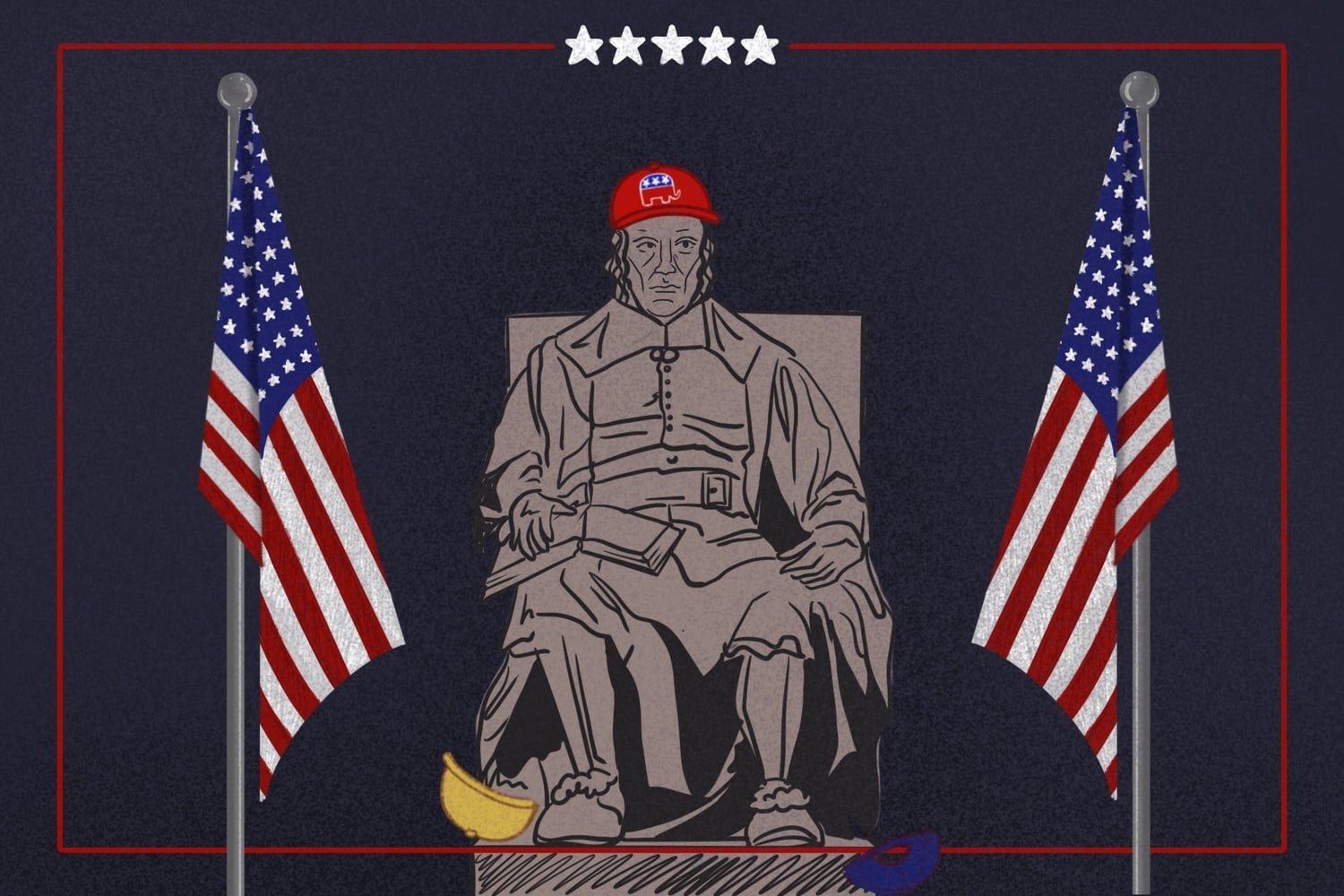
For his first two and a half years at Harvard College, Daniel Patel ’27 kept his conservatism to himself.
“Quite frankly, I was a little bit scared to even explore, or acknowledge publicly, that I am a conservative,” Patel said.
That changed in March, when a friend pressed him on why he was reluctant to share his views and suggested he start writing for The Harvard Salient. The friend was Jason Morganbesser ’27, the publication’s managing editor. Within two months, Patel’s name appeared on three Salient bylines — more than any other staffer besides Morganbesser himself.
The reception inside the Salient was not the part that surprised him.
After his first article ran under his own name — a piece criticizing the Harvard Republican Club’s board after it made a post attacking the Harvard Islamic Society’s Eid al-Fitr celebration — a handful of administrators emailed him directly to say they had read it, he said. Harvard’s Muslim chaplains linked to the piece in an email condemning the HRC post and praised the Islamic Society leadership behind it.
His roommate, who is far-left and had never thought much of the Salient, told him he disagreed with the Reaganism argument but liked the piece, according to Patel. He said other classmates approached him with similar reactions.
“It’s quite amazing how much of a concentrated effort there is towards viewpoint diversity,” Patel said. “Both in class and publicly, which I think is quite nice,” he added.
Patel is, in many ways, the student the College has spent the past two years trying to reach. Through a slow accumulation of meetings, course initiatives, and policy changes, deans have made conservative undergraduates a priority — even as the Trump administration has demanded the College pursue viewpoint diversity on the terms the White House has set.
The Crimson spoke with more than two dozen students, faculty, and administrators about the past year of these efforts. Many described an institutional project that does not match what the conservative students it most visibly engages have asked for, and a debate, among conservatives themselves, over whether what the College is offering counts as the right kind of change.
The Slow Build
Get The Crimson in your inbox.
The College’s outreach to conservative students grew out of a problem deans had been hearing about for years but had not built a coordinated response to.
By 2022, Dean of Undergraduate Education Amanda E. Claybaugh said, faculty in her office had begun telling her they weren’t able to teach the courses they wanted to.
“I was hearing from faculty that they could no longer teach the kinds of courses they wanted to teach because they were afraid that they would be canceled if they said the wrong thing,” Claybaugh said. “Students saying, we came here to learn from people who were different from us, and nobody talks about anything.”
The College’s response accumulated piece by piece. A Democrats-versus-Republicans debate was added to Visitas in 2023. The Intellectual Vitality Initiative, spearheaded by then-Dean of the College Rakesh Khurana, launched publicly in 2024. In 2025, the student handbook was amended to prohibit grading on the basis of student beliefs, and the FAS adopted a non-attribution policy modeled on the Chatham House Rule.
And since last summer, top University officials have approached donors about endowing $10 million professorships earmarked for “viewpoint diversity.”
Some of the work was underway before the Trump administration’s April 2025 demand letter to the University, which ordered the College to submit to a third-party audit of viewpoint diversity. Claybaugh said the federal pressure had made the project harder, not easier, to defend.
“Once it gets conflated with, wait, are you doing this to please Trump, you start losing people,” she said. “And that’s been tough.”
Dean of Students Thomas G. Dunne dates his own office’s contact with conservative student groups to fall 2024, when his staff began working more directly with the Harvard Republican Club, the Harvard College Democrats, and Harvard Votes Challenge in advance of the presidential election. The relationships, he said, carried into the new academic year and shaped the planning for the events that would follow.
The most visible of those events arrived by accident. On Sept. 12, 2025, Dunne hosted a gathering at his Cambridge home for right-leaning student groups. The event had been planned over the summer. Two days earlier, the conservative activist Charlie Kirk had been killed.
When College Dean David J. Deming arrived, a student in the room handed him a microphone.
“It’s not like we knew that was going to happen to Charlie Kirk,” Deming said. “I focused my comments on helping students through the grieving process. It wasn’t so much about Charlie Kirk in particular. It was that here’s a person who many of you looked up to, and I know you’re grieving.”
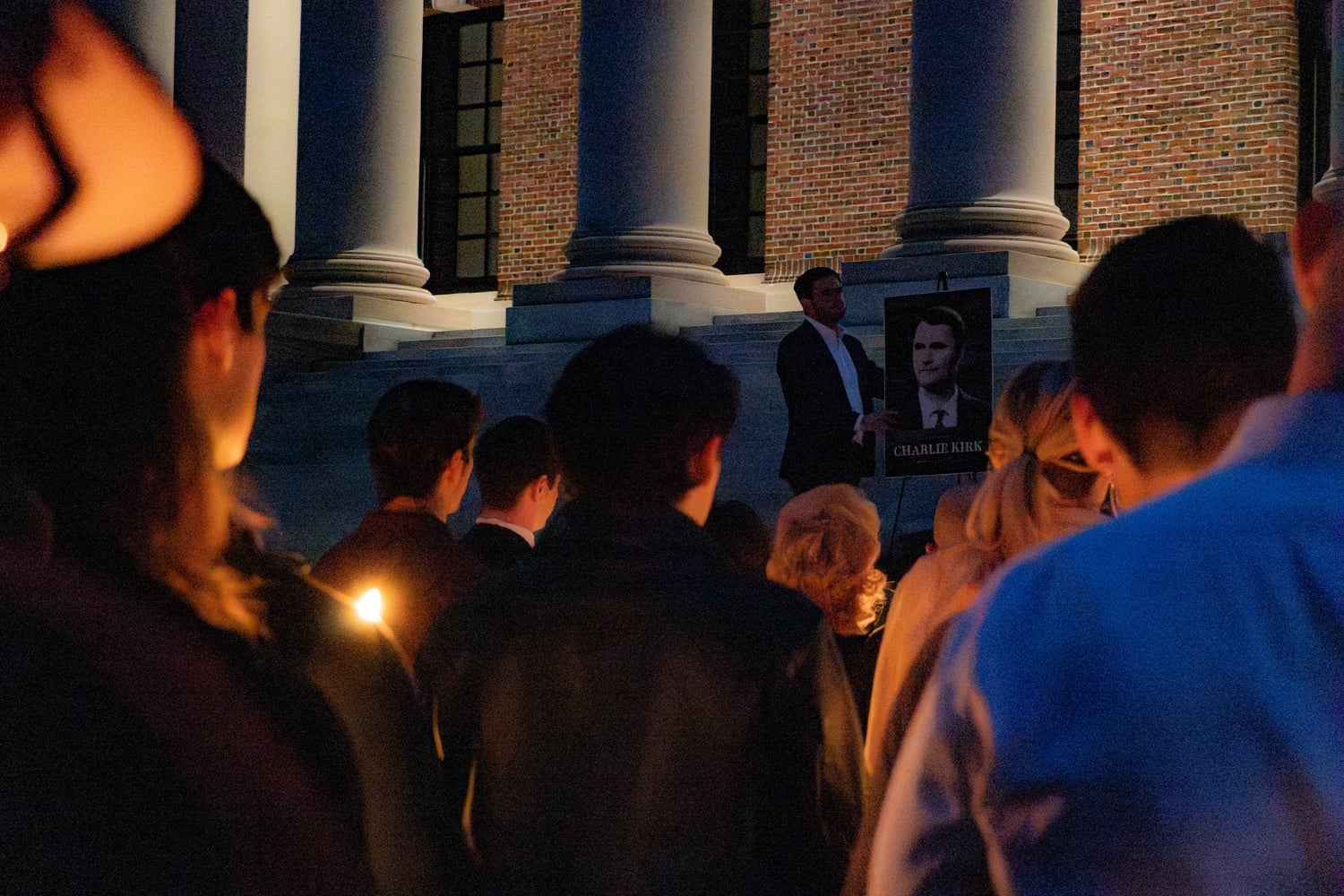
Some conservative students reached out to Deming afterward to thank him for the remarks, he said, and he began forming relationships with students he had not known before. He said he had not intended the speech as a political gesture.
“I really do just view it as my obligation as dean to support all students regardless of their points of view,” Deming said. “I take that really seriously.”
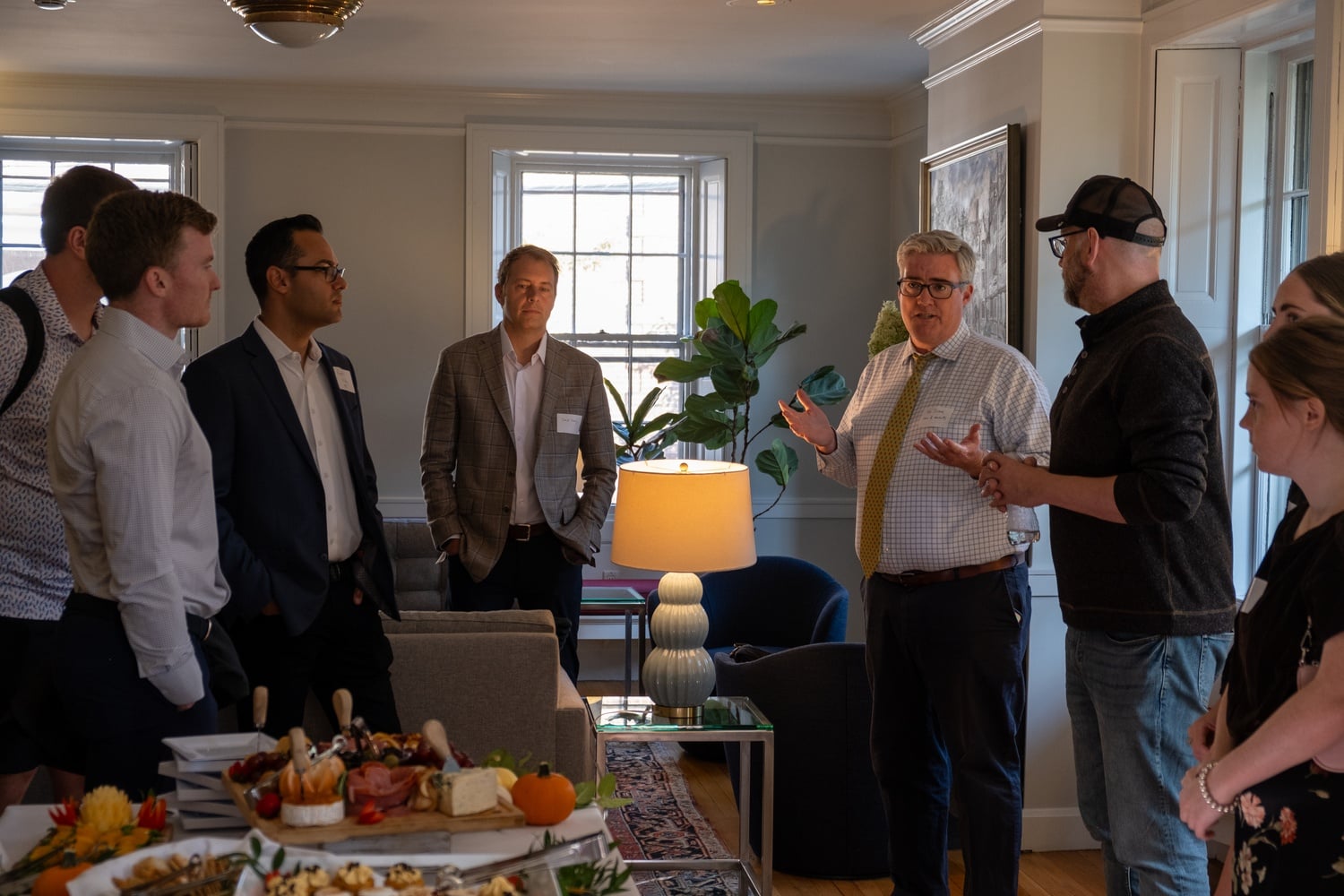
Dunne’s house had been the site of an earlier overture. He had hosted a smaller party which several conservative student leaders attended, and then told Claybaugh the two of them should meet with the group directly. She agreed.
Across the summer, the two deans held a series of Zoom calls with leaders from across Harvard’s conservative student organizations. Claybaugh said she had used the conversations to ask the students about their academic experiences, while Dunne focused on their social ones.
But the conversations did not land where the students wanted them to.
The Impasse
The group, called the Summer College Conservative Committee, had been assembled by Evan J. Doerr ’28 — co-chair of the IOP’s Conservative Coalition — and brought together roughly eight student leaders from right-leaning organizations on campus.
The committee produced three formal sets of recommendations, on academics, co-curricular life, and residential life.
The purpose, Doerr wrote in a statement, was “to identify and remove some of the progressive, ideological tentacles nestled in the College and to make the campus more hospitable to conservative students and thought.”
The academic document called for an interdisciplinary institute dedicated to conservative thought, the hiring of faculty in conservative intellectual traditions, an end to faculty diversity statements, and Q guide reforms to flag courses that fail to “make students feel comfortable expressing their views on controversial topics.”
The residential document urged the newly formed Office of Culture and Community to establish a “transparent, public-facing process” for removing what Doerr called “ideologically captured programs and materials” from campus housing. It also called for the restoration of single-sex bathrooms in Houses, the recognition of American holidays and religious traditions in residential life, and a student advisory board for HUDS dining decisions.
Claybaugh said the proposals came up against the limits of how the College could respond. The students were asking Harvard to begin hiring conservative faculty, a proposal she did not view as feasible.
“That’s not how we hire,” she said. “We don’t ask people about their political affiliations.”
Despite declining to advocate for the proposal, Claybaugh offered to explain to the students how to make their case to administrators who could act on it.
“It’s still my job to help them understand how to do that effectively,” she said.
The conversations did, however, shift Claybaugh’s sense of where the College could meaningfully act.
“I came away with the sense of we need to be offering more courses that are attractive to conservative students,” Claybaugh said. “That’s what I’ve been working on independently.”
Doerr was less enthusiastic in his assessment of what the meetings produced.
“After some good-faith conversations on our part, nothing substantive resulted from the recommendations we provided,” he wrote.
Richard Y. Rodgers ’28, the former editor-in-chief of The Harvard Salient and a Navy veteran who took part in the meetings, claimed the University’s posture was “more cosmetic than substantive,” designed, in his view, to allow administrators to point to engagement with conservatives without altering Harvard’s intellectual culture.
The deeper problem, he argued, was that Harvard had no serious institutional account of conservatism as an intellectual tradition.
“It can manage conservative students as a constituency, and it can tolerate conservative speech as a procedural matter,” Rodgers wrote. “But it has not yet shown that it can engage conservatism as a serious moral, political, theological, and civilizational inheritance.”
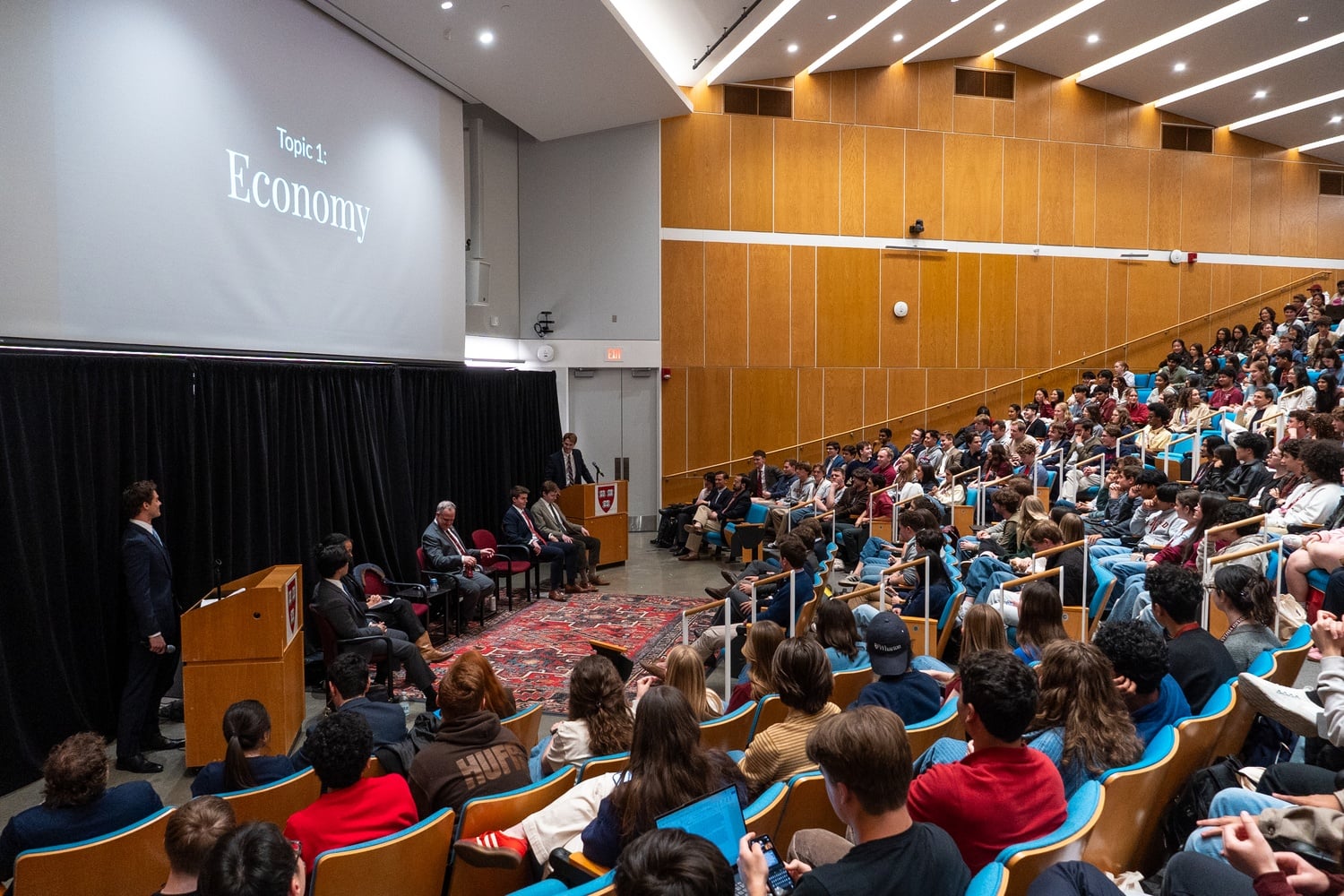
Justin D. Dunning ’28, co-chair of the Conservative Coalition, made the case for endowed conservative professorships in numerical terms. He pointed to the demographic gap — under ten percent of FAS faculty identified as conservative in The Crimson’s most recent survey — as evidence that the change has to happen at the level of hiring.
“Getting some conservative faculty, especially in the Government department, at least, or the History department, or these more humanities-based departments, is going to be important,” Dunning said. “Not that I want them to even go in and teach a completely right-leaning class. I just think it balances the conversation better than having very known liberal professors teach their syllabi.”
A Divided Camp
Not every conservative who has engaged with the College’s outreach is convinced hiring is the answer.
Jerome A. “Jerry” Comar ’29, co-founder of the Concord Institute, called it “affirmative action in a clandestine way.” The deeper problem, he said, is not who is teaching but how class is taught.
“Professors weigh in with their own political opinions as if they are fact, and if you are a student, you are trying to get a good grade,” Comar said. “There is a power imbalance. So how do you get a good grade? You basically just re-articulate the professor’s opinion.”
Jordan Schwartz ’27, who helps lead several political groups on campus, said the deans should not be in the business of hiring based on professor’s beliefs in the first place.
“A professor shouldn’t be hired on the basis of their ideology,” Schwartz said. “It shouldn’t be that difficult for liberal or moderate, or wherever you fall on the political spectrum, professors who already are there to be able to facilitate these dialogues.”
Anthropology professor Jason A. Ur has reached a similar conclusion from his own classroom.
“I wouldn’t advocate that we should hire conservative anthropology professors,” Ur said. “We should advocate within ourselves to make sure that, despite our own personal leanings, if a conservative student is in our classroom, they are comfortable expressing their opinions.”
Ur said he had come to recognize how often he failed to do that.
“I’m more aware than ever that there are lonely conservative voices that don’t show up until I read the Q evaluations at the end of the semester,” he said. “At which point I realized somebody felt a different way about an issue, and I’m only learning about it now after my grades are submitted.”
The College has tried to chart its broader progress toward intellectual openness through student surveys, drawing on data from the Edmond and Lily Safra Center for Ethics on how much students said they self-censored in class. Dunne said student perceptions were beginning to move in a direction the College thought was closer to its aspirations.
Some students said their own classroom experiences told a different story.
Carlo A. Villandi ’28 said the pressure in his classes was subtler and tied to how sections are graded.
“In humanities courses, your TF that leads your section also grades your papers, and I think people tend to reflect what the TF says,” Villandi said, adding that he preferred classes where teaching fellows kept their own views invisible.
Government professor Jennifer L. Hochschild teaches a Gen Ed called Race in a Polarized America that she designed years ago around the premise that race is too contested to teach as settled. She runs anonymous polls during lecture, asking students to mark positions on questions where she expects disagreement.
“A quarter to a third of the responses — I don’t know if they were the same students or not — would regularly express the conservative position on whatever question the poll was asking about,” Hochschild said. “Trying to use the Poll Everywhere is a way of having all students both recognize that there is genuine diversity in this classroom and to give people a chance to express why they disagree with the majority or support the majority.”
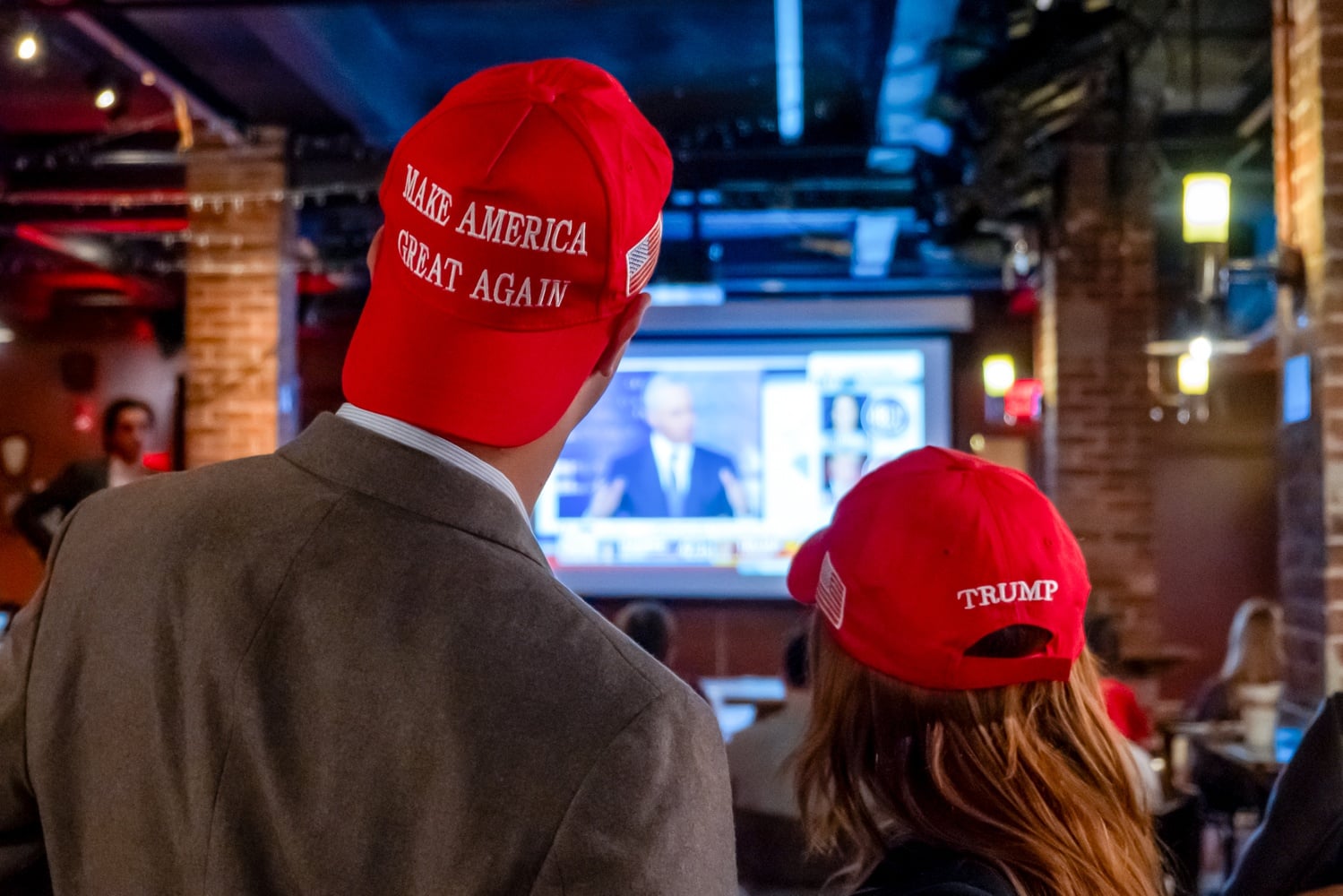
For Patel, the changes have arrived in time to matter. He said the response his writing has drawn from faculty and from people whose politics differ from his own has given him a footing he did not have before.
Asked what he thought was driving the College’s push, he paused.
“In all reality, it’s probably a mix of all those things,” he said. “But I like to think that Veritas is the reason for a lot of this push.”
—Staff writer Julia A. Karabolli can be reached at [email protected].
—Staff writer Samuel S. Rudavsky can be reached at [email protected]. Follow him on X @samrudavsky.
Want to keep up with breaking news? Subscribe to our email newsletter
Have a tip for The Crimson? Share it confidentially