A Tale of Two Commencements
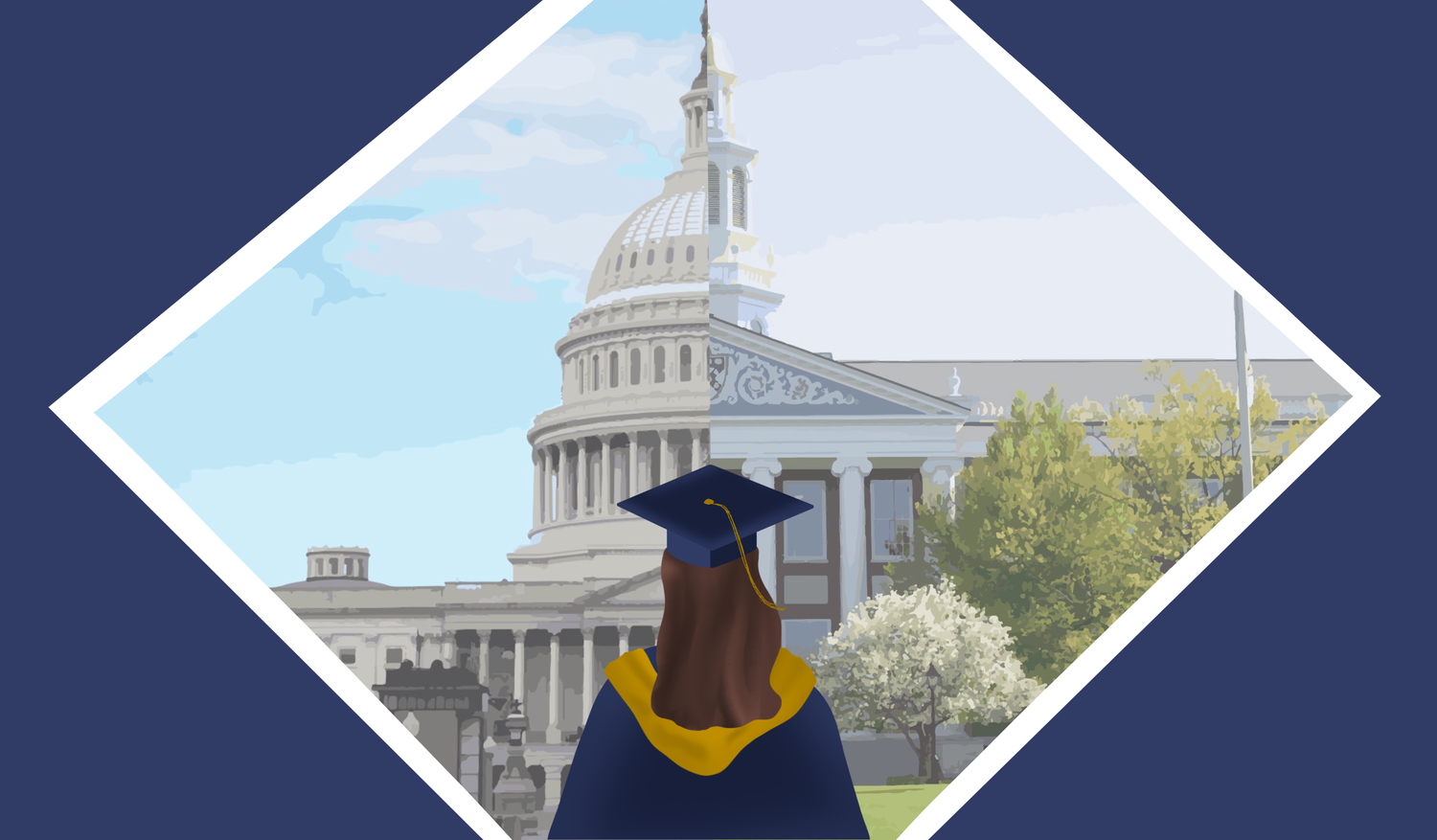
At Commencement in 2024, roughly more than 1,000 people walked out, protesting the University’s decision to deny degrees to 13 seniors at the College for their involvement with the pro-Palestine encampment in Harvard Yard. Attendees booed Harvard President Alan M. Garber ’76 as he delivered his remarks; the mood was fractious, unsettled, divided.
Just a year later, at Commencement in 2025, the contrast couldn’t have been sharper. By then, Harvard had weathered months of illegal attacks from the federal government, including the freezing of billions in research contracts and an attempt to bar international students from enrolling. The University, at the urging of faculty, students, alumni, and the Cambridge community, had opted to fight back in court. Garber received an extended standing ovation; the mood was defiant, empowered, unified.
As you think about what you want the story of 2026 to be, it might be useful to consider some takeaways from this tale of two Commencements.
For starters, Harvard, far from being an isolated ivory tower, is profoundly embedded in the world around it. That world is full of opportunities for your own self-advancement, as you will have appreciated during your time here. But it is full of other things, too: war, genocide, and authoritarianism, as well as social movements, dissent, and resistance. You aren’t just entering the “real world” for the first time as graduates — you’ve been in it the whole time.
Take a moment to reflect: Are you satisfied with how you’ve engaged with the wider world during your years at Harvard? Did you dive in, or look away? To what advantage, or at what cost?
Second, as the Trump administration has made so clear, universities are central to our era’s contests over politics and power. Institutions of higher learning have come under new forms of assault in recent years, even as the claims undergirding this onslaught, such as the assertion that universities are too liberal, are decades old and empirically questionable.
Do you care about multiracial democracy, about science and public health, about gender equity, about free speech? Then you care about universities. And it’s vitally important that you keep caring about universities, even as you’re leaving this one.
As alumni, you become part of a voting constituency that elects the Board of Overseers, one of Harvard’s powerful governing bodies. Paying attention to these elections, voting in them, running for a position yourself — all are ways to stay involved in the ongoing struggles over the fate of U.S. higher education.
Third, the tale of two Commencements poses the question: should we punch up, or punch down? Should we accommodate the demands of the powerful, or should we fight for those in more precarious positions than our own?
Attendees walked out in 2024 because University administrators had cracked down with disproportionate and atypical severity on students who had peacefully protested what they saw as the signal moral issue of their time. Conversely, attendees cheered in 2025 because the University had taken a stand — in defense of the entire higher education sector — against the federal government’s unconstitutional abuses of power.
There’s a life lesson there: When we act against injustice with courage and conviction, it will resonate, and make a real difference.
The story of this year’s Commencement, however, will likely be less clear-cut than the last two.
On the one hand, Harvard is still opposing the Trump administration in court, having thus far sidestepped calls from big-ticket donors to cut a deal that could sacrifice institutional autonomy and academic freedom.
On the other hand, Harvard looks more like what the Trump administration wants than it did a year ago, having discontinued or rebranded diversity, equity, and inclusion initiatives, centralized student discipline, removed the leadership of academic units that hosted programming on Palestine, and begun a new campaign ostensibly to bring in conservative faculty under the auspices of “viewpoint diversity.” A strike by the Harvard Graduate Students Union-United Auto Workers remains ongoing, with no obvious sense of urgency from administrators in seeking a resolution. And aside from the union’s picket lines, protests have largely disappeared from our campus — repression works, after all.
And this isn’t just about Harvard, since we’re hardly the only institution that’s been targeted. Rather, it’s a battle for control over higher education writ large, designed by right-wing think tanks like the Heritage Foundation. In states like Florida, Texas, and Indiana, politicians have installed loyalists as college presidents and trustees, banned DEI programs, and restricted how professors teach race, gender, and inequality. Proponents openly describe this strategy as a blueprint intended for wider use.
This is why it is helpful to remember that Harvard isn’t separate from the wider world. We aren’t immune from the global rise of authoritarianism and its stultifying effects on democratic culture, nor from the astonishing concentration of wealth and power in the hands of a few, nor from how a longstanding crusade to reshape universities has embedded itself at the highest levels of government.
Having been students here during these tumultuous years, you’ve received a robust parallel education in the stakes of the ongoing battle to determine the future of American universities, and by extension the future of American democracy. Your challenge, and your responsibility, is to find a way to use it.
Kirsten A. Weld is a professor of History and the president of the American Association of University Professors-Harvard Faculty Chapter.
Want to keep up with breaking news? Subscribe to our email newsletter
Have a tip for The Crimson? Share it confidentially