Harvard’s Transplant Problem
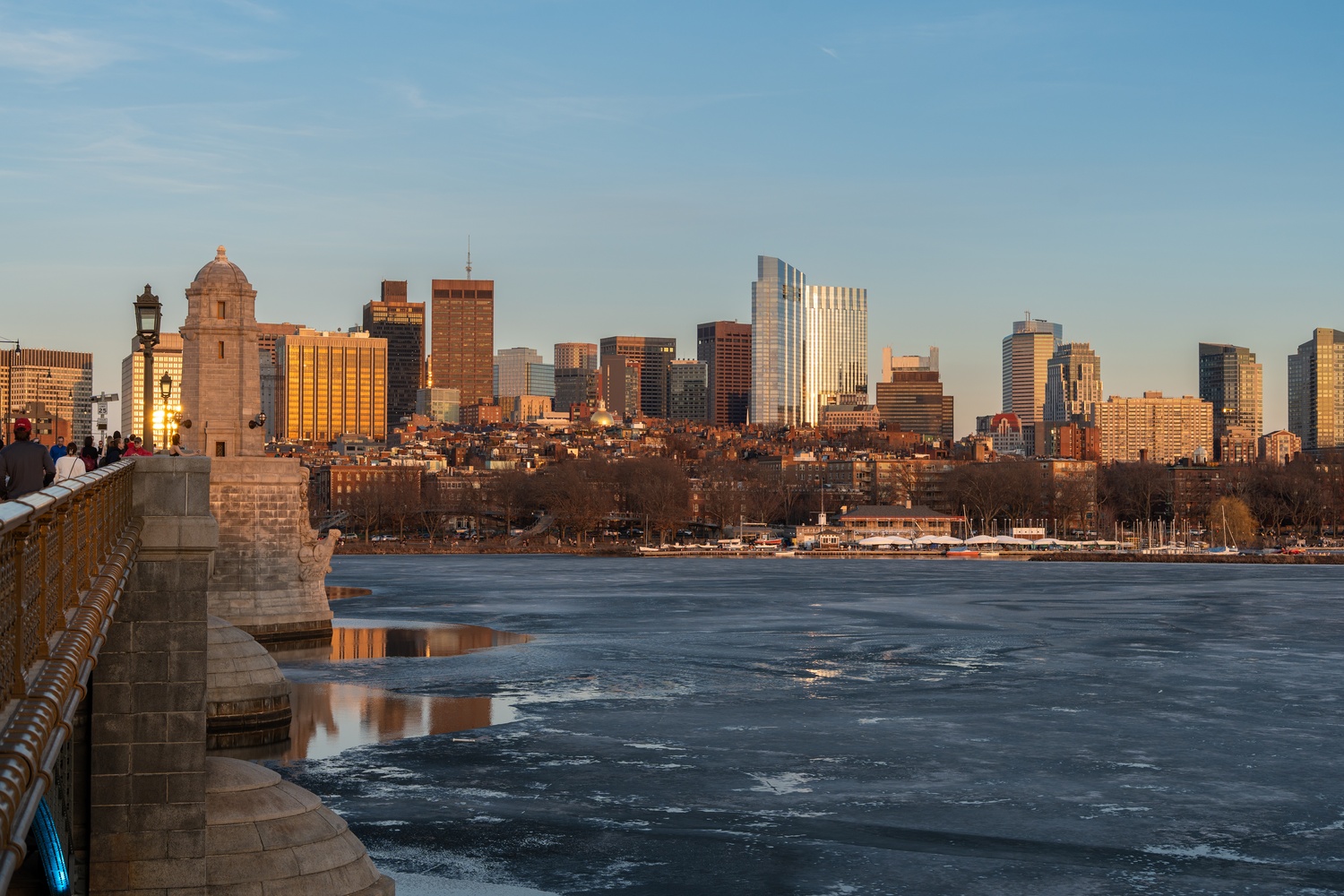
Harvard does not exist in a vacuum. Let’s start acting like it.
Every fall, tens of thousands of students migrate to the Boston metropolitan area. I venture to guess that few ultimately integrate into their schools’ local communities.
For these transitory residents, the city itself has become something extractive — the host of a degree, the big career, or perhaps a good shopping district. But as thousands flock to Greater Boston’s urban core, many forget the people who were there before them: who drew the murals, established those small businesses, and created the culture that they now benefit from. In disregarding the community, they ignore the city’s problems too.
This phenomenon reflects Boston and Cambridge’s dire transplant problem, which Harvard students are only making worse.
We join the Harvard community for four short years, then go our separate ways. But in those four years, we connect — or at least should — with the body that exists around us. Right now, however, student interaction with the arts and culture scene surrounding us is limited.
Cities have always been about more than just trade. Historically, they were commons built through immigrant enclaves, public squares, and street culture. Urbanism has forever meant participating in the collective civic life, not just living near it.
To me, it seems that much of that civic involvement at Harvard comes through the Phillips Brookes House Association, a student-run organization that provides impactful volunteer opportunities in Cambridge and Boston. Volunteerism is an important part of the equation, but it cannot fully replace cultural contributions. Harvard students’ relationship with their host city should not be so transactional: an education and a temporary home, in exchange for volunteer work that just so happens to pad a resume.
Real immersion requires learning about what is important to our cities. It means going to Día de los Muertos celebrations in East Boston, Greek cultural events down in Roslindale, and Lunar New Year events in Chinatown. It means eating pho in Dorchester and celebrating the city’s Caribbean roots at street festivals. It means exploring the Emerald Necklace or spending Lilac Sunday at the Arnold Arboretum. Real community is not found at the local corporate slop-bowl chain, but at the family restaurants that are being quickly boarded up off our streets.
Cities are not meant to be consumed; they are meant to be enjoyed and celebrated. Often, when Harvard students find the time for arts, sports, and community, it stays within the boundaries of campus extracurriculars. Rarely does it extend beyond Harvard Square, and even more rarely, across the river.
This year, I began to train Brazilian Jiu Jitsu across the river at a Boston gym. Here, squarely outside of the Harvard community, I met people from all walks of life. I broke the insularity of college life, meeting people I may have never encountered in the small square footage of Harvard Square.
Ultimately, my call is about more than just art. Boston is one of the most unequal cities in the nation. Rising homelessness, inequitable primary education and a skyrocketing cost of living plague the communities of the Greater Boston area.
These challenges are not unique to Boston, either — a whole host of cities face the same crises. After graduation, we will go our separate ways and call many of these cities and towns home. Hence, there’s even more of a need to begin robust engagement now. When communities around the world welcome Harvard students, whether as stepping stones or as home base, they should arrive knowing how to be full members.
I’m not here to claim that spending time off campus will immediately fix the issues confronting today’s cities, but, certainly, no one wins when Harvard students remain socially and culturally detached from their environment. In order to mount systemic change, collectively advocate, and inspire optimism in local residents, students need to be more engaged members of their communities.
We complain about the “Harvard Bubble,” but only leaving campus will pop it.
Katie H. Martin ’28, a Crimson Editorial editor, is a joint concentrator in History and Romance Languages & Literatures in Currier House.
Want to keep up with breaking news? Subscribe to our email newsletter
Have a tip for The Crimson? Share it confidentially