As Cambridge Tree Canopy Grows, Residents Warn Housing Development Could Reverse Gains
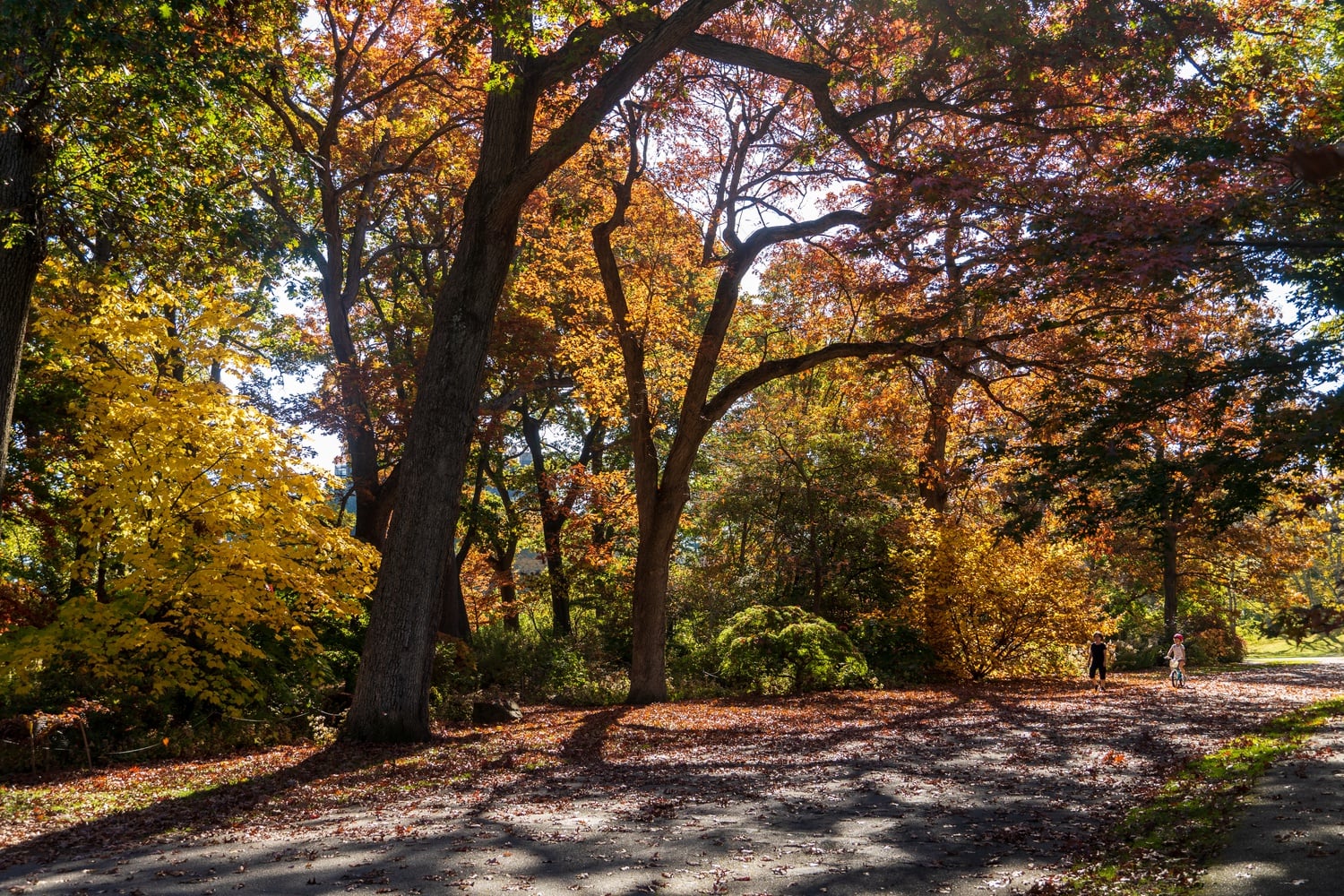
Cambridge officials are weighing stronger tree-protection rules after a five-year update to the city’s Urban Forest Master Plan warned that new housing development could erode recent gains in the city’s tree canopy.
City staff unveiled the update at a Monday meeting of the City Council’s Health and Environment Committee, highlighting an increase in citywide tree canopy and recommending a new target of 35 percent coverage.
But many residents at the meeting argued that increased development following the city’s multifamily zoning changes last year could threaten mature trees on private property, urging stronger tree-protection rules as Cambridge continues its effort to build more housing.
The five-year update found that Cambridge’s tree canopy has grown by roughly 4 percentage points since 2009, reaching the plan’s original goal of 30 percent coverage in 2024 after planting about 1,200 trees a year since 2019.
Eric Kramer of landscape architecture firm Reed Hilderbrand, which helped prepare the update, outlined recommendations to protect existing trees and suggested revisiting aspects of the city’s multifamily zoning to better support canopy growth.
“Re-evaluating the setback question and open space definitions, so green roofs and balconies — should they count as open space or open space on the ground where canopy trees can be preserved and planted?” he said. “Can we think about how that can adjust in the zoning?”
Michael W. Yogman, a retired Cambridge pediatrician, argued that tree loss should be considered a public health issue, citing the role of trees in reducing extreme heat and improving air quality. He said the city ought to expand affordable housing without sacrificing residents’ health.
Get The Crimson in your inbox.
“I really support the affordable housing program, but we don’t need to do it by endangering the health of our Cambridge citizens,” Yogman said. “We need to balance tree preservation and the health of Cambridge citizens with the housing need.”
While developers must replant or pay into the city’s urban tree fund to remove mature trees, resident Carolyn Alpert said current regulations fail to account for damage to trees on neighboring properties. She described an instance in which construction next door removed three canopy trees and damaged two mature trees on her property.
“What wasn’t taken into account, however, was the rapid decline and loss of two mature canopy trees on our side of the property line, whose roots were destroyed by their foundation‑level digging within a foot of that line,” she said.
Over the past five years, the city’s canopy gains have been driven primarily by tree planting on public land, while private residential properties have continued to lose canopy cover at the highest rate.
Resident Peter Sturgis said that because the five-year update only extends through 2024, before the City Council approved its multifamily housing ordinance, the report does not yet capture the policy’s potential effects on tree loss.
“The very land use that has been driving canopy loss — private residential property — is now open to an unprecedented wave of development that the 2024 data could not have captured,” he said. “We cannot assume that the gains of the last five years will continue under entirely new development conditions.”
—Staff writer Risha Sinha can be reached at [email protected] and on Signal at rishas.13.
Want to keep up with breaking news? Subscribe to our email newsletter
Have a tip for The Crimson? Share it confidentially