America Loves Underdogs in Sports — Why Not Harvard?
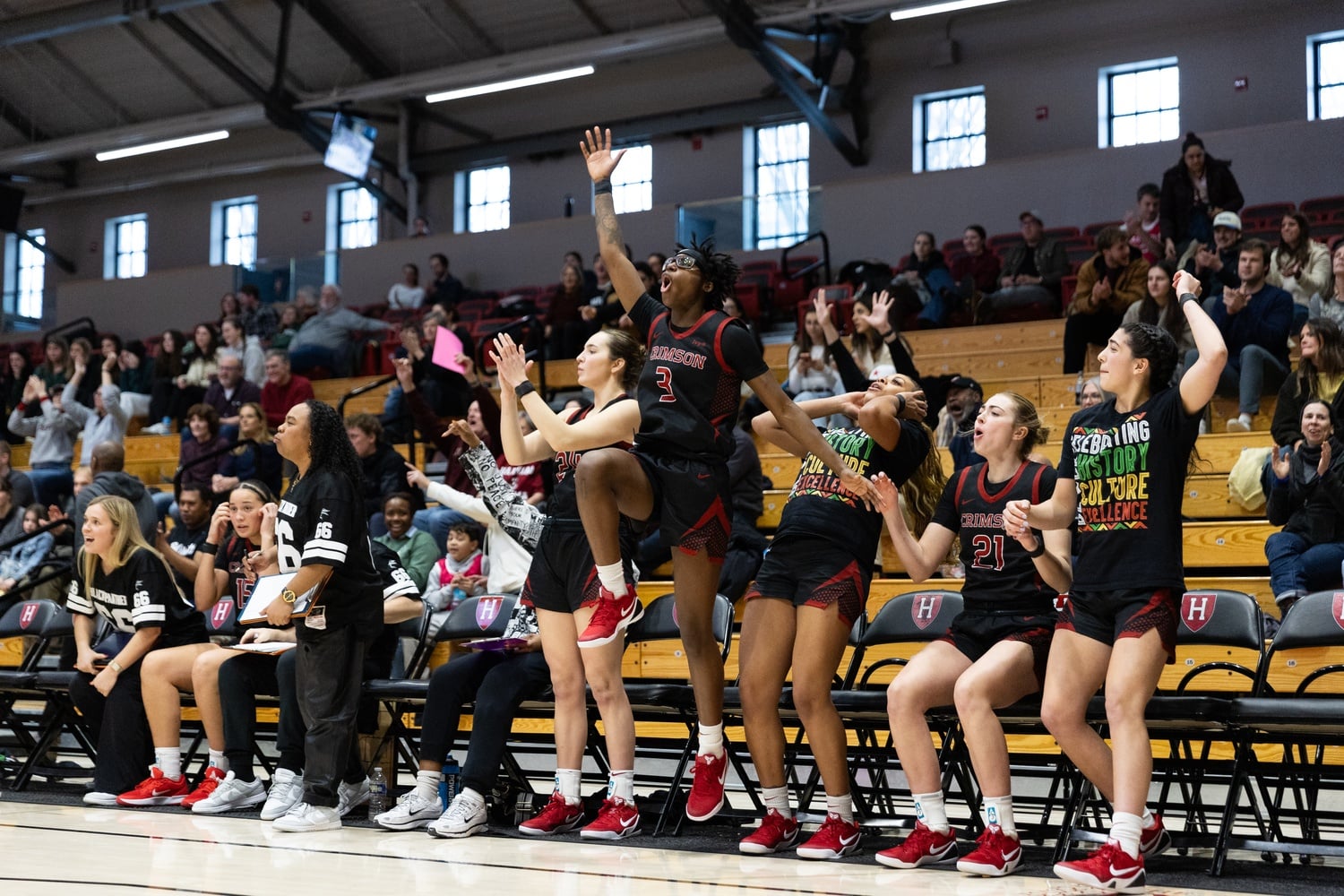
Harvard is the richest university in the world — it is time for it to act as such. The University’s unparalleled ability to pursue excellence should be harnessed not just for academics, but for athletics.
It is no secret that the public image of Harvard and the Ivy League as a whole has been tarnished as of late. Harvard’s opponents paint the University and its peer institutions as elitist and out of touch with the rest of the country.
To remedy this, Harvard and the Ivy League should promote something that all Americans can truly rally behind: underdog athletic teams.
Take basketball, for example. A strong team can work wonders for a university, as it did with Princeton University’s “Cinderella” run to the round of sixteen in 2023. The Tigers gained national media attention, including a flattering exclusive in Time Magazine.
After all, Americans love a classy underdog.
Notably, underperforming Ivy League teams can have the opposite effect — this year, University of Pennsylvania students lived up to America’s expectations of an Ivy League fanbase, chanting, “that’s alright, that’s okay, you’re gonna work for us someday,” while losing to Illinois. Such improprieties are more easily avoided when one’s team wins.
The positive connection between athletics and the wider university is commonly referred to as the Flutie Effect, named for Doug Flutie of cross-town rival Boston College. After his athletic heroism in a 1984 football game, BC’s applications rose by approximately 30 percent in two years. In a similar vein, it is not hard to imagine Harvard gaining some positive time in the limelight should our teams take down Kansas or North Carolina in basketball.
College sports have changed, though — nationally successful programs are now fueled by heavy investment. Name, image, and likeness money has furthered the dominance of programs that are willing to spend millions each year to produce results. The Ivy League is throwing away its opportunity: Despite being financial giants, the universities remain unwilling to loosen their purse strings for athletics.
In an interview with The Crimson, Harvard Athletics Director Erin McDermott discussed the difficulty that Harvard faces in recruitment when competing against NIL collectives. Harvard and the Ivy League as a whole are becoming a tougher sell to athletes who could sign deals in other conferences worth something akin to post-graduate salaries.
It would not require emptying the coffers to win, though. The national champion Michigan Wolverines spent approximately $10 million on their basketball NIL this season. In sports such as basketball, which have rosters barely exceeding a dozen players, Harvard and other schools of means can expediently reshape their programs. While this is a sizable sum (and not the only expense of a successful program), it could be worth exchanging for positive press.
My proposal may seem ill-timed given the austerity measures recently employed at Harvard. When academic and administrative functions are being downsized, how could expanded spending on athletics be justified?
If brand improvement does not convince you, consider the following reasons: Improved athletics could conceivably motivate swaths of new donors, and additionally, there has never been a time when cultivating and raising the spirit of the University has been more important.
Harvard is now, as always, seeking to raise more money for various purposes. Raising money would perhaps be easier if alumni were swept into a fervor of school spirit caused by the Crimson playing football like it was the 1890s again. Though one cannot predict the future, it is easy to imagine the investment paying for itself and, in turn, aiding academic programs.
As for social matters, athletics would do this campus some good. It is no secret that we are a campus largely bereft of school spirit. Besides The Game, you barely see any campus support for our teams and student-athletes.
Sports can be a vital part of civil society and campus life worldwide. It’s no different here: Incorporating athletics into students’ daily lives, along with a concerted effort to improve teams and their performance, would help remedy the lack of a unifying student culture at Harvard.
We have had a rough few years. We need something to cheer for.
For anyone still worried about a potential loss of focus on education, I assure you that it is possible to cultivate academic and athletic excellence in the same institution. Look no further than the Duke Blue Devils. While university rankings are a somewhat problematic metric, Duke is nevertheless seventh overall in US News’s Best National Universities Rankings. They were also ranked first in the Men’s Division I Basketball rankings going into the postseason.
The writing is on the wall; collegiate athletics are changing. This isn’t the first call, nor will it be the last, for changes in Harvard’s athletics.
But in the face of optics issues and an evolving national landscape, there’s never been a better time for the Ivy League to change its stringent rules regarding NIL and athletic scholarships. The investment could do wonders for the school’s image while simultaneously improving student experience.
Harvard ought to strive for the highest form of excellence on all fronts. For just $10 million, we could become America’s team.
Jake D. Truncale ’27, a Crimson Editorial editor, is a Government concentrator in Pforzheimer House.
Want to keep up with breaking news? Subscribe to our email newsletter
Have a tip for The Crimson? Share it confidentially