Harvard Is Not Secure Enough
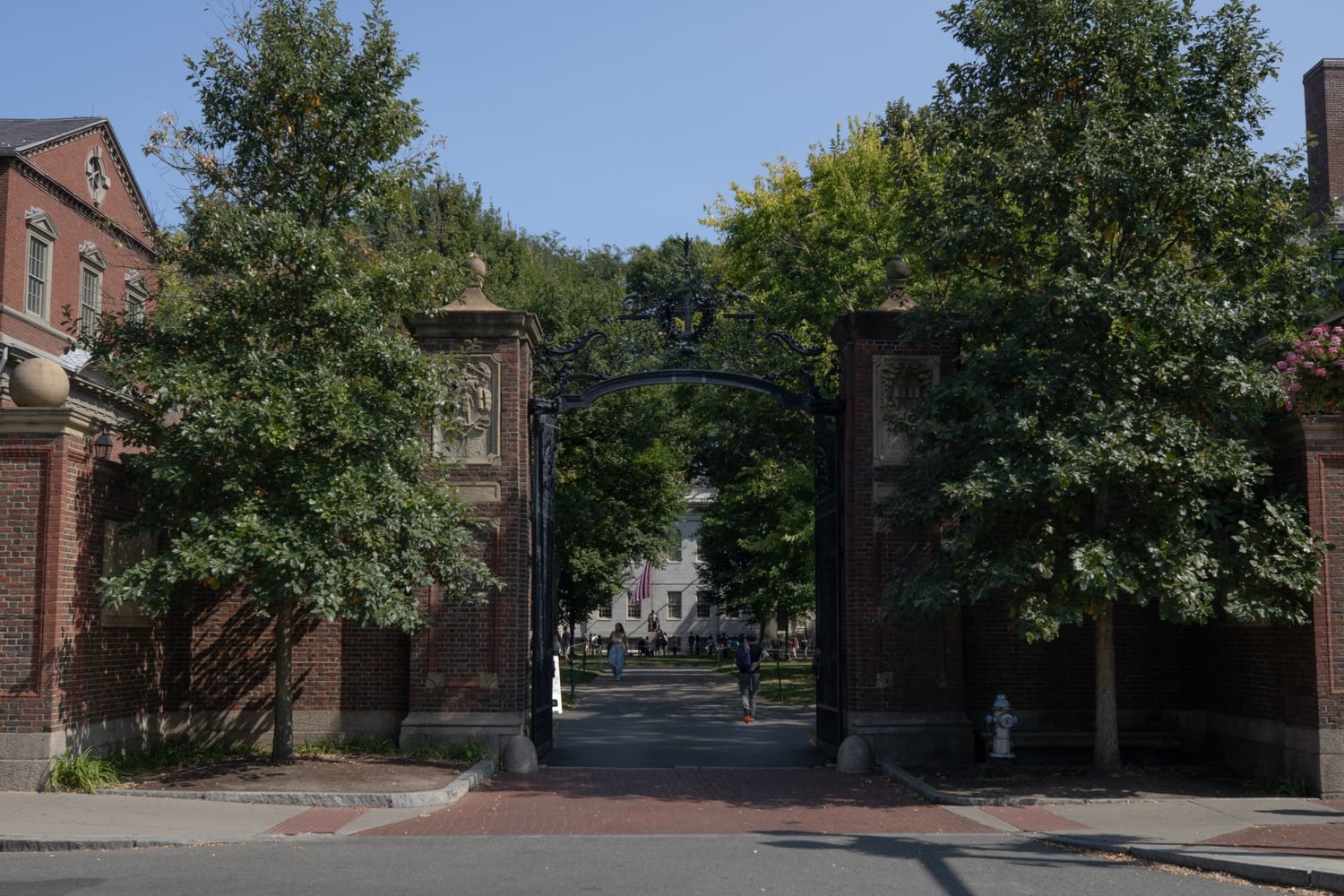
It shouldn’t take a tragedy to teach Harvard the consequences of procrastinating on campus security.
Over the past year and a half, recurring safety risks have forced Harvard to take action to protect its students. The University has proven it can make decisive changes in the name of a safer campus — but its safety measures mustn’t be purely reactive.
Last December, a tragic shooting at Brown University killed two students and injured at least nine. In its wake, Harvard took appropriate action by increasing Harvard University Police Department patrols and enforcing stricter security measures, such as requiring a Harvard ID to access some academic buildings.
Yet the changes have already proven insufficient.
In June, The Crimson reported that only 19 of 49 required radios at FAS Securitas posts were operational as of June 15. Some sites had been lacking radios for years. Two days after The Crimson took that count, Securitas distributed radios to 14 residential posts.
Harvard deserves credit for its effort to improve community safety. It would be wrong not to commend its quick responses to such urgent concerns. Nevertheless, it shouldn’t take a crisis or the discovery of neglect to prioritize security.
Active investment is especially pressing given our urban campus and recent history of safety threats. Although Harvard’s crime rates are comparable to other Boston-area schools according to HUPD, genuine threats persist.
Just last month, a man brandished a sharp weapon in Harvard Square, causing a campus-wide shelter-in-place until he was taken into custody by State Police. In May, an unknown individual entered Lowell House in an apparent attempt to assault a female student. The same month, gunfire on Memorial Drive caused life-threatening injuries to two people, about a half mile south of Mather House.
These incidents are frightening, unpredictable, and difficult to prevent. Harvard must take proactive measures to tighten security and alleviate risk.
Peer institutions can provide a model. Though gun violence has been a rising concern for years, the shooting at Brown seems to have shocked other Ivy League schools into at last enforcing heightened security measures.
Columbia University has maintained a closed campus, a policy that began after protests over the war in Gaza and has remained stringent given the threat of gun violence. Yale University dramatically increased its campus security presence and began requiring IDs to access buildings.
Harvard should implement similar policies where possible. Additional security measures should include reliably staffed entry points in academic buildings, more functioning ID scanners, and increased security Yard patrols.
Going so far as to close the Yard would be no small decision. More than eight million tourists visit Harvard Square each year, profoundly benefiting both the University and local businesses. Closing those gates could make the University feel less connected to Cambridge and inconvenience tourists. Having a closed campus would also be more time-consuming for both security and the Harvard community.
Preventive security is also costly. Retrofitting old buildings with stronger access controls, maintaining functioning equipment, and staffing entrances all require investments in infrastructure and personnel. At other institutions, installing a single electronic card reader can cost roughly $5,000.
Security investments are only as worthwhile as they are enforceable. Despite the ostensibly mandatory Harvard ID required to access buildings like Sever, I’ve often seen students hold doors for their peers, letting many enter without authentication. Nobody wants to be the one to slam the door or be forced to search for their wallet while running late to a 9 a.m. class.
And while this problem is also preventable — some buildings, like Lehman Hall, are monitored by a security guard to ensure individual HUID access — the solution is time-consuming and costly.
Across a campus as large and antiquated as Harvard’s, those costs will quickly add up. However, Harvard ought to think about its priorities.
If Harvard can spend generously to provide students with world-renowned libraries, classrooms, and residential spaces, ensuring students feel safe using those spaces is simply fulfilling its mission.
Campus safety is not valuable only in moments of crisis; it shapes students’ daily ability to participate fully in college life. We should not fear walking to our houses after late nights at the library. We should be able to use campus spaces freely without weighing every possible risk. Basic, consistent security precautions allow us to focus our attention solely on learning and living.
Harvard excels at meeting the moment in urgent circumstances. Now, it should invest in campus safety before the next crisis arrives.
Ally Hwang ’29, a Crimson Editorial editor, lives in Winthrop House.
Want to keep up with breaking news? Subscribe to our email newsletter
Have a tip for The Crimson? Share it confidentially