Sophomore Year Is the New Freshman Year
Freshman year gets all the hype. It really shouldn’t.
My initial experience on campus was one that many may share. After moving into my shoebox Wigglesworth dorm, I felt disconnected from much of the University and its opportunities. My freshman epoch lacked an epicenter — something to guide and welcome me. I couldn’t find much of a home in clubs, classes, or my entryway.
For me and many others, sophomore year is the new freshman year — another set of opportunities waiting to be seized.
But more vitally, the virtues of Harvard’s second year reveal the problems with Harvard’s lackluster freshman experience.
At a University where competitiveness and imposter syndrome go hand in hand, built-in social networks are essential to thrive. As of now, those structures are mostly limited to upperclassmen; thus, freshman living should emulate the second-year experience instead.
Perhaps the most transformative aspect of sophomore year is joining the House system. Houses, with their shared spaces and smaller student populations, breed a sense of familiarity that freshman settings lack.
Gone are their nebulous counterparts, the first-year “Yards” — Crimson, Elm, Oak, and Ivy — and thankfully so. Because while the freshman housing system does well at introducing students to their classmates, it struggles to provide the familial feel and support many people not only crave, but need, given the massive lifestyle changes that come with going to college.
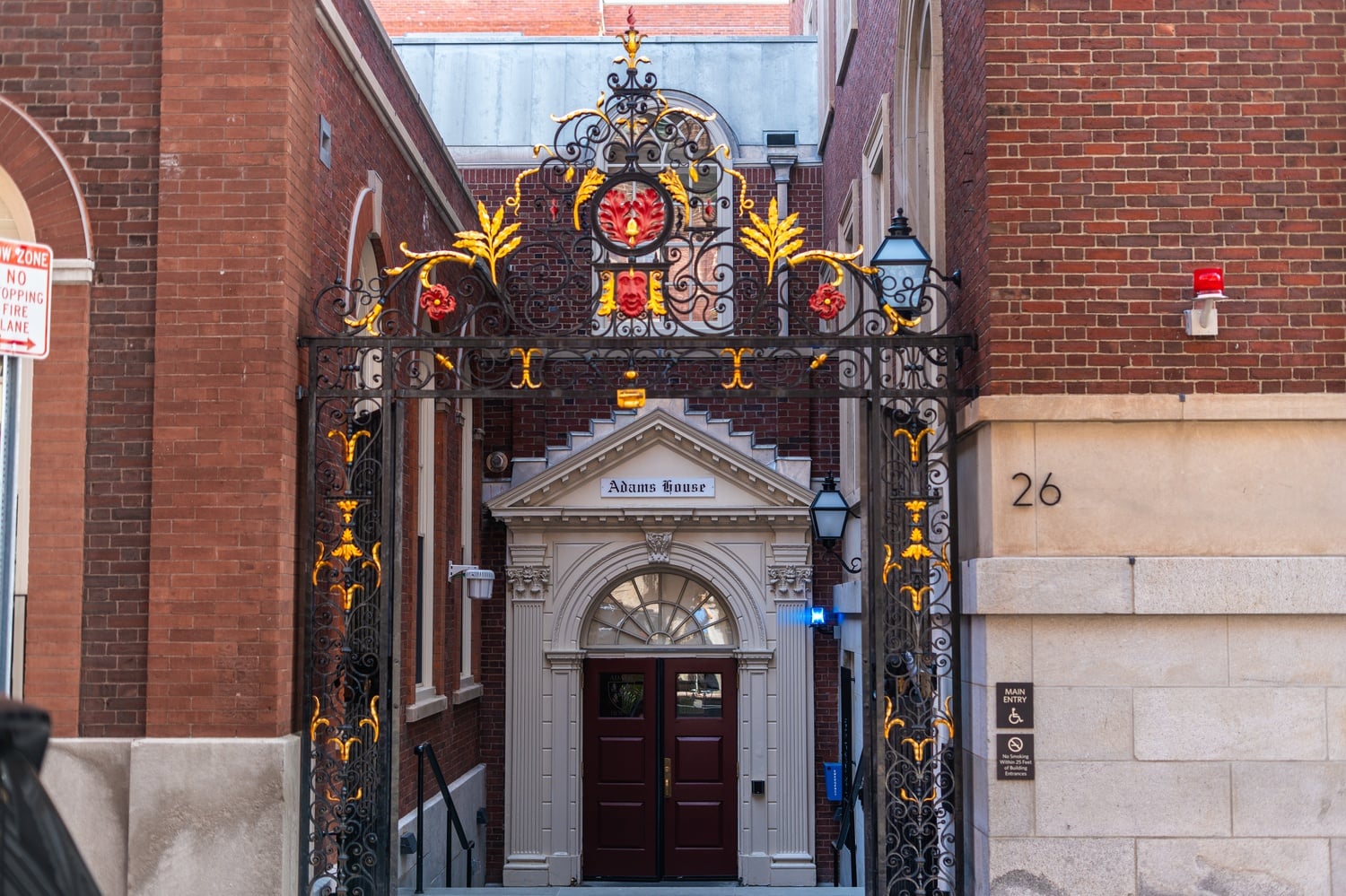
Intramural sports — a feature present yet marginal in the Yard – gain true prominence once one lives in a House. Through each House’s idiosyncratic quirks and traditions, distinct identities are fostered, providing a welcome sense of community in a school that can feel particularly cutthroat in its opportunities. As a proud member of Adams House, I am the beneficiary of Carpe Noctem, Chocoholica, and the Winter Feast, among other unique socials. Students in Dunster have Red Tie Dinner. Mather residents have the aptly named Mather Lather.
But comparing the intimate nature of House dining halls to Annenberg, the universal first-year space designed to habituate the entire freshman student body, it seems as if the latter is woefully inadequate. Serving over 1,600 students in one given period, it’s easy to lose oneself amidst the crowd.
Only as a sophomore do you finally gain that built-in camaraderie.
Additionally, with another semester comes another comp cycle. Freshman status can feel all the more uninspiring due to Harvard’s ruthless club culture, as many of those elite organizations we gushed about in our college essays aren’t accessible until after multiple rigorous comps. Scars of past rejections serve as common rites of passage into these clubs, meaning some students don’t find immersion until their third or fourth semesters. The punch process for final clubs also excludes freshmen; students wishing to participate in the prestigious societies must wait until their third semester.
There’s a silver lining here. I arrived at Harvard with preconceived notions of what I should do, and only after a couple of semesters did I discover other interests. Luckily, perhaps because students understand the demanding nature of some Comps, sophomores are still widely accepted into clubs, which is great for late bloomers.
This is why the freshman experience needs to borrow from what makes sophomore year work. To give two examples, first-year entryways and dorm halls have the potential to be welcoming enclaves. But with little more than common rooms to foster connection, the first-year experience will remain disjointed.
Cultivating dorm-specific culture and investing more in residential features — by expanding PAF and proctor resources, for instance — would make the first-year experience feel more like the House system upperclassmen know and love. Harvard tries too hard to make the freshman class into a monolith, when it should be a collection of distinct communities.
But until the freshman experience improves, we’re stuck with what we have. So seize the day in the meantime.
Kai I. Russell ’29, a Crimson Editorial editor, lives in Adams House.
Want to keep up with breaking news? Subscribe to our email newsletter
Have a tip for The Crimson? Share it confidentially