City Council Approves Proposal to Increase Height of Residential Buildings on Cambridge Street
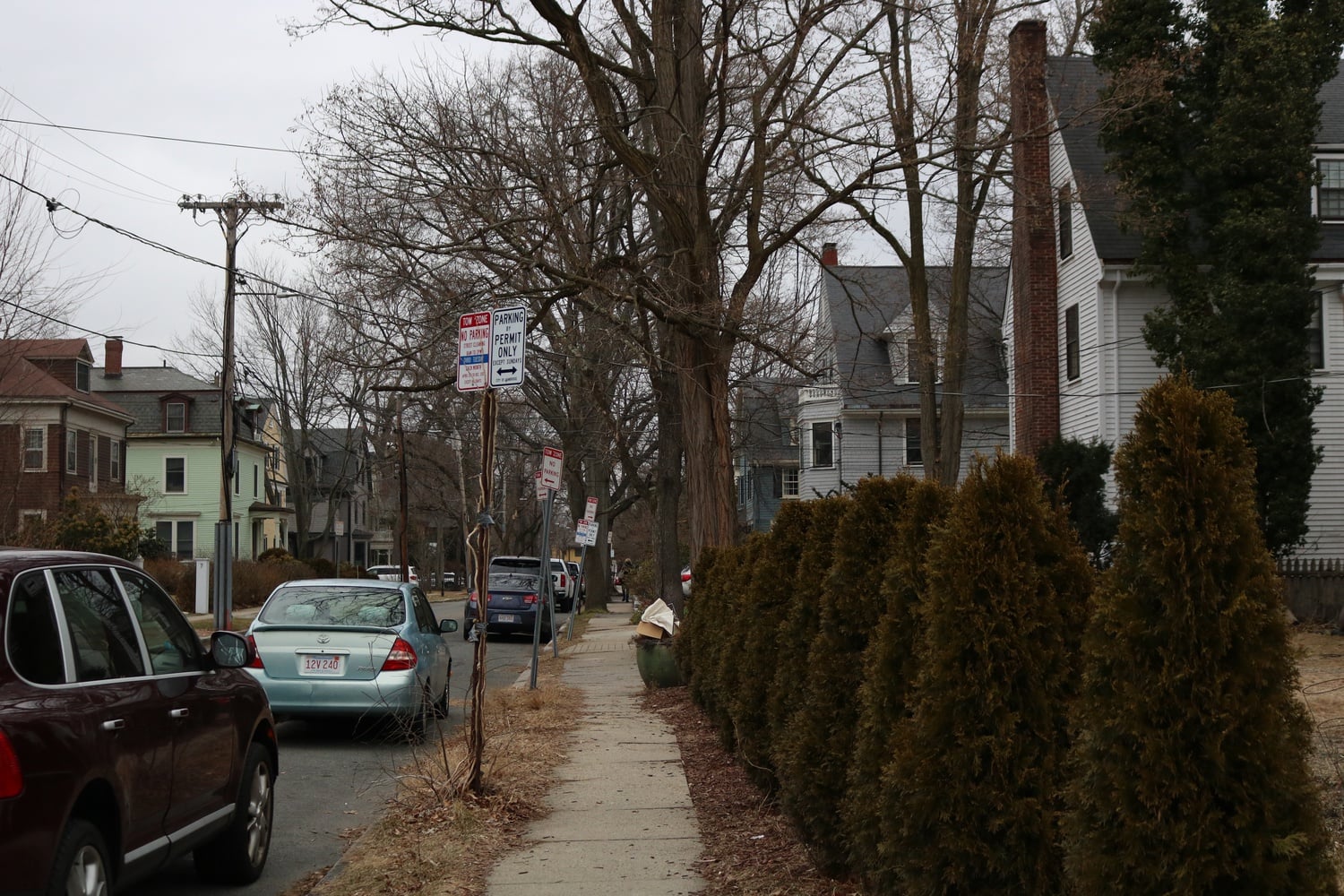
The Cambridge City Council approved a contentious upzoning proposal for Cambridge Street, allowing six-story buildings to be developed down the high-traffic corridor and preventing the proposal from expiring in a last-minute vote.
The move caps a yearslong planning process aimed at increasing the permitted height and density of housing developments on Cambridge Street, stretching from Inman Square to Lechmere Station. Though the original proposal pushed to allow eight-story buildings, the Council approved the amended upzoning in a 6-3 vote on Monday.
The Council agreed to compromise on the proposed height requirements after more than three months of hotly contested debate, but some argued that an eight-story limit was necessary to create enough housing units.
“I continue to believe we have a housing shortage, and I think that allowing eight stories on Cambridge Street would provide more homes for people, more customers for our local businesses, and more inclusionary units,” Councilor Marc C. McGovern said.
In select areas — including the intersection of Webster Avenue and Windsor Street and near Lechmere — developments can reach between 10 and 12 stories under the upzoning. Councilors backing the measure described the changes as a compromise that balances housing production with neighborhood concerns over scale, shadows, and street character.
Several councilors framed the ordinance as a pragmatic step forward, noting that the Monday meeting was the last opportunity to approve the proposal before it was set to expire. If the proposal failed, the city would have been forced to resubmit a new proposal months down the line — a delay councilors worried would stall housing production amid rising costs and demand.
But other councilors questioned whether the city should allow the proposal to expire and revisit the rezoning with updated economic data. The city’s Nexus study, expected to conclude in June, could affect the existing inclusionary requirement.
Get The Crimson in your inbox.
The city’s current inclusionary zoning policy requires developments with more than ten units to set aside 20 percent of those units for permanently affordable housing — a requirement currently under fire from a local developer.
“Our inclusionary zoning requirement is legally reliant on the economic justification study from 2016 that is now out of date, and the new feasibility study arrives in just five months,” Councilor Ayah Al-Zubi ’23 said.
“The Nexus study arriving in June will likely show that the 20 percent is not economically justifiable under the conditions of this current moment, and faced with that, the council will inevitably vote to lower the inclusionary percentage to whatever the study claims is justifiable, which I’m quite concerned about,” she added.
Al-Zubi, Councilor Catherine “Cathie” Zusy, and Councilor Timothy R. Flaherty were the only three councilors in opposition to passing the six-story proposal.
Cambridge Street has already seen new residential development prior to the upzoning, producing almost entirely market-rate housing. Failing to adopt the new zoning would allow this trend to continue without creating opportunities for affordable units, Sobrinho-Wheeler argued.
“The choice is between shorter buildings that are 100 percent market rate, which is what we’re getting now, or slightly taller buildings that are going to create hundreds of new, affordable homes,” he said.
—Staff writer Isabel K. Crews can be reached at [email protected]. Follow her on X @ICrews94039.
—Staff writer Adelaide L. D. Roger can be reached at [email protected].
Want to keep up with breaking news? Subscribe to our email newsletter
Have a tip for The Crimson? Share it confidentially