Kosher Camping Shouldn’t Be This Complicated
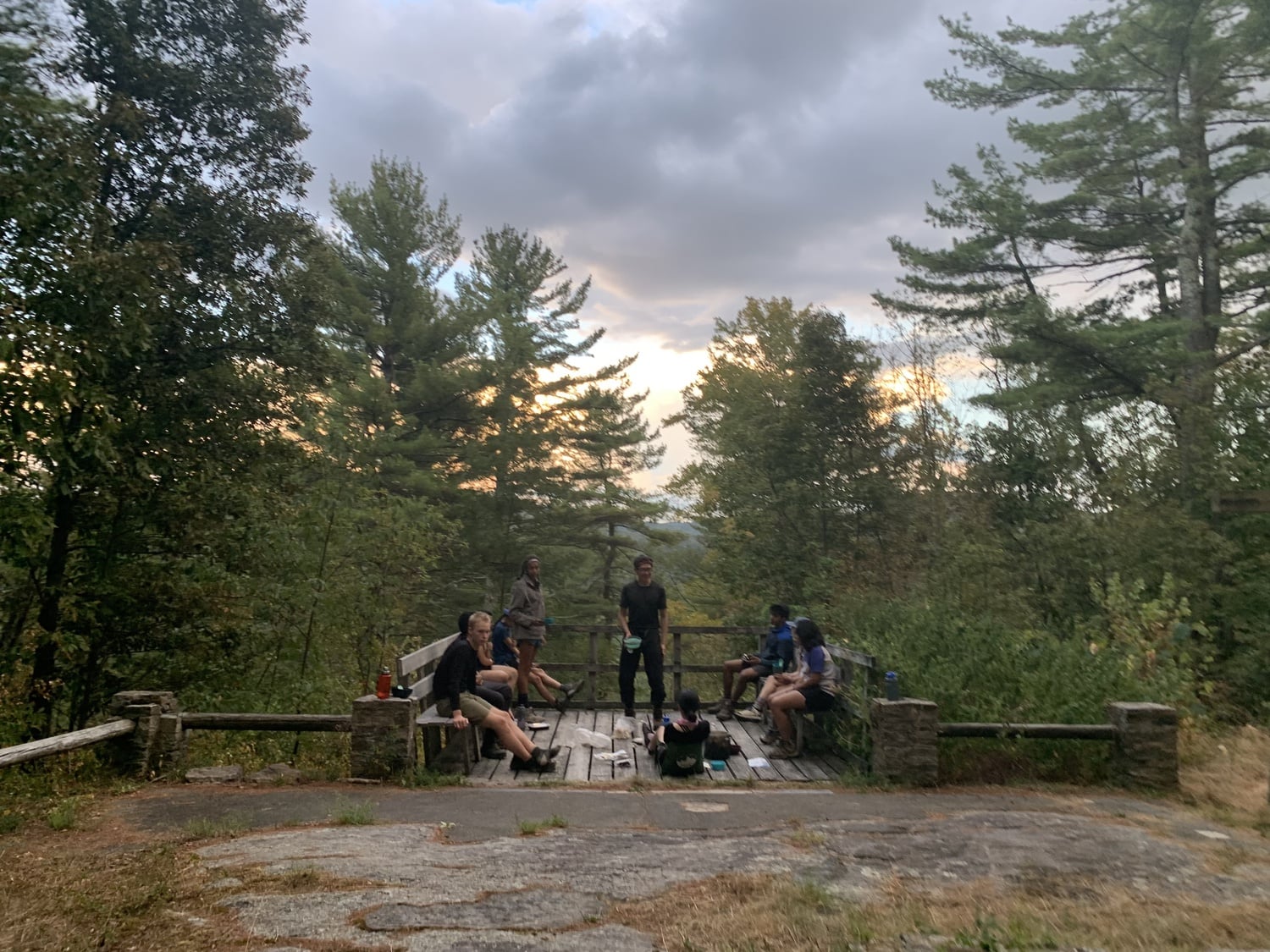
Cooking meals together? Well, that wouldn’t be kosher. Carrying my belongings from campsite to campsite? Not on Shabbat. And cooking dinner on Friday night? Definitely not happening.
It was 2 a.m. in May, and I was scrolling through Harvard’s First-Year Outdoor Program website. What began as excitement about meeting people before college was becoming a disappointing list of reasons I couldn’t go as an Orthodox Jew.
Still, I wasn’t ready to give up. I clicked through nearly every tab until I found a glimmer of hope: Buried under “Food on FOP” was a promise to accommodate “any and all dietary restrictions” — including kosher rules.
Two Zoom calls, plenty of emails with administrators, and many questions later, I still wasn’t sure how everything would work. Would I have separate cooking equipment? How would we handle Shabbat? Everyone seemed eager to help, but logistics remained unclear.
Through my FOP experience, I have learned that promising accommodations and putting them into practice are two very different things. If any Harvard program is willing to offer religious accommodations, they should be prepared to follow through on them. By making the process of inclusion a lengthy and arduous one, they discourage the very students they claim to serve.
Though I didn’t know exactly how the logistics of my FOP accommodations would work, my parents needed a move-in date to arrange time off work. I needed to buy my camping gear and start packing for college. I had to take a leap of faith.
Thankfully, it paid off. FOP placed me on a site-based trip at a farm where we slept in a cabin and planned around Shabbat. My leaders showed me my kosher food on the morning of our departure and patiently helped me organize my separate pot, sponge, and utensils. Keeping kosher meant using separate equipment for the group’s food and mine, and separating meat and dairy. Soon, each pot had its own name: Peter, Pan, and Potricia.
On Friday night, we prepared dinner before sundown. I brought out candles, grape juice, and challah to welcome Shabbat, and everyone gathered around, shielding the flames from the wind as I recited the blessings. They listened, asked questions, and eagerly passed around the challah to try it for themselves.
My leaders and fellow FOPpers didn’t merely tolerate my observance. They embraced it. What had taken weeks of planning became an opportunity to share traditions and build friendships. The leap of faith had been worth it.
But my experience could easily have been different. Without the effort and time I’d put into planning with FOP — and the patience and understanding of my leaders — I might have missed out entirely.
Before signing up, I’d texted Jewish Orthodox upperclassmen, hoping for reassurance. One said she didn’t know anyone frum — strictly adherent to Jewish religious laws — who had done FOP. Another had decided the logistics of cooking on the trip were too complicated. A third had attended but compromised her observance.
Having experienced FOP for myself, I understood why they had hesitated at the challenge — but also what they had missed by staying home.
Students shouldn’t have to navigate weeks of uncertainty to participate in programs that claim to be inclusive. And what about those who never even ask?
They miss out on friendships, shared traditions, and the chance to meet people whose lives look different from their own. Their fellow FOPpers miss out, too. Had I stayed home, nobody would have gathered around my Shabbat candles or learned about the traditions I brought with me to Harvard.
FOP deserves enormous credit for making my experience possible. Deans and administrators were kind as they helped me navigate the process, and my leaders went above and beyond. But following through on promised accommodations shouldn’t depend on weeks of student initiative or the extraordinary efforts of individual leaders. Clearer particulars of accommodation on FOP’s website and supplies provided with time to spare would help make that promise a certain reality for more students — one that they could rely on rather than doubt.
It is not enough to make sweeping proclamations of inclusion when students are hesitant to take advantage of accommodations out of fear and uncertainty. Every Harvard program that promises to welcome all students must actually examine if it is doing enough to support them once they reach out.
I went into FOP with a fear that I would be forced to choose between my faith and participation. I left with new experiences, strangely named pots, and a group of lifelong friends.
I hope FOP can ensure that the next student scrolling through their website at 2 a.m. finds only reasons they should go — not reasons why they can’t.
Stella R. Hiltzik ’30, a Crimson Editorial comper, lives in Matthews Hall.
Want to keep up with breaking news? Subscribe to our email newsletter
Have a tip for The Crimson? Share it confidentially