To Fix Primaries, Vote 'Yes' on Ballot Question 3
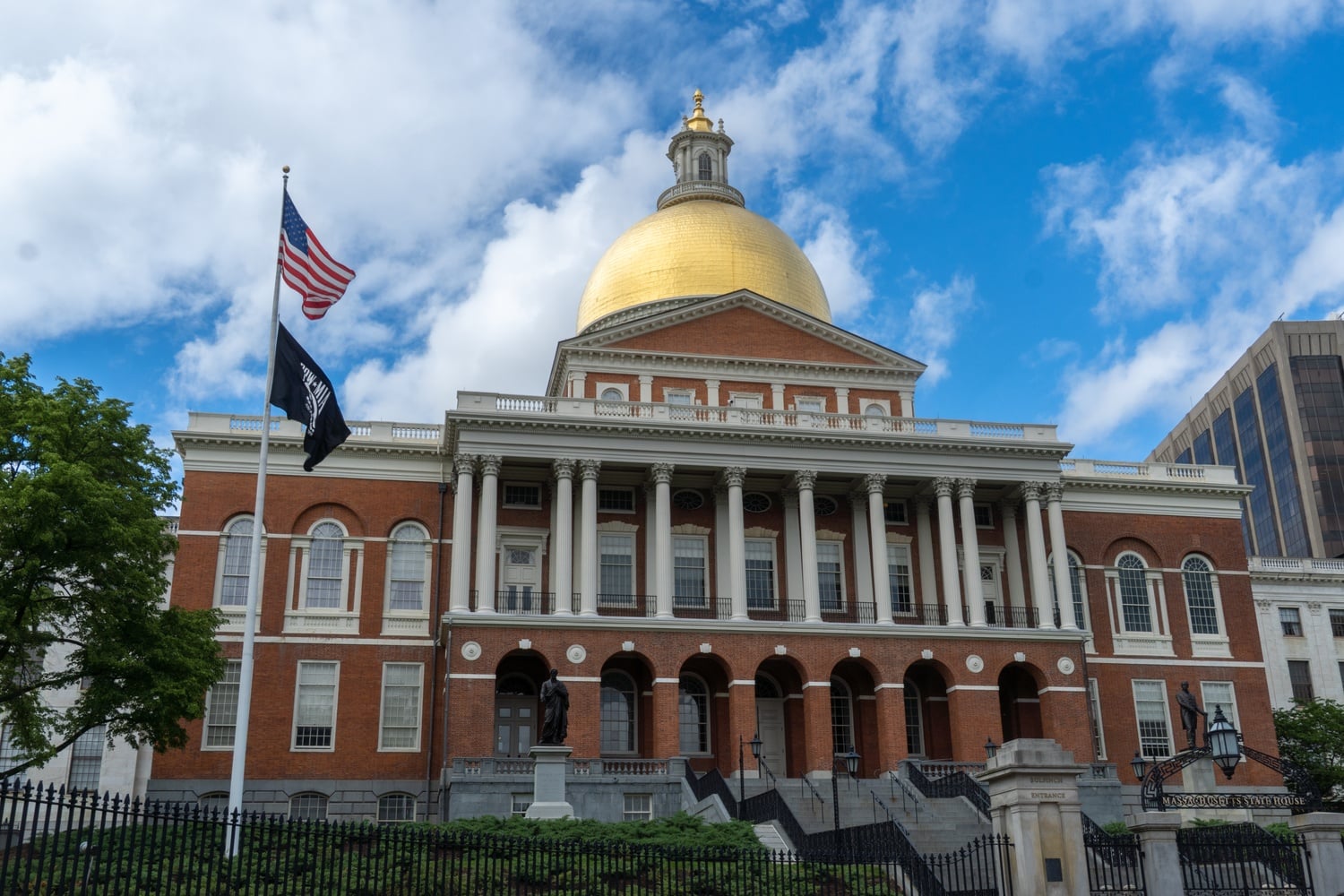
In Massachusetts, the real election is often before Election Day.
Question 3 on the ballot for Massachusetts’s 2026 statewide elections will ask voters whether the state’s current partisan primary system should be replaced with a single “all-party primary.” This primary would place all candidates — Democrats, Republicans, and others — on the same ballot for the entire voting population, advancing the two candidates with the most votes to the general election.
Major proponents of the switch, such as University Professor Danielle S. Allen, say it would increase competition in Massachusetts elections, giving voters more agency. Opponents think it would accomplish the reverse, arguing that an all-party primary would make it harder for grassroots and third-party candidates to reach the general vote.
In the interest of political competition, more representative elections, and accountability from elected officials, Massachusetts voters should vote “yes” on Ballot Question 3.
In many Massachusetts elections, voters lean so reliably left that the Democratic primary effectively decides the election’s final outcome. In fact, primary elections in Massachusetts are so decisive that 60 percent of Massachusetts’s current House and Senate races only have one candidate on the ballot for the general vote in November.
Massachusetts primaries have all the stakes of a general election, but only a fraction of the audience. Only 22.7 percent of eligible voters cast their ballots in this year’s state primaries. As a result, Massachusetts’s current election system gives disproportionate power to the small share of its electorate that votes in the primaries.
General elections in Massachusetts historically attract far more voters, but that doesn’t matter if the final vote is hardly a contest.
If the measure proposed in question 3 were to pass, candidates who would otherwise run uncontested in the general election would have to face steeper competition to perform well. A small margin in the primaries would no longer serve as a fast track to victory.
That isn’t to say an all-party primary isn’t without its downsides. Advancing only two candidates to the general election could shut out third-party candidates. But given that the current system offers these candidates little more than an opportunity to lose in November, we think an all-party primary is better because it lets them compete against Democrats and Republicans before the same electorate.
Just as partisan primaries repress electoral competition, they also work against candidates who may better represent Massachusetts’ political diversity. Theory suggests that partisan primaries breed political polarization, as they’re expected to attract the most ideologically impassioned voters and therefore select for candidates skewed toward the political poles.
Ergo, the change proposed by the ballot referendum will give a wider array of candidates a strong chance to advance to the general election, in contrast to the status quo, which rewards candidates for preaching to their own choirs.
In Massachusetts, Democrats consistently retain control of all three branches of government. Thus, it’s especially important that more representative candidates make it to the general election so Republicans and independent Massachusetts voters get candidates who represent their interests and stand a real chance of winning.
Beyond ideological representation, increasing political competition holds Massachusetts’ elected officials more accountable to their constituents. The state’s legislature Democrats are notoriously distant from voters, and greater competition in the general election could incentivize state legislators to deliver on their obligations.
Beyond this ballot question, we still have a long way to go to foster a healthier political culture in Massachusetts.
Ballot Question 4, which would allow same-day voter registration, is another step in the right direction. More broadly, greater election reform — like ranked-choice voting — can help tilt the scales of state democracy toward truer representation. Ranked-choice voting would improve Massachusetts’s election process by giving voters more options, breaking party orthodoxy, and more accurately reflecting the electorate’s political identity.
After all, you can’t live up to the “Spirit of America” with elections as uncontested as Massachusetts’s.
This staff editorial solely represents the majority view of The Crimson Editorial Board. It is the product of discussions at regular Editorial Board meetings. In order to ensure the impartiality of our journalism, Crimson editors who choose to opine and vote at these meetings are not involved in the reporting of articles on similar topics.
Have a suggestion, question, or concern for The Crimson Editorial Board? Click here.
Want to keep up with breaking news? Subscribe to our email newsletter
Have a tip for The Crimson? Share it confidentially