You Can’t Buy House Pride
When it comes to HoCo budgets, bigger isn’t always better.
In the 2025-26 academic year, House Committee expenditures across the twelve houses varied dramatically, ranging from as low as $94 per student to more than double at $194. Certain HoCos preferred to spend their budgets on events, others on merchandise, and others on elected officer meals. Greater, lavish spending did not necessarily lead to higher resident satisfaction.
Clearly, what makes a House isn’t HoCo’s budget, but the House’s culture. Every resident plays a role.
Helping HoCo to foster a rewarding House life is, in many cases, an information problem. A budget can only serve residents if residents give usable input on financial decisions. To that end, we remind our fellow students that their HoCo chairs are elected representatives who are meant to represent a House’s interests. In addition, House residents are generally considered members of HoCo and can join weekly open meetings.
If you have time to complain about your House in the dining hall, why not head to the next HoCo meeting?
Given the sheer amount of money they have at their disposal, HoCos aren’t missing the financial means to fulfill student desires. But mileage varies — since extravagant spending didn’t immediately satisfy a House’s students, it might be better to think about how the money is spent.
In other words, it’s not all about the money.
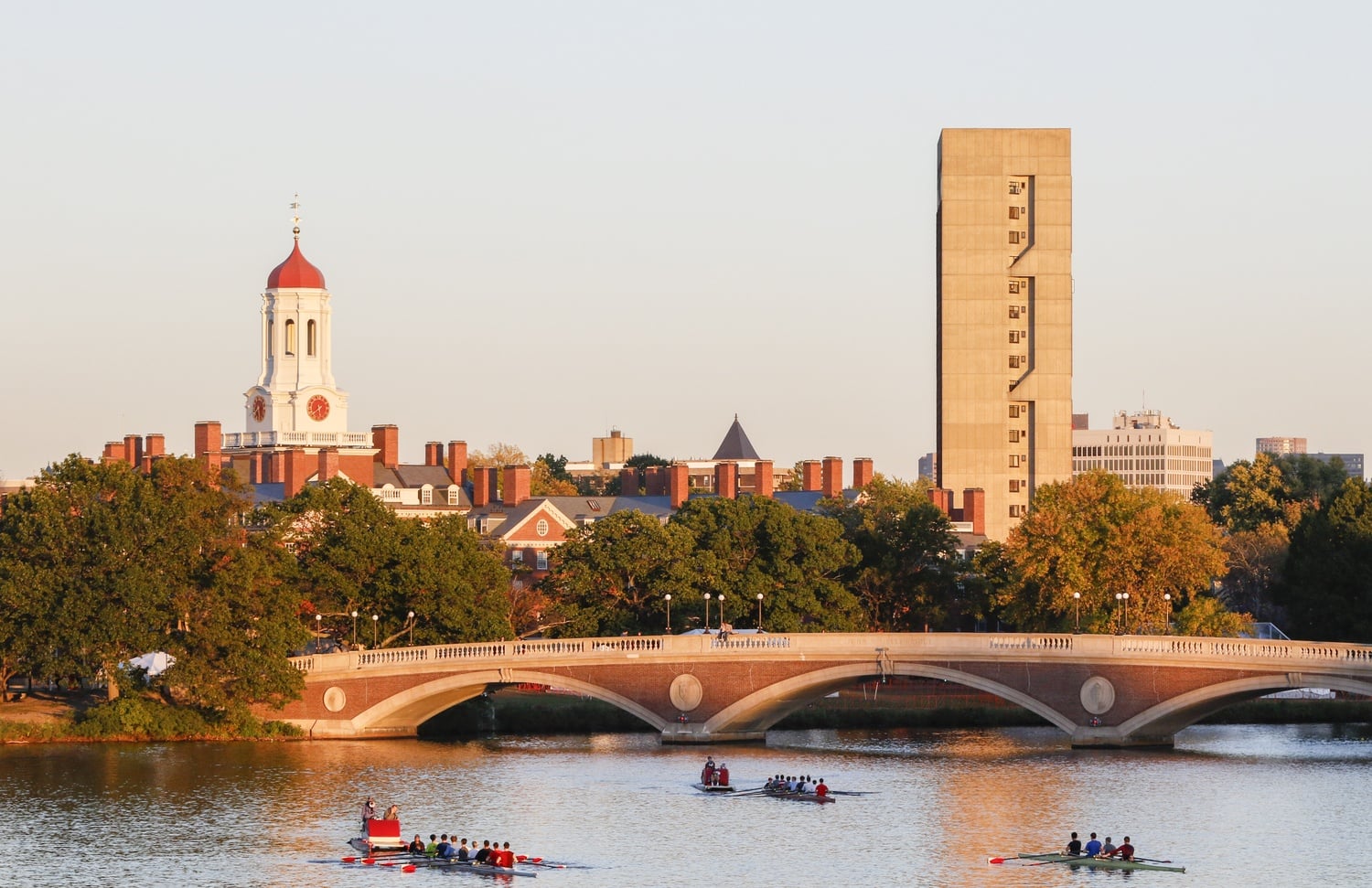
Although Dunster has the third-lowest revenue, the lowest overall spending, some of the lowest spending per student for weekly socials, and the fifth-lowest spending for formals (they co-hosted their spring formal in their courtyard with Mather), they still tied for the highest satisfaction ratings. A decade ago, Dunster was also in the lowest spending bracket.
In most cases, however, HoCos spend big. In total, Harvard’s HoCos spent roughly $727,000 over the fall and spring semesters, and two-thirds spent more money than they took in.
For the Houses with the biggest revenue-expenses gaps, the allocations vary. Winthrop HoCo used nearly half the year’s expenses (and a calculated $79 per student) on a swanky venue for its spring formal, while Adams put $790 towards an ice sculpture yet reported spending only $19 per student for formals. Pfoho’s polar bear-themed Harvard-Yale sweater — made free for all residents — reportedly contributed to its HoCo outspending its revenue last year.
While these differences are sharp, they are no cause for concern. Given that account balances weren’t reported, we can’t tell whether HoCos are making truly unwise financial decisions. Nor are HoCos even meant to spend in the same way.
A HoCo’s mandate is to meet the unique, aggregate desires of the House resident body they represent, and some Houses — namely Eliot, Lowell, and Adams — desire nothing more deeply than their ice sculptures.
House budgets should be taken as only a subtle indicator of House pride. It may be easy to blame the random Housing lottery for dissatisfaction and the unmet desire of being in a wealthy House. But if Dunster is any guide, Houses are made, not born, wonderful.
Lotteried housing may occasionally feel like an uphill battle to form bonds with people you didn’t choose. But it’s also a unique opportunity to build community with all manner of Harvard students you might otherwise dismiss.
If the quirks of HoCo funding teach us anything, it’s that you don’t choose your House. It’s up to you to make it a home.
This staff editorial solely represents the majority view of The Crimson Editorial Board. It is the product of discussions at regular Editorial Board meetings. In order to ensure the impartiality of our journalism, Crimson editors who choose to opine and vote at these meetings are not involved in the reporting of articles on similar topics.
Have a suggestion, question, or concern for The Crimson Editorial Board? Click here.
Want to keep up with breaking news? Subscribe to our email newsletter
Have a tip for The Crimson? Share it confidentially