25 Years of ‘Harry Potter and the Sorcerer’s Stone’: To Let a Good Thing Die
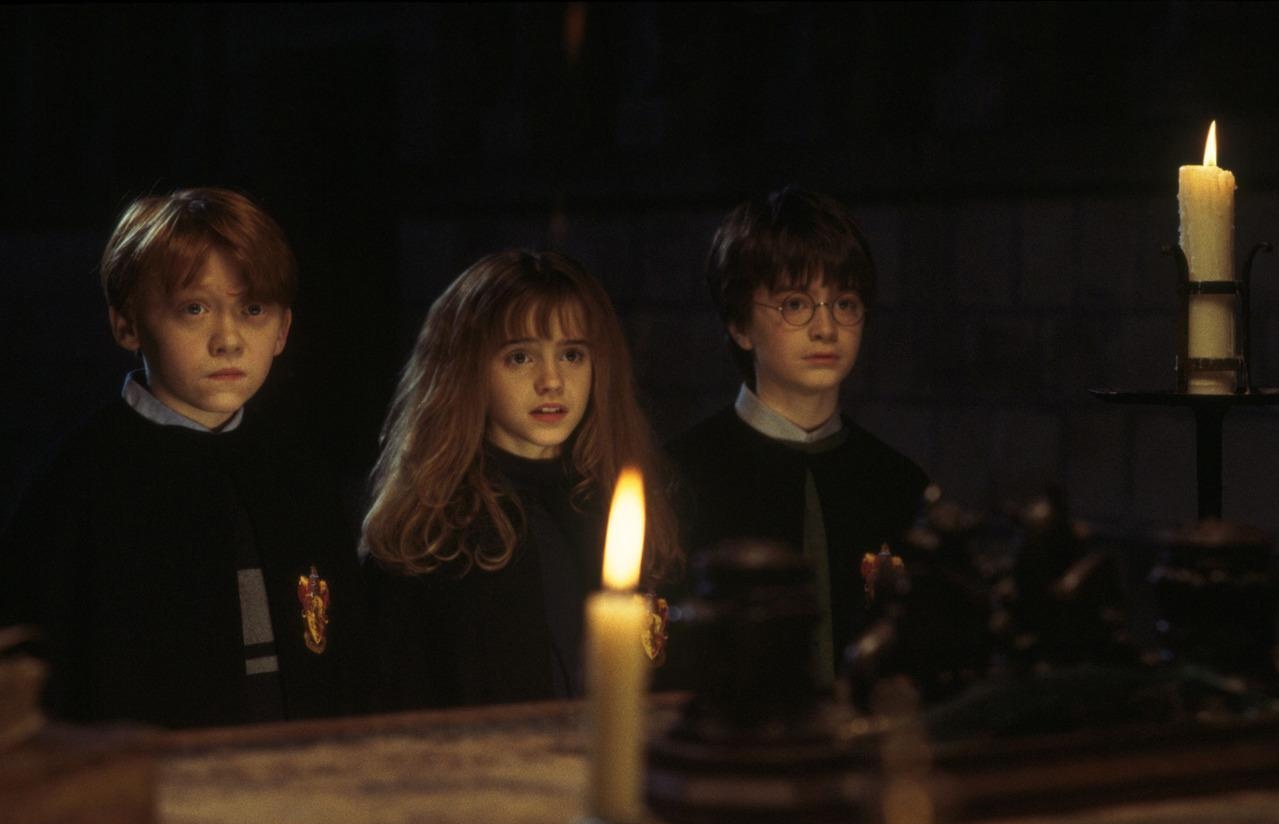
The “Harry Potter” books have been known to turn many children into lifelong readers, and the iconic film adaptations only made the story even more easily accessible. Pop in some DVDs, and all eight of the franchise’s films are available, immersing viewers in an action-packed journey through the magical world.
It was neither accident nor coincidence that the wider public embraced these films to such an extent, perhaps even more than the book series’ popularity could have ever predicted. From the soundtrack to the actors, countless elements had to fall into place for the films to succeed — and they did.
The first film in the franchise, “Harry Potter and the Sorcerer’s Stone” (2001), introduces the audience to Harry Potter, who, on his eleventh birthday, discovers that he is a wizard. From there, the film follows his first year at Hogwarts School of Witchcraft and Wizardry. Harry and new friends Ron Weasley and Hermione Granger must stop the Sorcerer’s Stone, a magical artifact promising immortality and infinite wealth, from falling into the wrong hands. The plot twist at the end sets up the fateful rivalry between Harry and Lord Voldemort, which went on to be the primary plot arc of the eight films.
Daniel Radcliffe (Harry Potter), Rupert Grint (Ron Weasley), and Emma Watson (Hermione Granger) have become household names in the entertainment industry almost exclusively due to their performances in this film. Their acting captured genuine childlike wonder, making it impossible for kids watching not to yearn to be a part of the Wizarding World, and for adults watching not to reminisce on their own adolescent years. Even moments when the actors’ inexperience and youth led to inconsistencies — for example, Watson visibly mouthing Radcliffe and Grint’s lines — they ultimately come across as the endearing mistake of a young actress being slightly too immersed in her character instead of a true error.
The soundtrack is another aspect that contributed to “The Sorcerer’s Stone” becoming the second-highest grossing film ever at the time of its release ($974 million). This film marks the first appearance of “Hedwig’s Theme,” the iconic John Williams composition that captures the essence of magic distilled into orchestral music. From the twinkling bells that open the soundtrack to the soaring melodies it transforms into, Williams’ composition exudes mysticism and stirs excitement. This tune became a defining part of the franchise, appearing at the opening and closing of each of the first three movies. This excellence in music continued into the later installments, ultimately earning the franchise two Oscar nominations and five Grammy nominations.
“Harry Potter and the Sorcerer’s Stone” would remain the franchise’s best-performing film at the box office up until the final installment, “Harry Potter and the Deathly Hallows: Part 2,” was released in 2011. In total, the eight films grossed over $7.7 billion worldwide, making it the fourth highest-grossing franchise of all time. The franchise’s success has not stopped at film adaptations either: Universal theme parks that added “Harry Potter” attractions saw an average attendance increase of 16.5% in their opening year. Around 10 million people visit the Wizarding World of Harry Potter at Universal Orlando every year, and the park’s immersive journey into the magical world is a primary reason for this success.
With how high a standard the films set for future adaptations of the franchise, both in terms of numbers and in terms of reach and impact, the upcoming HBO TV series already has its work cut out for it. Moreover, the fandom is unlikely to gobble up just any “Harry Potter” content without question considering author J.K. Rowling’s widespread unpopularity. Nowadays, it feels incomplete to discuss the franchise without bringing up her outspoken anti-trans rhetoric.
On June 6, 2020, in response to a Devex article titled “Opinion: Creating a more equal post-COVID-19 world for people who menstruate,” Rowling tweeted, “People who menstruate. I’m sure there used to be a word for those people. Someone help me out. Wumben? Wimpund? Woomud?” Rowling has doubled down on this sentiment time and time again, both in subsequent tweets and as recently as this past October, in an essay titled “An Update to My Essay of June 2020.” Following this controversy, Radcliffe, Grint, and Watson all spoke out, expressing thanks for the opportunities her work brought them but staunchly opposing her views on transgender women.
As with the cast, fans were left deeply disturbed and disappointed in the aftermath of Rowling’s comments. While some fans left the fandom and stopped supporting the franchise following Rowling’s comments, others have stayed. “Harry Potter” has become a primary example of separating the art from the artist: Fans are able to simultaneously enjoy the brilliance of the films and recognize Rowling’s problematic nature. This transformation from franchise to fandom is almost something magical. Fans have made the franchise their own by embracing the good within it — the actors, the music, and the media that followed are only select examples of these positive aspects.
With so much of the fandom’s success coming from nostalgia value, trying to force this fandom back into its original form from 25 years ago would be doing it a disservice. The HBO TV adaptation will not be able to remain simultaneously faithful to the franchise’s roots in Rowling and to what the fandom has become — not for a lack of trying, but for an altogether lack of compatibility. To leave the past in the past is perhaps the wisest — and kindest — thing to do for “Harry Potter” as a whole: It’s had its glory as a book franchise and a movie franchise, and to let this good thing continue to live, it’s time to let these franchise adaptations rest.
Want to keep up with breaking news? Subscribe to our email newsletter
Have a tip for The Crimson? Share it confidentially