How Massachusetts Voters Decided on Nine Ballot Questions
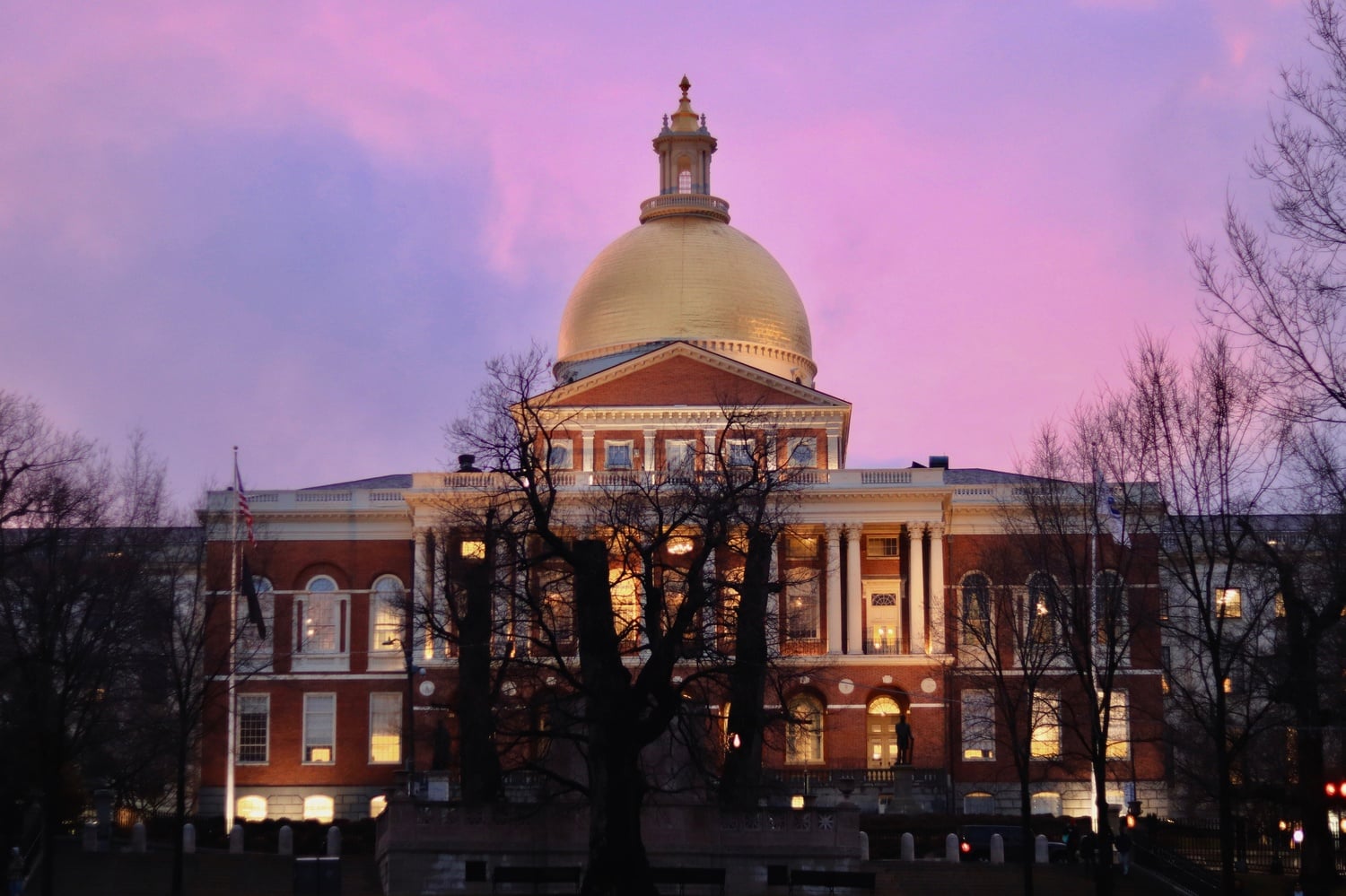
Massachusetts voters voted in favor of six of nine ballot questions — backing measures to keep recreational marijuana sales legal, allow public defenders to unionize, and preserve the state’s 2024 gun control reform law.
Voters additionally supported opening the state Legislature and governor’s office to public records, establishing a dedicated nature conservation fund, implementing same-day voter registration, and reducing the minimum lot size requirement for single-family homes.
Question 1, which removes public records law exemptions for the State House and governor’s office, saw the highest turnout of voter support — winning more than 86 percent of the vote. This will allow members of the public to request financial documents, correspondence, and contracts from both bodies.
“Lawmakers should not interpret this election as an invitation to rewrite the law to protect themselves, yet again, from the public’s mandate,” said State Auditor Diana DiZoglio in a statement. “Voters were given a clear choice, and they made their decision. The people of Massachusetts deserve a government that operates in the sunlight.”
Question 2, which will allow public defenders to unionize, won nearly 65 percent of the vote, according to the Associated Press. The Committee for Public Counsel Services was one of the only state agencies that lacked the right to collectively bargain.
Eligible Massachusetts voters will also now be allowed to register to vote on Election Day, as more than 56 percent of voters supported Question 4. Nearly 44 percent of voters did not support the ballot question.
And 61 percent of voters backed Question 6, which will redirect sales tax revenue from sporting goods, recreational vehicles, and golf courses to create a dedicated fund for nature conservation. The opposition had raised concerns that this would divert funding from other state programs, yet supporters argued that this was needed to treat nature with the necessary infrastructure.
Get The Crimson in your inbox.
Voters also largely supported the effort to keep a 2024 gun reform bill, with more than 68 percent of voters voting “yes” on Question 9.
But three questions failed to win voters’ support at the ballot box.
Ballot Question 3 — which sought to eliminate single-party primary elections in favor of a top-two system — was spearheaded by Harvard Professor Danielle Allen. Question 3 would have helped bring competition to Massachusetts races that are often uncontested and would have helped diversity the legislature, supporters said.
But many opposed to the measure voiced concern that an all-party primary would limit the chances for grassroots candidates to succeed. And voters shot down the ballot question, with 61 percent of the votes opposed, according to the Associated Press.
Massachusetts voters also overwhelmingly rebuked Ballot Question 8, which aimed to ban the sale of recreational marijuana ten years after the state legalized it. More than 75 percent of voters cast their ballots against the question.
Question 8 was the highest funded ballot question this cycle, with nearly $6.5 million spent on efforts to back and oppose the question. The effort to ban marijuana sales was led, and largely funded, by an out-of-state Political Action Committee: Smart Approaches to Marijuana Action, which is affiliated with a “health-first” nonprofit. Many opposed to Question 8 argued that it would reinvigorate an unregulated black market.
Two of the ballot questions remained too close to formally call by Wednesday night. Question 7, which sought to decrease the minimum lot size required for single-family homes, won 49.4 percent of the vote with 94 percent of the votes counted, according to the Associated Press. The minimum lot size was eliminated in February by the Cambridge City Council, yet 50.6 percent of voters were against implementing the policy statewide.
Question 5 aimed to reformulate the state’s tax revenue cap in an effort to limit government spending and spur more tax refunds in highly profitable years. But with 95 percent of the votes counted, 52 percent of voters rejected the ballot question.
—Staff writer Samuel Ruiz-Macias can be reached at [email protected].
Want to keep up with breaking news? Subscribe to our email newsletter
Have a tip for The Crimson? Share it confidentially