Hollywood Wants to Save Us from Big Tech (Sponsored by Big Tech)
David Fincher’s 2010 modern classic, “The Social Network,” birthed a modern myth: the arrogant, anti-social prodigy whose genius justified his cruelty. For over a decade, Hollywood has worked within this framework, casting the tech founder as a misunderstood antihero whose conceit is an inevitable price for progress.
By 2026, this myth has dissolved. In a landscape defined by anxieties over generative artificial intelligence and tech radicalization, cinema has turned its back on the mythical visionary. Multiple 2026 film releases — including Nathan Fielder and Lance Oppenheim’s “You Can See Everything,” Aaron Sorkin’s “The Social Reckoning,” and Luca Guadagnino’s “Artificial” — work to pull back the curtains on Silicon Valley, framing tech moguls less as misunderstood antagonists and more as existential threats.
Despite their valiant ambition, these films fail to dismantle the technocracy. By subjecting vast technocratic systems to Hollywood’s blockbuster mold, they reduce systemic threats to mere spectacle, preserving the very systems they claim to critique.
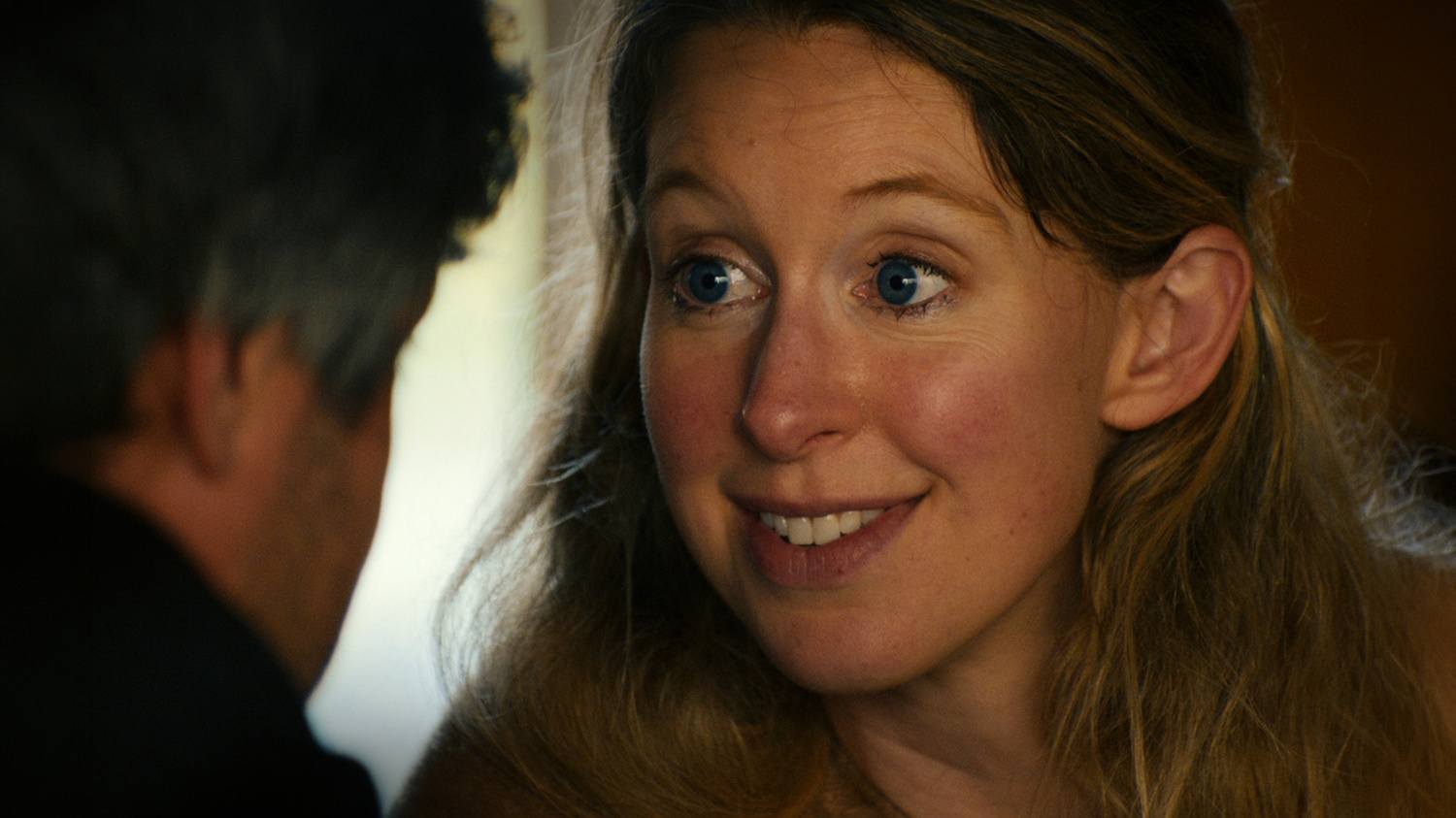
If any film in 2026 attempts to break free from traditional cinematic tropes, it’s “You Can See Everything.” Following Elizabeth Holmes in the 34 days leading up to her federal prison sentence, the meta-documentary turns its lens on media manipulation and performance. Fielder and Oppenheim consciously subvert classical American narrative idealism. Rather than staging a theatrical redemption or a moral epiphany, the directors deconstruct Holmes’ public persona down to the cadence of her voice and the framing of their camera angles.
While “You Can See Everything” avoids classic Hollywood tropes, it succumbs to an equally insidious trap: swapping structural critique with meta-irony. Framing a massive venture capital failure through Fielder’s deadpan humor simply converts institutional collapse into a form of dark comedy.
The audience is invited to indulge in feeling both intellectually and morally superior to Holmes, laughing at the absurdity of her persona. Watching the film at the Somerville Theatre, I found myself and fellow audience members actively participating in this mockery — laughing and gasping in awe of Holmes’ robotic-like movement and practiced blinks. That laughter unwittingly validated her performance, leading audiences to view Holmes as a character rather than as a con man. Viewers may leave the theater amused by a failed founder’s vanity, while the financial networks and institutional complicity that enabled her rise remains completely unscrutinized.
Where Fielder and Oppenheim lean into dark comedy, Aaron Sorkin’s “The Social Reckoning” returns to classic drama. Serving as a spiritual sequel to “The Social Network,” the film revolves around the 2021 Facebook leaks, following whistleblower Frances Haugen (Mikey Madison) and Mark Zuckerberg’s (Jeremy Strong) public relations in the wake of political unrest.
Trading Jessie Eisenberg’s awkward, tragic coder for Strong’s uncanny caricature of Zuckerberg, the film highlights Zuckerberg’s alien-like mannerisms to the extreme. Now a supremely powerful tech CEO, Zuckerberg weaponizes notions of “free speech” and “platform neutrality” to protect engagement metrics.
“The Social Reckoning” ultimately retreats into tired Hollywood tropes, framing its narrative as a classic David vs. Goliath conflict. The film follows a moral but naive whistleblower as she takes on a monolithic empire, culminating in a “fist-pump” inducing Senate hearing designed to satisfy the audience’s sense of justice. Despite the build-up, this approach offers a false sense of catharsis while — once again — leaving the corporate entity unscathed.
Ultimately, Sorkin misdiagnoses the problem. Facebook’s societal impact does not solely originate from Zuckerberg’s personal ethics, but from capital incentives designed to monetize outrage. By centering the crisis around the founder’s ethics rather than structural design, Sorkin falsely suggests that replacing bad actors with virtuous ones will repair the system.
Luca Guadagnino’s “Artificial” dramatizes the 2023 boardroom coup at OpenAI, fixating on the ideological rift between chief scientist Ilya Sutskever (Yura Borisov) and CEO Sam Altman (Andrew Garfield). Early reviews highlight Garfield’s performance as an eerie portrayal of an impassioned leader weaponizing public safety rhetoric to consolidate commercial power. Yet, if not handled carefully, “Artificial” could just become another case of Hollywood’s impulse to reduce existential threats to personal melodrama. Though it hasn’t been released yet, its inclusion of figures like Elon Musk into a broad boardroom drama transforms a world-altering technology into a cynical dispute among wealthy elites.
Perhaps more revealing than the narrative itself is the film’s turbulent distribution. Originally developed and funded by Amazon MGM, the project was dropped for not matching their “expectations,” with many speculating an internal conflict regarding its unflattering portrayal of AI governance. This move follows Amazon’s $50 billion partnership with the tech company in February to expand OpenAI’s use of Amazon Web Services and develop custom AI models. The film was then purchased for theatrical distribution by NEON. The reality of a film attempting to critique technological overreach potentially being canned by the very tech conglomerate funding it illustrates the thinning line between cinema and corporate censorship.
This line blurs exponentially as tech conglomerates expand into independent film. A24, long celebrated as a sanctuary for boundary-pushing indie cinema (like “You Can See Everything”), has increasingly aligned itself with tech-adjacent branding. The studio raised significant funding from Josh Kushner’s Thrive Capital — a major venture capital firm heavily invested in OpenAI. Further reinforcing its alliance, A24 partnered with Google to develop filmmaking tools and workflows. When even the frontiersmen of indie cinema rely on major tech investment, it becomes increasingly difficult to separate corporate bias from artistic commentary.
On a brighter note, this relentless corporate consolidation also sparks creative pushback. While mainstream studios and venture-backed indies align themselves with this technocratic capital, the intensified homogenization creates a radical demand for alternatives. Companies like NEON have demonstrated that independent distributors still possess the autonomy to challenge corporate homogeneity. More importantly, the tightening grip of media monopolies is driving a new generation of filmmakers away from corporate gatekeepers entirely.
Hollywood will continue to stage the aesthetic downfall of individual tech barons to pacify a restless public. But the technocracy will not be dismantled from within a conglomerate-backed media company. Genuine change might just come from an indie ending — one where independent production companies and grassroots artists reclaim ownership over the means of production, distribution, and pop culture itself. Now that’s a twist worth staying for.
Want to keep up with breaking news? Subscribe to our email newsletter
Have a tip for The Crimson? Share it confidentially