Cambridge Council Moves to Explore Renovations at 240 Albany St. Shelter
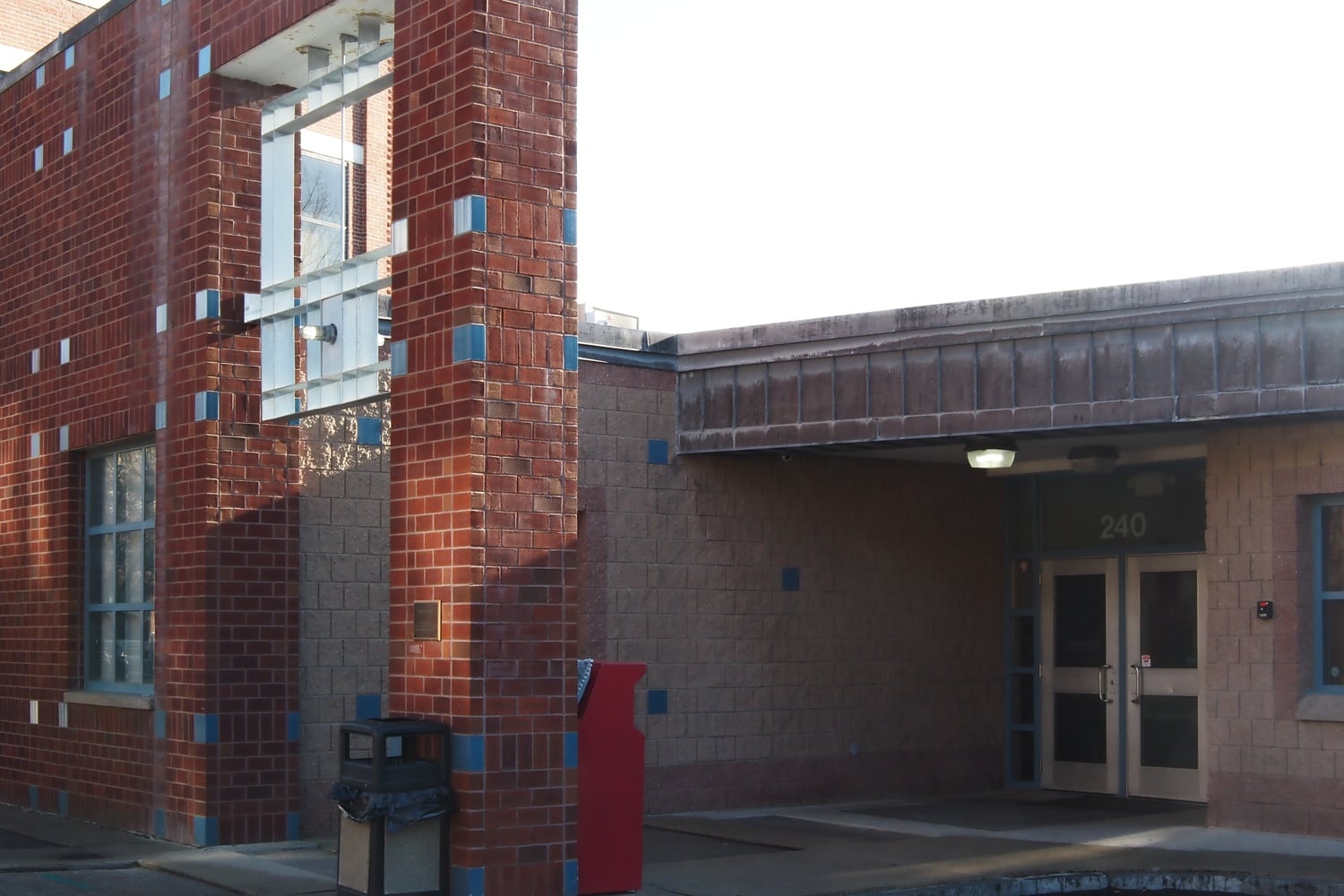
The Cambridge City Council voted unanimously Monday to explore renovations to the shelter at 240 Albany St., one of the city’s largest low-threshold shelters, which allows residents to stay regardless of active substance use.
The policy order directs city staff to examine options for redeveloping the aging facility in partnership with MIT, which owns the property, and Cambridge and Somerville Programs for Addiction Recovery, which staffs the shelter. Councilors described the building as undignified and long overdue for major repairs.
“If you have been in there, I don’t need to spend a whole lot of time convincing you on how awful that building is,” Councilor Marc C. McGovern said.
“There are leaks in the roof. There is mold. The showers don’t work half the time. The boilers break. There have been very, very little renovations done in that building for the 50 plus years, certainly for the years that it’s been a shelter,” he added.
McGovern, who has long advocated for improved shelter conditions, stressed that the vote was not about changing who operates the shelter.
The facility is staffed by CASPAR and Bay Cove Human Services, a city-contracted nonprofit that came under fire after yearslong allegations of mistreatment by staff and unsanitary conditions from residents.
Bay Cove also operated the Transition Wellness Center, a pandemic-era, temporary shelter at Spaulding Hospital that the city voted to shut down after its funding from the American Rescue Plan Act and its lease expired.
Get The Crimson in your inbox.
McGovern said the proposal is focused on addressing the physical condition of the space and beginning a structured, transparent renovation process.
“This is about the building, and the building sucks, in no uncertain terms,” he said. “It is not dignified for anybody. Let’s just forward this conversation in a more formal way to take a look at what’s feasible.”
The shelter, providing 60 dormitory-style beds, provides a significant share of the city’s low-threshold capacity.
“This is a wet shelter that has a very large number of the city’s current low threshold beds in our city, in Cambridge, and it's crucial to support this work,” Councilor Ayah Al-Zubi ’23 said.
“In reflection also with how the process was navigated with the Transition Wellness Center, it really matters how we approach our residents in this process with dignity — especially when many of us get the privilege of being warm in our homes during this frigid, cold weather — when spaces like these become literal lifelines,” she added.
Councilor E. Denise Simmons framed the effort as an opportunity to rethink not only repairs, but the shelter’s overall design, criticizing the current setup for leaving residents feeling “anonymous” and “warehoused.”
“The physical condition of the building is one problem, but the condition inside is how the residents are being treated on a day-to-day basis, and that’s as important as what the building looks like,” Simmons said.
“A renovated building without accountability is just a nicer place to be ignored and have the same problems,” she said.
—Staff writer Adelaide L. D. Roger can be reached at [email protected]. Follow her on X @adelaidelrg.
Want to keep up with breaking news? Subscribe to our email newsletter
Have a tip for The Crimson? Share it confidentially