From Sundance: ‘Josephine’ Leaves No Room for Comfort
Dir. Beth de Araújo — 5 stars
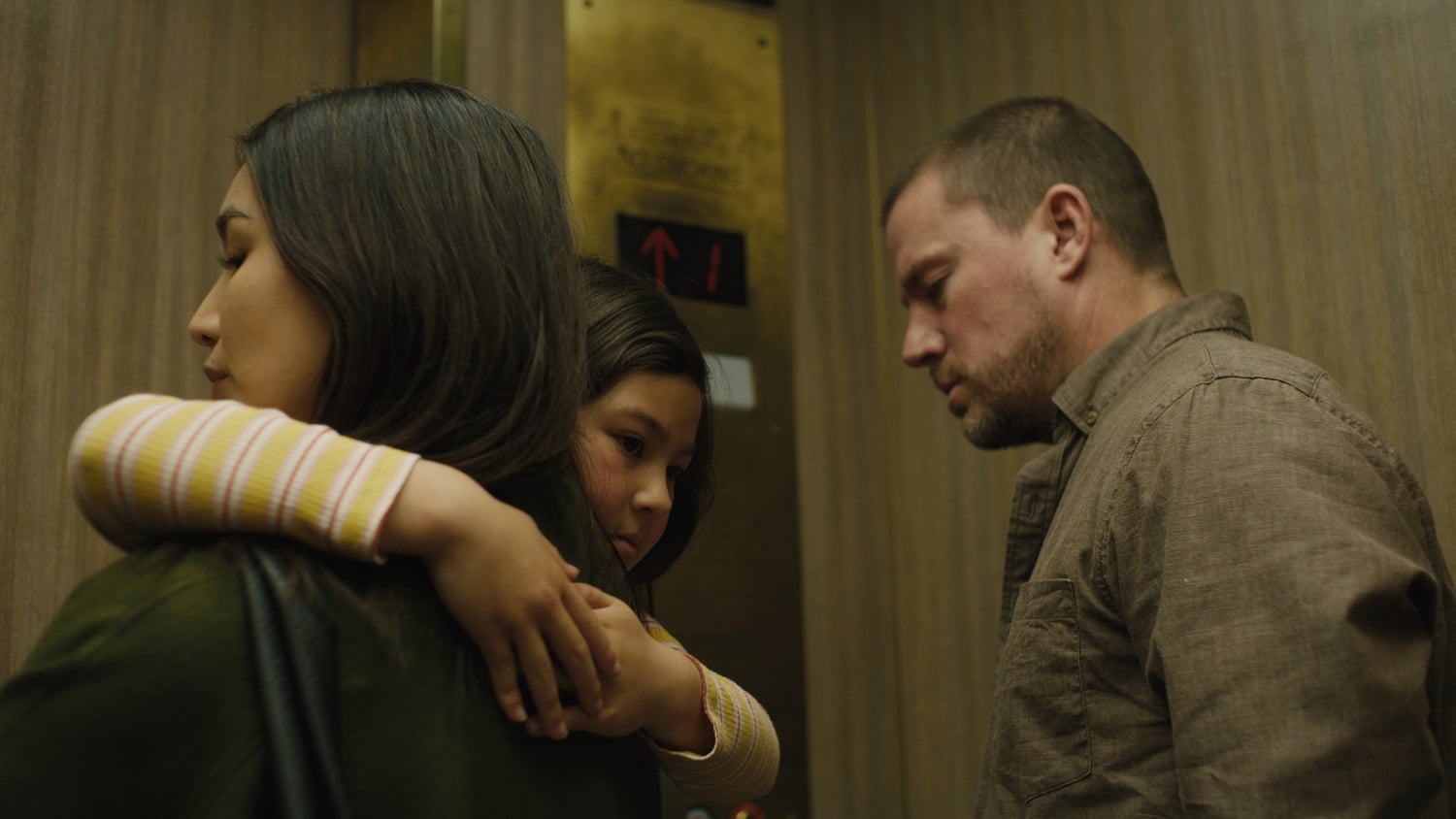
Difficult, unrelenting, and unforgettable, “Josephine” dares to show violence and trauma in ways most films shy away from. The storyline draws from writer-director Beth de Araújo’s own childhood experience witnessing a shocking crime, ultimately transforming a horrific act into a sustained, emotionally precise examination of fear, trust, and the long shadow of trauma.
Winner of both Sundance’s Grand Jury Prize and Audience Award for U.S. dramatic films, “Josephine” achieves the rare and unsettling feat of transporting the audience fully — and without excessive gimmick — into the consciousness of an eight-year-old girl confronting a sudden loss of innocence. After being accidentally separated from her father (Channing Tatum) while out playing soccer in Golden Gate Park, Josephine (Mason Reeves) witnesses a horrific attack that profoundly reshapes her inner reality and trust in the world.
The film remains relentlessly tethered to Josephine’s perspective, with its cinematography — including a number of shots framed directly from her point of view — and tension-building soundtrack forcing the viewer to inhabit her fear and confusion. Most hauntingly, De Araújo externalizes her trauma by allowing the figure of the attacker to lurk in the background of otherwise ordinary scenes, indicating how he and everything he represents continuously lingers in her mind. While one might expect Tatum to be the film’s driving performance, it is Reeves who ultimately steals the show with a nuanced portrayal of Josephine’s internal fracture.
One of the film’s most heart-wrenching, yet defining elements is its graphic depiction of sexual violence, which is made immeasurably more tragic by the fact that an innocent child is forced to witness it. The sequence walks a perilous line — risking the perception that it is exploiting trauma as an attention-grabbing device — yet “Josephine” successfully blends maturity and daring to justify its unconventional approach. By confronting the audience with the full horror of what this eight-year-old witnesses, the film condemns violence and sets up Josephine’s ensuing crisis in a way that a less direct or restrained approach could not have conveyed with equal force.
The consistent tension that follows signals de Araújo’s confidence in the choice, and ensures that the scene’s impact carries through the remainder of the film rather than existing as a moment of empty shock value. Even still, “Josephine” demonstrates an impressive emotional range, finding space for warmth — and even fleeting moments of humor — amid its somber subject matter. Much of this tonal balance can be credited to the dynamic relationship between Josephine and her father, with Tatum and Reeve’s chemistry serving as one of the film’s most authentic and effective elements.
Through this relationship, the audience acutely feels Josephine’s confusion as she is pulled between two opposing parental philosophies that place her emotional fracture in a whole new light. Her father’s worldview is rooted in action, justice, and physical preparedness, while her mother (Gemma Chan) responds to trauma from a place of inwardness and protection, leaving Josephine caught between the pair in her own search for a path forward. The film renders this push and pull with devastating clarity, revealing how even well-intentioned parental love can deepen a child’s sense of isolation in the wake of such a redefining moment.
By refusing the easy closure of a courtroom verdict, “Josephine” positions itself not as a reassuring narrative of justice but instead an unflinching case study in trauma and the irreversible loss of innocence. Although it is certainly a difficult film to stomach, its payoff comes in the form of a lingering discomfort that ensures “Josephine” will remain with its audience long after the screen fades to black.
—Staff Writer Sara R. Eyjolfsdottir can be reached at [email protected].
Want to keep up with breaking news? Subscribe to our email newsletter
Have a tip for The Crimson? Share it confidentially