Harvard Set to Begin Enforcing Tutor Eligibility Requirements, Crack Down on Unaffiliated House Tutors
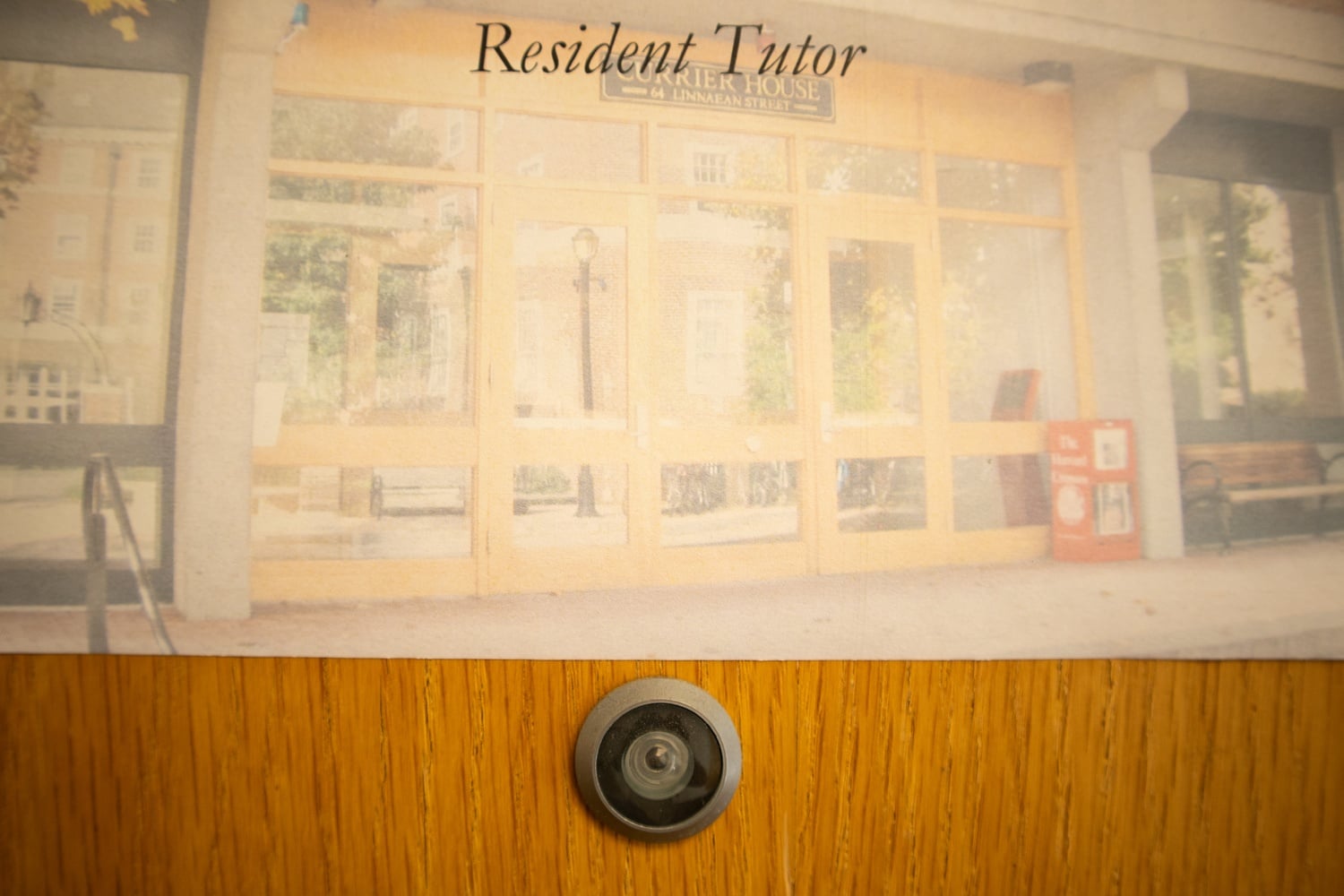
Dozens of resident tutors across Harvard’s twelve undergraduate Houses will be forced to leave their positions following a College decision to begin strictly enforcing a long-standing policy requiring tutors to be directly affiliated with the University, according to nine tutors familiar with the matter.
Harvard has long held policies mandating that tutors and first-year proctors be enrolled in a Harvard graduate or professional school or employed by the University. But for several years, those policies have often gone unenforced for House tutors.
In years past, faculty deans have routinely secured exemptions from the Dean of Students Office allowing unaffiliated tutors — including partners of affiliated tutors, medical residents at Harvard-affiliated hospitals, and professionals working in Boston and Cambridge — to serve in their Houses.
Now, under a new directive from top College administrators, tutors across the Houses have been told that they must hold a Harvard affiliation by the end of the 2026-27 academic year, or vacate their positions.
The change — which was communicated verbally by faculty deans over the last several months — could result in substantial turnover within the Houses and impact advising and fellowship teams. More than 30 tutors across the Houses are currently unaffiliated and will see their status jeopardized as next year draws to a close.
The Crimson spoke with nine tutors for this article, who were granted anonymity for fear of retribution. All argued the stricter enforcement is likely to lead to lower quality advising for students and disrupt continuity within House life.
A Kirkland resident tutor said that only two out of the House’s 18 current tutors would be eligible to stay on in the fall of 2027 under their current designations — a sign of the high turnover the House is likely to experience in the coming years.
While other Houses may not see as significant of an impact, several tutors said that students will lose access to seasoned advisers with years of experience in guiding students through scholarship and fellowship applications and law and medical school admissions processes. Harvard outperforms peer schools in competitive scholarships such as the Rhodes and the Marshall, and tutors are often credited with playing a key role in preparing and supporting successful applicants.
Get The Crimson in your inbox.
College spokesperson Jonathan Palumbo did not deny the stricter policy enforcement in a Monday statement to The Crimson, instead affirming the residential experience as a “core component” of the undergraduate experience.
“For these crucial roles, we will continue to prioritize members of the Harvard community who maintain direct affiliation to academic departments, schools across the University, and offices that support the teaching and learning mission of Harvard College,” he wrote of the tutor and proctor positions.
All Houses began their annual processes to fill open tutor positions ahead of the spring semester, and House administrators will hire with the new enforcement policy in mind. Still, several tutors said that a narrower pool of eligible candidates will make it harder for Houses to recruit tutors with the same range of professional and lived experiences as in years past.
Other tutors warned that the stricter enforcement could disproportionately affect advising for undergraduates on pre-medical tracks.
Most Houses’ premedical advising teams include at least one or two residents or physicians at Harvard-affiliated hospitals, who, under the newly enforced policy, will no longer be eligible to serve as tutors — potentially reducing pre-medical students’ access to guidance from peers actively navigating medical training and practice.
Some tutors also expressed concern that the stricter enforcement could accelerate turnover as tutors graduate and depart, reducing continuity for undergraduates and limiting opportunities for more experienced tutors to mentor newer hires.
Tutors did not receive formal written communication about the new enforcement guidelines, and were instead told by faculty deans in regularly scheduled one-on-one meetings or group check-ins with House staff beginning last fall.
—Staff writer Sebastian B. Connolly can be reached at [email protected] or on Signal at sbc.23. Follow him on X @SebastianC4784.
—Staff writer Summer E. Rose can be reached at [email protected] or on Signal at ser.85. Follow her on X @summerellenrose.
Want to keep up with breaking news? Subscribe to our email newsletter
Have a tip for The Crimson? Share it confidentially