‘Vladimir’: A Tacky Comedy that Relies Too Much on Rachel Weisz
2 Stars
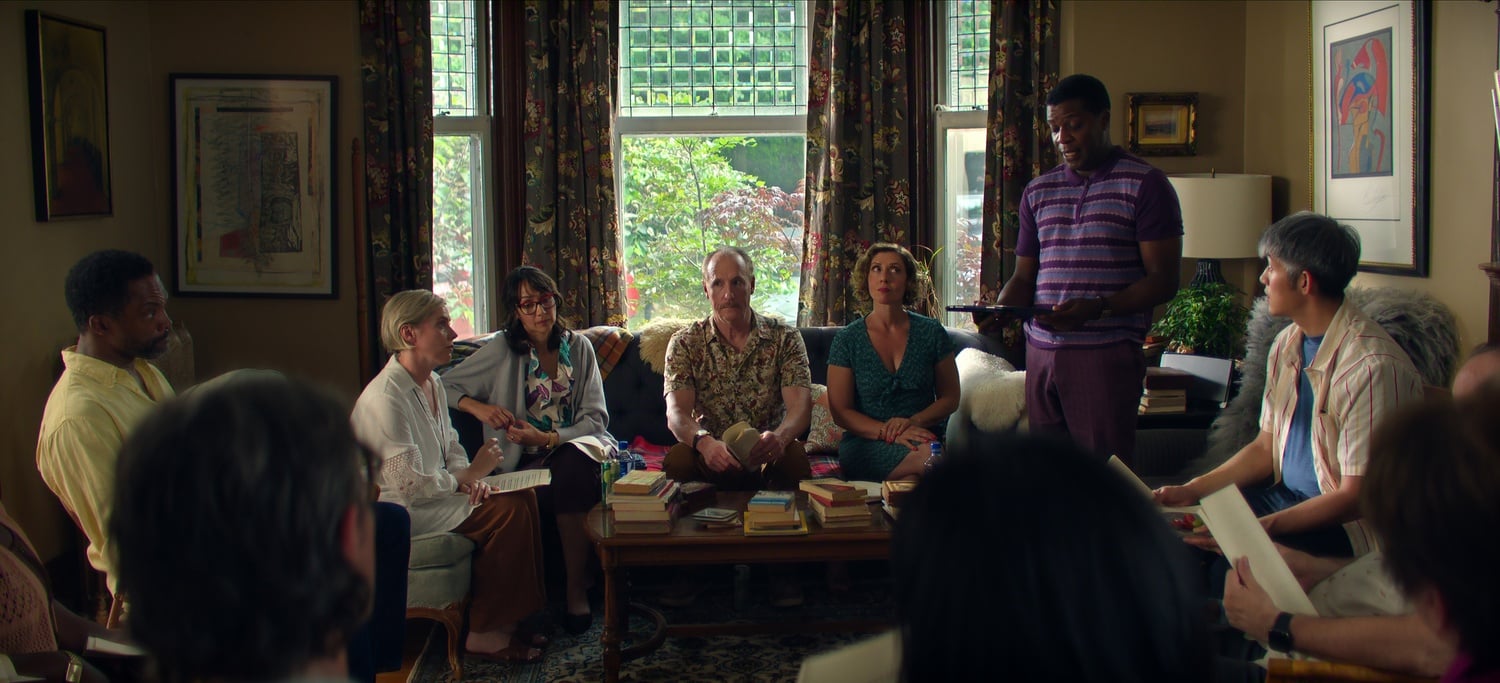
“When I was in college, the lust I felt for my professors was overwhelming,” said the narrator of Netflix’s recent release, “Vladimir.” This line only presents a small glimpse into the absurdity and moral dilemmas of the eight-episode miniseries premiered on March 5, which explores themes of female aging, desire, and power imbalances in academia.
The show attempts to put a comedic spin on the archetypal professor-student and professor-professor love affairs. Almost every scene is underlined with a millennial awkwardness that is neither realistic nor relatable, and the execution additionally falls short of an intriguing plotline and undermines the social issues it brings into question.
Based on Julia May Jonas’ novel of the same name, “Vladimir” made its Netflix premier on March 5. The show follows the narrator’s (Rachel Weisz) emotional volatility after learning of her husband John’s (John Slattery) love affairs with students. The show begins with the two in an open relationship while sitting on the thrones of the college English department. As John’s Title IX hearing approaches, the narrator develops an obsession with her much younger colleague and fellow writer Vladimir (Leo Woodall). Throughout the show, the narrator fails to control her impulses, consequently letting her infatuation with Vladimir become all-consuming.
Weisz’s unparalleled charisma and acting is the ultimate selling point of the show. She delivers her character’s strange and lustful monologues with a conviction that helps the audience better understand her absurd life choices and outlook. The narrator is unreliable and full of contradictions — simultaneously tactful and insensitive, self-absorbed and insecure. Weisz’s wide emotional range as an actress makes these seemingly juxtaposing traits more convincing. Yet this also presents a problem — the narrator manages to escape responsibility despite her irrational behavior towards Vladimir and other faculty members because she possesses the charms of Weisz. Since her inconsequential actions in the show would have major repercussions in real life, the show becomes difficult to resonate with and unrealistic.
Moreover, “Vladimir” tries too hard to be avant-garde, resorting to gimmicks rather than focused storytelling. The title sequence of each episode strives to create jarring visuals by including a nude painting. For example, in the first episode, “Patroclus” by Jacques Louis David suddenly appears in frame. Although the painting evokes the scholarly atmosphere of the show, it holds little connection with the episode. The paintings therefore become a display of bold sensuality rather than a necessary narrative device.
The frequent use of asides adds additional confusion, detracting from the emotional value of each scene and ruining the chemistry between the narrator and Vladimir. By exposing the main character’s embarrassing and often delusional thoughts, the show fails to make her likable. As a result, it is difficult to respect her unique perspective as a highly educated woman going through a midlife crisis. While one could argue her characterization is meant to demonstrate our own judgemental nature, it nevertheless takes away from the entertainment value of the show.
Even with the asides, there remains a lack of context for the interpersonal relationships in “Vladimir.” For instance, the narrator’s lips remain tightly-sealed when it comes to Lila (Kayli Carter) — who is involved in John’s scandal — posing a threat to the narrator by accusing her of retaliation. What seems to be a huge conflict gets quickly resolved by the narrator’s daughter Sid (Ellen Robertson). The audience knows nothing about the nature of Sid’s plan and Lila’s cryptic connection with the narrator. Hence, the show’s ending feels rushed, leaving behind several loose ends.
Another character that deserves more screen time is Vladimir’s wife, Cynthia (Jessica Henwick). While there are brief mentions of her suffering from depression and childcare troubles, these matters are soon overshadowed by her expressed interest in her husband’s affair. Unfortunately, Cynthia barely appears in the last two episodes, leaving her character unactualized.
Overall, “Vladimir” wastes a strong cast on tacky and unfocused storytelling. Despite introducing the audience to thought-provoking and complex characters, the show does not give them a chance to justify their seemingly imprudent decisions. Thankfully, each episode is short and sweet (maybe a little tangy), so if it’s not an audience member’s cup of tea, they can just cringe or laugh at it, then move on.
Want to keep up with breaking news? Subscribe to our email newsletter
Have a tip for The Crimson? Share it confidentially