‘Drive to Survive’ Season 8 Review: A Beautiful but Overly Dramatic Formula 1 Documentary
3 Stars
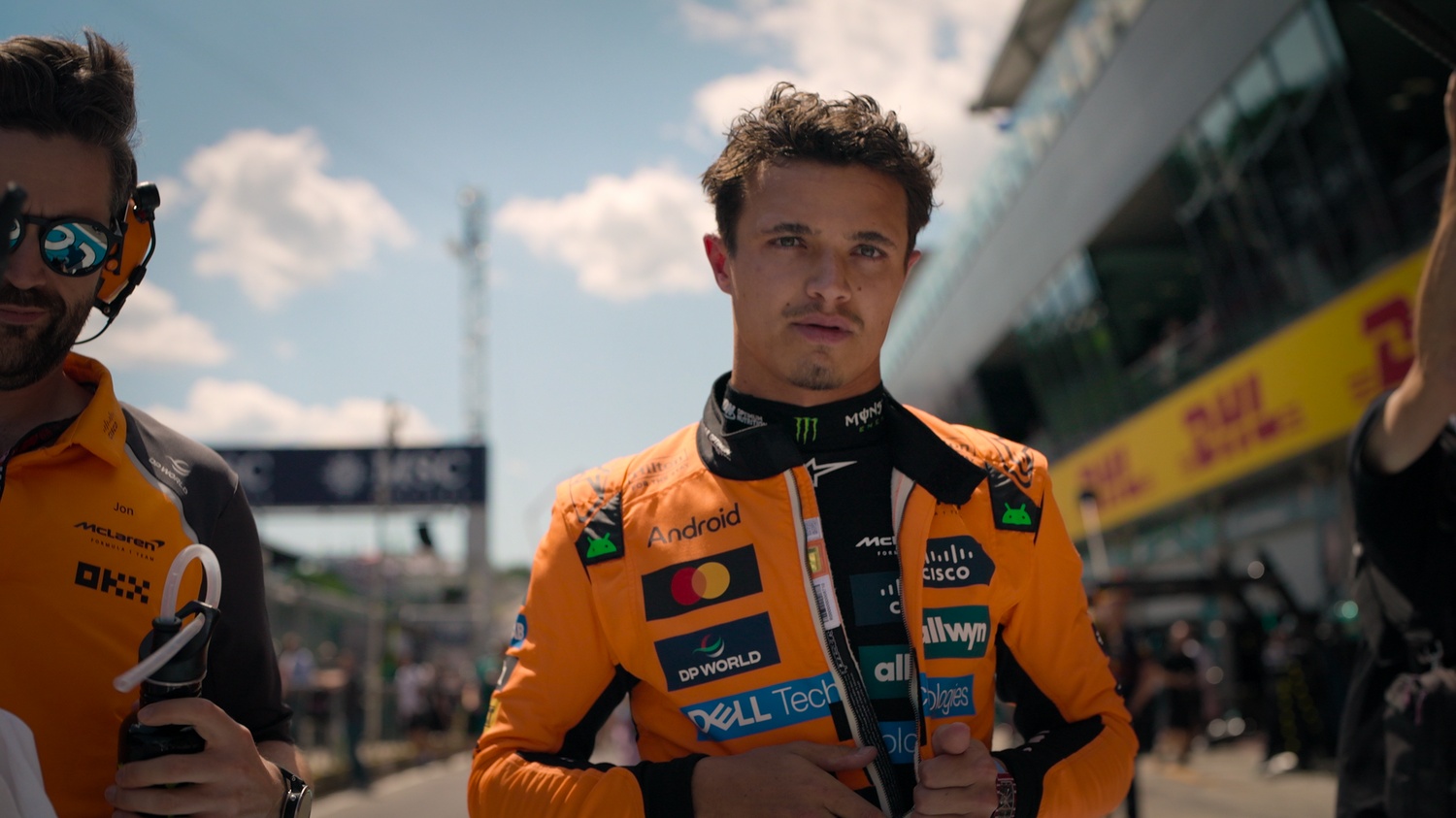
Formula 1 is the pinnacle of motorsports. Netflix is a major streaming platform. A combination of the two should form a grandiose show. But can two top entertainment industries live up to the fans’ expectations? “Formula 1: Drive to Survive” Season 8 says not yet.
The 2025 Formula 1 season was one of the most interesting seasons in the ground effect era. The McLaren-Mercedes domination with papaya-colored cars leading the championship, their close rivalry with Max Verstappen from Oracle Red Bull Racing, occasional victories by Mercedes-AMG, and many unexpected podiums made this season unforgettable to F1 fans. It was thus a seemingly perfect moment for the Netflix directors.
“Formula 1: Drive to Survive” Season 8 — the continuation of the Netflix series releasing the behind-the-scenes of Formula One — therefore had the potential to be the greatest season of the series, and yet it chooses to emphasize fabricated drama once again, in a sport that is full of authentic drama to begin with.
The show certainly had a few strengths. The visual picture is excellent: Bright colors and incredible shots highlight the beauty of the F1 cars. Episode Four was particularly strong, following Red Bull’s team principal Christian Horner’s sacking. The episode depicted the actual human emotion within the teams and, for the first time, the Red Bull principal was not portrayed as a one-dimensional villain, but simply as another person in the sport struggling for success.
The unexpected kindness from rivals of Red Bull such as Jonathan Wheatley, principal of the Kick Sauber team, and Flavio Briatore, executive advisor of the Alpine Racing Limited, added poignancy to the series. It was indeed something that a general Formula 1 enjoyer sees very rarely during the race week-ends.
A viewer not familiar with the sport will enjoy and have fun with the show. It is much like watching a blockbuster: easy to follow, dramatic, and with a very simple storyline. However, equally as a blockbuster may not necessarily satisfy an experienced spectator, “Drive to Survive” cannot fulfil the expectation of a serious F1 fan.
Despite being an emotional rollercoaster and beautifully shot entertainment, many F1 fans who followed the season closely remain dissatisfied with the exaggerated drama and forgotten important moments of the season.
Most of the sport followers want to see more action within the team, not simply with the drivers and team principals. The series repeatedly reminds viewers that thousands of people work behind the scenes, though never actually shows the people who do this work — the engineers, the strategists, and so on.
And that’s where the show is lacking. Instead of sharing new, interesting stories, the directors decided to show what we already knew: struggles of the new drivers, Carlos Sainz’s difficulties in Williams, the Mercedes and Ferrari rivalry. Showing everything in an alternative way, the directors exaggerate the actual events that happened on track, which twists the real action of the sport.
Netflix’s pursuit of emotional storytelling and dramatic plot damaged the accuracy of the show. Many great moments such as the first podium of the rookie Racing Bulls Driver Isack Hadjar, Red Bull’s junior F1 team, or the superb performance of rookie Hass driver Oliver Bearman throughout the season did not make the final cut. Instead, overly pronounced Zak Brown, CEO of the McLaren-Mercedes team, and scripted-talking George Russell, racing driver of the Mercedes-AMG Petronas team, held most of the screentime repeating pompous phrases about risks and necessity to perform, leaving the final effect dry and tiring.
Furthermore, almost every statement is a cliche or an overstatement. Directors specifically chose to frame the dialogues in a way that emphasises even the smallest drama on the track, which often leaves other aspects disregarded. Equally as with the previous seasons of the show, it is evident that the priority of the producers is not the accuracy, but a simplified, dramatized version of the sport that often feels closer to reality TV than documentary storytelling.
The most interesting part of the 2025 season was the unexpected title fight between McLaren drivers and Max Verstappen, after the Red Bull driver made one of the most dramatic comebacks in the history of the sport finishing just two points behind Lando Norris after he had a 70 points lead. And yet, “Drive to Survive” omitted the most epic action of the season until the final episode, leaving the main emphasis on the McLaren-Mercedes driver Lando Norris, consequently downplaying achievements of the Red Bull team throughout the second half of the season.
Overall, “Drive to Survive” Season 8 behaves much like its predecessors: Interesting for those who have not followed the actual races, but disappointing for the die-hard fans of Formula 1. Netflix impresses with visuals, but fails to accurately represent the sport and the people in it. And what’s the result? A mediocre show whose addition to the sport is merely more memes for fans to enjoy.
Want to keep up with breaking news? Subscribe to our email newsletter
Have a tip for The Crimson? Share it confidentially