Puppet Showplace Theater’s ‘Rapunzel’: Slapstick Comedy Shines in a Dynamic Medium
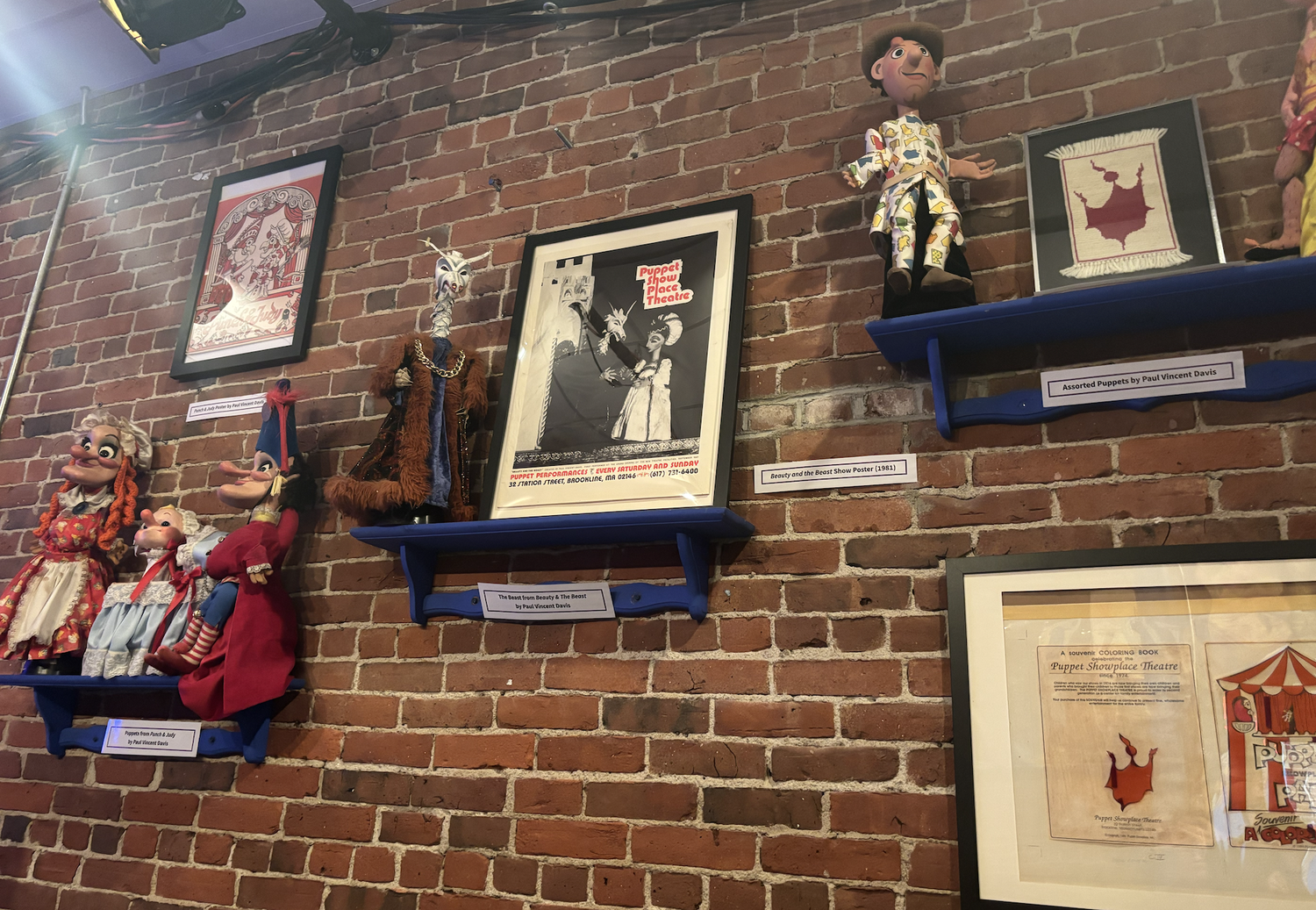
On March 8, the Puppet Showplace Theater in Brookline featured Elizabeth Dapo’s “Rapunzel,” a 40-minute show adapted from the Brothers Grimm’s fairy tale rather than the Disney film “Tangled.” Dapo is a puppeteer and puppet maker who performs around the world and has worked with prestigious companies such as National Geographic, the Jim Henson Company, and Puppet Co. Dapo’s retelling of “Rapunzel” featured a humorous lens that successfully targeted children ages four to eight through the use of slapstick comedy, opportunities for play, and the removal of the darker elements of the Grimm’s fairy tale, like the details of Rapunzel’s maltreatment.
Dapo has been working in professional theater since high school and is currently the lead performer and puppeteer on the WHYY/PBS children’s show “Albie's Elevator.” Rooted in this training, she opened the “Rapunzel” performance with education and audience participation. In a fill-in-the-blank question format, she asked the audience to explain the glove puppetry that would be performed during the show. Similarly, Dapo concluded the play with a Q&A section that explained the behind-the-scenes mechanisms in accessible language. While this section slightly broke the magic, it enabled a unique theater medium to feel more tangible and inspired a greater appreciation for the expertise.
From the first scene, slapstick comedy lightened the plot. After asking her husband to steal the witch’s rapunzel, a species of edible plant, the wife feigned fainting each time he refused. Eventually, the husband agreed in order to avoid his wife’s shrill singing — a cheerier motive than the original plot where he steals the vegetables to save her life. Upon receiving a yes, she dramatically kissed him. Dapo showcased her immense skill as the puppets’ motions, including curved body movements like exaggerated hugs, were lifelike.
Additionally, there was a clear distinction in each character’s voice with seamless transitions between each and without any of the pitches sounding contrived. This feat was especially impressive in rapid dialogues like bickering. The dialogue throughout the performance lent to a captivating and excellent act.
On his way to the witch’s garden, the husband sang an earworm tune ending in a fart-like poof aligning with scatological humor. This tune was repeated twice more as his wife constantly sent him back to steal more rapunzel. The second time, the husband began to sing “We Will Rock You” by Queen and “Anything You Can Do (I Can Do Better)” by Irving Berlin until he realized these were not the correct songs and returned to his original tune. These cultural references slightly modernized and humourized the classic fairy tale. The third time the man was sent to the garden, the audience was encouraged to sing along, leading to a joyful chorus of children and adults.
Physical comedy was further added as each time the witch climbed down Rapunzel’s hair she dramatically fell. Moreover, each time she returned to the tower she passed through briers that pricked her, causing hyperbolical yelps and jumps. Similarly, after discovering that Rapunzel met the prince, the enraged witch tried to catch her in a comedic Tom-and-Jerry-style chase scene. Dapo made wonderful use of space as the two characters spun around the tower, popped out of windows, and jumped up and down.
While the plot was simple and idyllic, the Puppet Showplace Theater did a marvelous job adding to the tale’s juvenile joy with its additions through providing coloring sheets, dress-up stations, and opportunities to play with puppets before and after the show. Additionally, the adaptation highlighted to their young target audience that things do not always fit the status quo.
For instance, princesses can be named after vegetables and witches are not entirely evil. Unlike in the original fairy tale or Disney’s “Tangled,” it was heavily highlighted how much the witch wanted to be a mother and the immense effort she placed into caring for Rapunzel, which humanized the villain.
However, cardboard props were used which lowered the otherwise-high quality of the show. The transitions between scenes were slow — mainly a result of the show being a one-woman performance. Still, there weren’t that many transitions in the play, so these minor slow points didn’t overshadow the enthralling energy of the scenes themselves.
While this production was advertised for young children, the creativity and ingenuity of the adaptation had something to offer for everyone.
—Staff Writer Shira Parnes can be reached at [email protected].
Want to keep up with breaking news? Subscribe to our email newsletter
Have a tip for The Crimson? Share it confidentially