From SXSW: Where Film Meets the Future
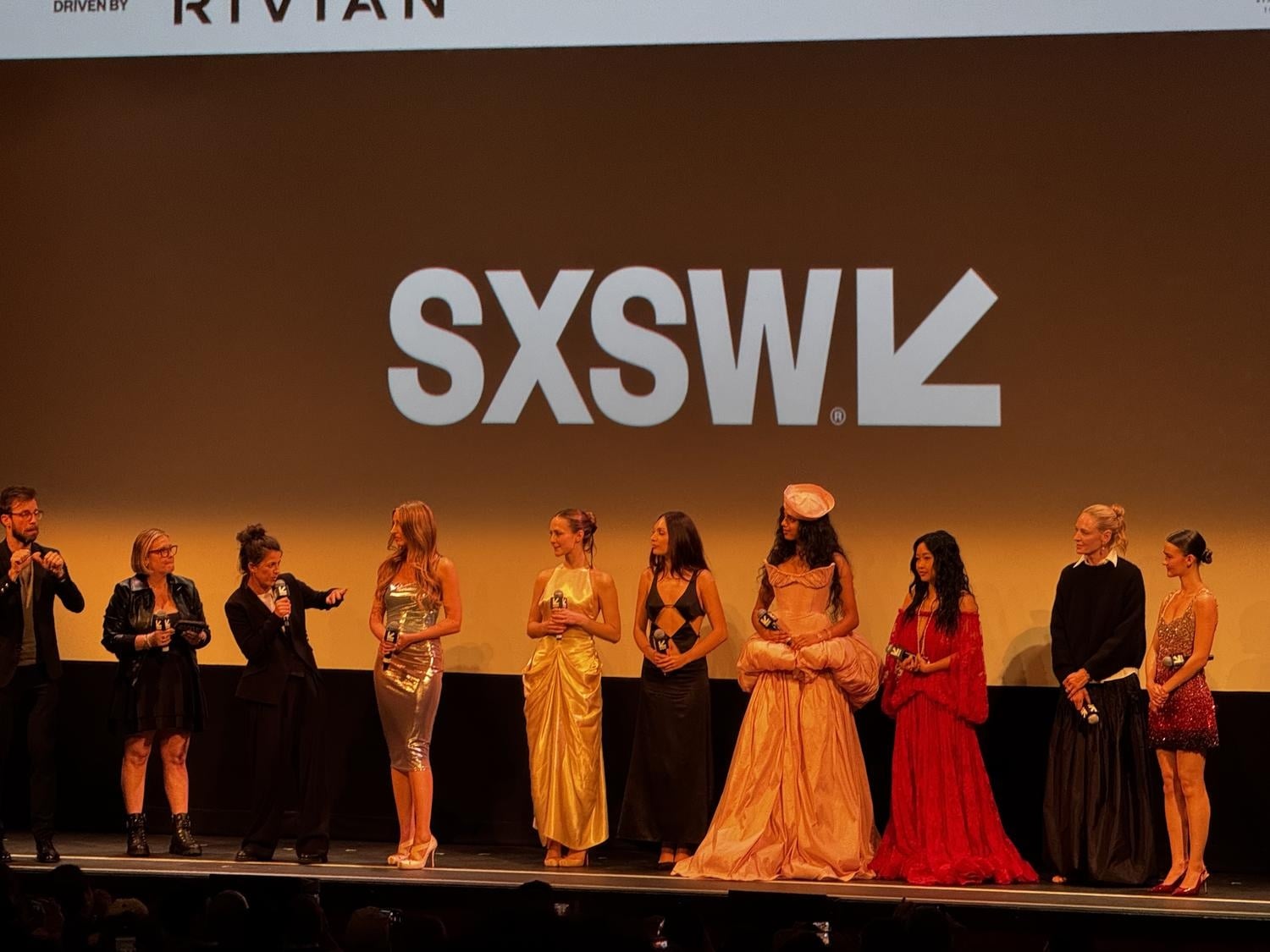
The 2026 South By Southwest Festival kicked off on March 12, opening its Film & TV Festival with Boots Riley’s “I Love Boosters,” a wildly entertaining absurdist comedy following a group of shoplifters, led by Keke Palmer, as they face off against a luxury fashion mogul (Demi Moore). Choosing “I Love Boosters” as the headliner film sets the tone that SXSW is known for — genre-bending, action-packed, and strange in the best way.
With the Austin Convention Center under demolition — the longtime anchor of the festival’s physical footprint — everything was a little more spread out and a little more hectic. Attendees traveled on foot, scooter, and Waymo between screenings, panels, and parties scattered across Downtown Austin. Still, this “The City as a Venue” concept allowed for events to occur in different clusters of hotels, restaurants, and social spaces across the city — pushing the festival deeper into local neighborhoods and spots.
As the 98th Academy Awards ceremony fell on the fourth day of the festival, SXSW occupied an interesting moment in the entertainment calendar, spotlighting headliner films that — for lack of graceful wording — will likely not be considered by The Academy next year. Nevertheless, they were huge attractions, with people lining up hours before screenings at the Paramount and State theaters, hoping to catch the headlining films.
Horror fans were especially well-served, with “Ready or Not 2: Here I Come” and “They Will Kill You,” being two of the most anticipated films — proving that the ‘everybody is trying to kill the protagonist’ subgenre is having a real moment this year.
It was also a big week for women-led features. Headliner “Pretty Lethal” was a ballerina action thriller, starring an impressive cast of leading young actresses alongside the accomplished Uma Thurman, and was directed and written by Vicky Jewson and Kate Freund respectively. “Forbidden Fruits,” a mall-set horror comedy, also features a women-led cast and crew, offering a morbidly unique take on sisterhood. Even though neither film quite stuck the landing, this milestone is worth celebrating.
Still, it was the Narrative Feature competition — highlighting the work of emerging voices — that housed the most impressive work. Graham Parkes’ “Wishful Thinking” deservedly took home the Narrative Feature prize. Will Ropp’s “Brian” as well as Maude Apatow’s “Poetic License” were compelling, refreshing takes on the school-set comedy. That all three were feature directorial debuts made the achievement even more striking, and the future of film feel a lot brighter.
On the TV side, offerings felt urgently relevant. Whether it is the OnlyFans-centered subplot in “Margo’s Got Money Troubles” or the data-mining tech lords of the Silicon Valley satire “The Audacity,” stories are increasingly leaning into the messy reality of life in an era defined by platforms, creators, and technology.
And then there’s AI. If previous years weren’t salient enough, 2026 felt like a tipping point. The Innovation Conference served as the hub for this — offering special tracks in Tech & AI, Startups, Brand & Marketing, and more — but talks about AI found their way into film, music, and even comedy programming. Notably, several discussions including “Behind the Scenes: Empowering Production with AI Tools,” focused on how AI can be harnessed positively in filmmaking and film marketing.
The conference’s keynote speakers included Steven Spielberg, who discussed science fiction and made a playful jab at Timothée Chalamet’s comments on ballet and opera. Other featured speakers and guests included Jamie Lee Curtis, Serena Williams, Bob Odenkirk, Spotify co-CEO Gustav Söderström, and California governor Gavin Newsom. This wide range of speakers reflected the festival’s unique breadth: part Hollywood, part tech summit, part cultural barometer.
Beyond the premieres and panels, the festival continued to serve as a launchpad for emerging voices and unconventional storytelling. 2026’s SXSW lineup leaned heavily into bold premises, genre mashups, and stories that blur the line between comedy, horror, and social satire — exactly the kind of filmmaking the festival has long championed.
By the last day, March 18, things were settling down. Despite some traffic headaches and unpredictable weather, there was a sense of optimism in Austin. Unlike more traditional film festivals, SXSW puts film in direct conversation with technology and business. Humanoid robots share the streets with festivalgoers, while driverless cars drive alongside humans. VR demos, AI startups, and networking events are everywhere. This is a place that is actively embracing technology — something that will surely prove important as the entertainment industry continues to evolve.
In an age of digital saturation, SXSW is a reminder of the power of gathering in a crowded theater — or a bustling Austin street — to share a story. But it is also an event that refuses to separate art from innovation, and right now, that feels like exactly the right instinct.
—Staff writer Capri S. Wayne can be reached at [email protected].
Want to keep up with breaking news? Subscribe to our email newsletter
Have a tip for The Crimson? Share it confidentially