Environmental Groups Push Back on MWRA Plan Allowing Sewage Overflows Into Charles
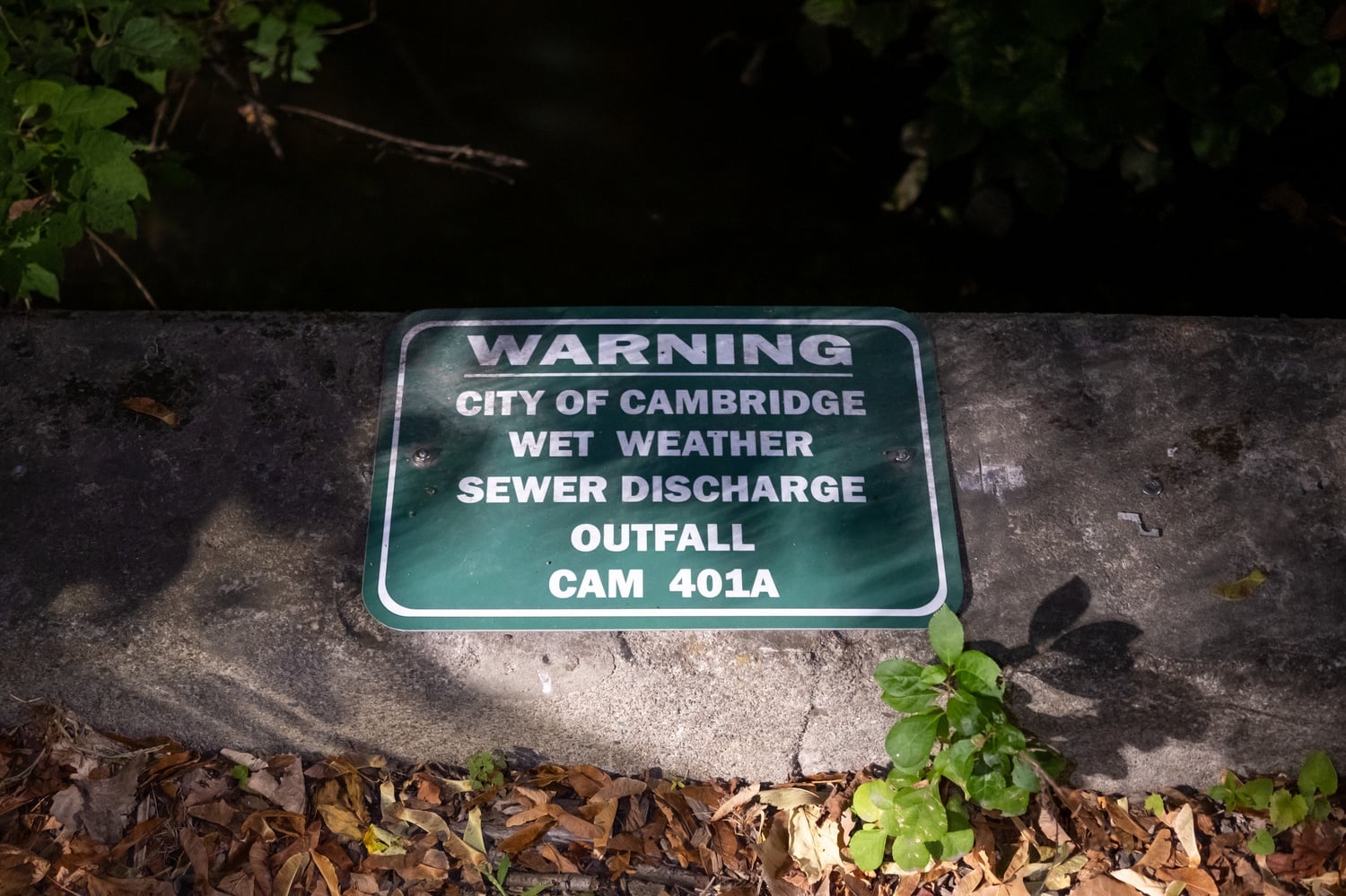
The Massachusetts Water Resources Authority is facing pushback from environmental groups across the state as it moves closer to allowing a proposal that would allow continued sewage overflows into the Charles River.
The region’s Combined Sewer Overflow system collects both wastewater and rainwater and discharges the mixture into several Greater Boston waterways — including Alewife Brook, the Mystic River, and the Charles River — during heavy precipitation. In February, the MWRA voted to begin drafting an updated CSO Control Plan, which must be submitted to regulators by April 30.
The draft proposal would eliminate overflows in a typical year but still allow CSOs to discharge during larger storms — a move advocates said could pose public health risks. Residents in the Alewife area have long complained that CSOs contribute to periodic flooding in their neighborhoods.
The MWRA considered four levels of regulation. Other proposals would have allowed some sewage overflows during an average year or restricted overflows to large storms expected roughly once every five years. The most restrictive — and most expensive — option would limit discharges to extreme storms that occur about once every 25 years.
Environmental advocates said the current proposal would still permit significant wastewater discharges into the Charles, rendering the river unsafe for swimming for at least 48 hours after major storms.
“A single five year storm event would result in 15 million gallons of untreated sewage getting dumped into Alewife Brook, and that would flood into our neighborhoods and bike paths and homes and yards,” said Kristin Anderson, a steering committee member of the advocacy group Save the Alewife Brook.
“It’s clear that this plan that MWRA voted on — approved last week — it shows that they don’t care about public health,” she added.
The Charles River Watershed Association has proposed alternative approaches to reducing CSOs, including separating stormwater and sewage pipes, building large underground storage tanks, and implementing green infrastructure such as wetlands, green roofs, and rain gardens.
Get The Crimson in your inbox.
Much of the region’s sewer system, built in the 1800s, does not separate stormwater from wastewater. During heavy rainstorms, the system cannot handle the surge in water volume, causing contaminated runoff to overflow into the Charles through CSO outfalls.
“It’s really a limitation on people’s enjoyment of the river,” said Emily Norton, the executive director of the CRWA. “It’s also not good for the flora and fauna of the Charles River to have sewage discharged into it. So it’s not healthy for the river, certainly not healthy for people who might like to use the river.”
Groups including Save the Alewife Brook and the Charles River Watershed Association have also criticized the MWRA for what they describe as a lack of responsiveness to public concerns.
“If they were responsive, they wouldn’t have had this horrible plan,” Norton said. “We show up, we provide public comment, and they completely ignore it. And they ignore comments from other members of the public. We are far from the only ones who are disappointed by this.”
In a statement to The Crimson, the MWRA said the current vote represents only the first step in the public process. Once the proposal is filed at the end of April, the authority wrote that a “robust public comment period will take place to solicit feedback from stakeholders and members of the public.”
Norton argued that elected officials also bear some responsibility. Governor Maura T. Healey ’92 and Boston Mayor Michelle Wu ’07 both appointed MWRA board members who voted to advance the draft proposal.
“It’s extremely frustrating to us that people in Massachusetts love the Charles River and don’t want to see it being used as a toilet, and yet our elected leaders are voting — elected and appointed leaders are voting — to continue to use it as a toilet,” Norton said.
Spokespeople for Wu and Healey did not respond to a request for comment.
—Staff writer Isabel K. Crews can be reached at [email protected] or on Signal at isabelcrews.29. Follow her on X @isabelkcrews.
—Staff writer Maya Fu can be reached at [email protected].
Want to keep up with breaking news? Subscribe to our email newsletter
Have a tip for The Crimson? Share it confidentially