Harvard Shouldn’t Fear Debate
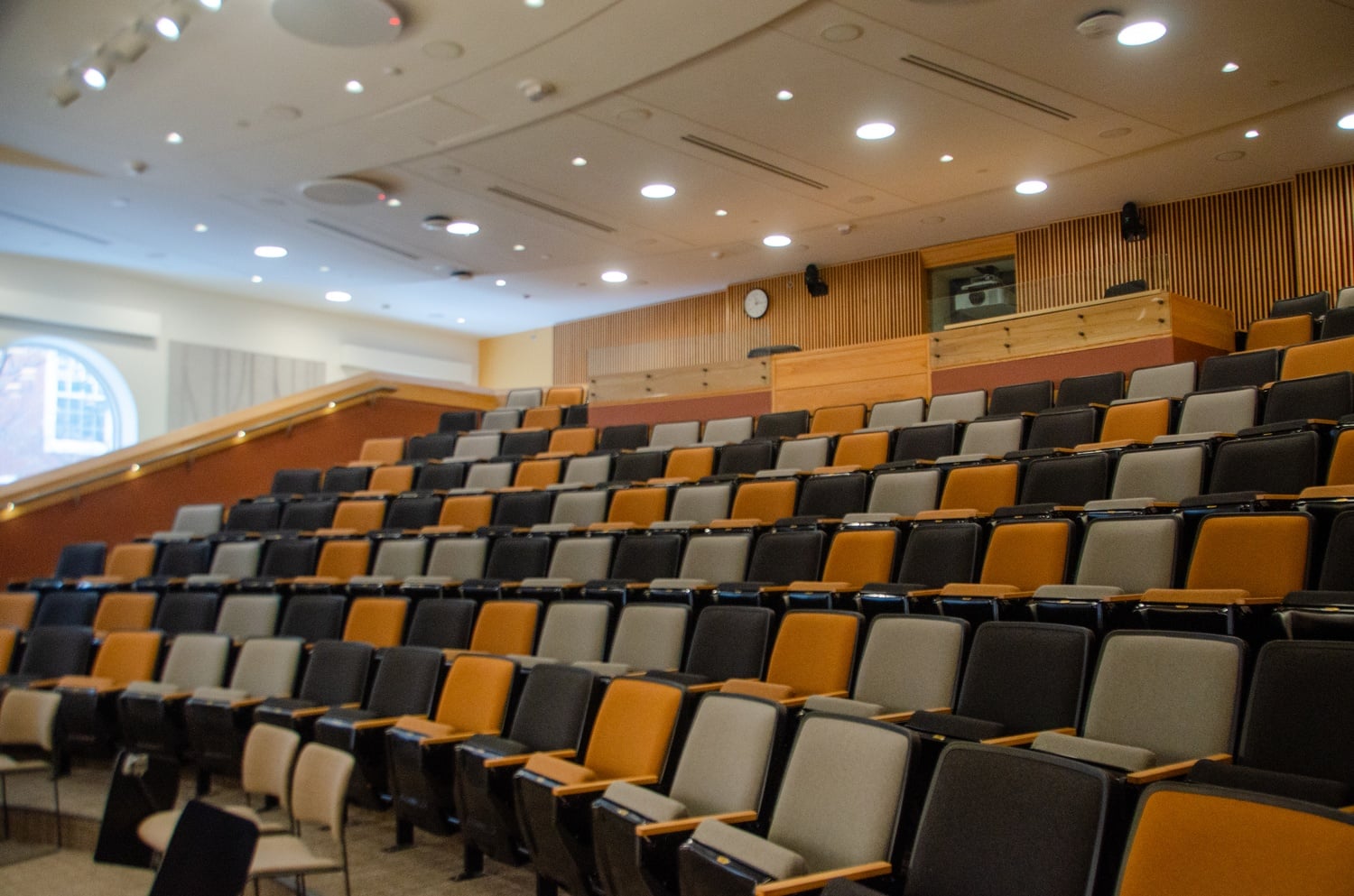
Harvard’s open marketplace of ideas has been closed to certain vendors.
Last month, the student organizers of a high school debate tournament hosted by the Harvard College Debating Union withdrew a motion on Jewish emancipation after it drew intense criticism, particularly over concerns that it might invite antisemitic arguments.
The decision to withdraw the motion didn’t protect students — it merely denied them the chance to engage in a productive discussion on an oft-overlooked topic.
Regrettably, Harvard has gotten into the habit of shying away from controversial topics. Whether in the cancellation of a journal issue related to Palestine or in students’ heightened reluctance to voice controversial views, we must recognize that rigorous discourse can’t thrive in an environment sanitized of controversy.
Rather than steering clear of controversial discussions like this one, Harvard students, faculty, and administrators must lean into real, uncomfortable discourse. In a time of escalating antisemitic sentiment nationwide, meaningful engagement with such topics is crucial. Preparation for the debate would have necessitated deep student engagement with the historical, religious, and moral themes surrounding the matter.
Some critics argued the motion was too vague and could be used to justify antisemitism, calling it “corrosive” and “socially destructive.” Others worried that students might feel uncomfortable debating the topic and opt out altogether.
But the possibility of bad-faith interpretation is a weak basis for pulling the motion altogether. To run away from the risk of harm done during a debate while boasting of intellectual vitality and working to include alternative viewpoints strikes us as contradictory. It also reflects a lack of confidence in our ability to handle these subjects with grace.
It’s hard to imagine structured, rigorous debate on the topic would inflame antisemitism more than it would expose and discredit it. In preparing for debate, students conduct extensive research to exercise command of the facts. Going through that process would have been a worthwhile exercise in this case.
One Israeli coach, for example, spent hours instructing his students in the history behind the motion — history they may not have otherwise encountered.
Debate intentionally engages with controversial subject matter. Participants are expected to handle topics from capital punishment to nuclear disarmament. Debate entails charitable interpretation, and these students should have been given the chance to exercise their interpretive faculties.
We reject the notion that students aren’t capable of critically discussing contentious topics: If not in debate, where should students learn to confront such questions?
To say we cannot — or should not — debate questions because someone could possibly advance a harmful view is to suggest that we already know all there is to know about our most important controversies, and that the proper response to unwise ideas is not to confront them, but to cordon them off.
As Harvard stares down the barrel of an antisemitism lawsuit from the Department of Justice, the long-awaited return of our robust speech culture must not be further delayed. For higher education as for debate: It is the responsibility of participants to promote genuine discourse in the name of intellectual and moral development.
If Harvard won’t make space for difficult conversations now, it should not be surprised when free discourse continues to rot.
This staff editorial solely represents the majority view of The Crimson Editorial Board. It is the product of discussions at regular Editorial Board meetings. In order to ensure the impartiality of our journalism, Crimson editors who choose to opine and vote at these meetings are not involved in the reporting of articles on similar topics.
Have a suggestion, question, or concern for The Crimson Editorial Board? Click here.
Want to keep up with breaking news? Subscribe to our email newsletter
Have a tip for The Crimson? Share it confidentially