‘Ambiguous Desire’ Album Review: Arlo Parks Masters the Art of Storytelling
4 Stars
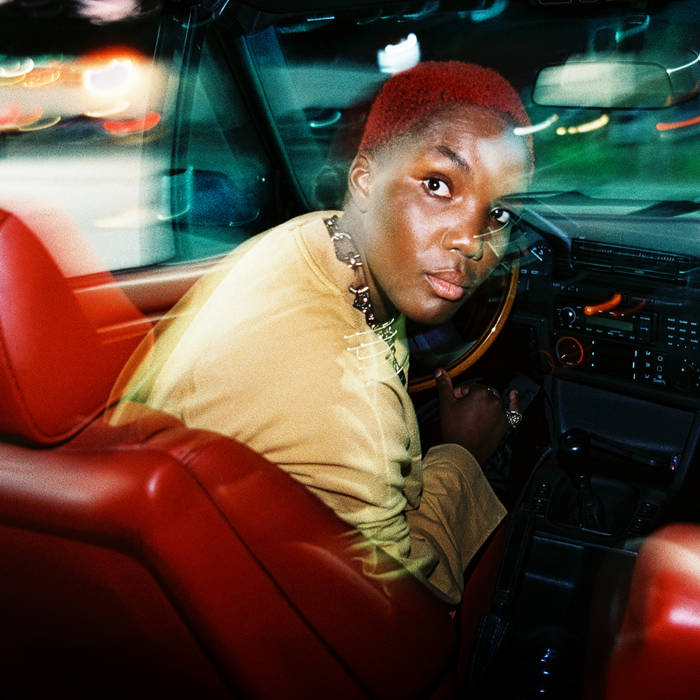
Released on April 3, Arlo Parks’ new album, “Ambiguous Desire,” is a masterful display of storytelling through song. The West London native paints a clear picture of her world through the careful use of detailed imagery, allowing her music to ascend from the theoretical into a tangible dimension.
Along with its gorgeous lyrics, “Ambiguous Desire” covers new musical grounds to materialize Parks’ songs. The production of the music itself is a slight departure from the sound of Parks’ first two albums, moving from her original soft indie vibe to a faster, dance-tempo style.
By including specific details that describe the setting and ambiance of her songs, Parks invites listeners into her world, making her songs seem like they are stories being told by a close friend rather than a stranger. This approach can clearly be seen in some stand-out songs from the album, such as “Blue Disco,” “2SIDED,” and “Floette.”
“Blue Disco” paints a fully immersive scene — its lyrics conjure the image of an after party, presenting tangible details like the room smelling like “chips and gin” and the walls being “scratched up.” These seemingly minute and inconsequential details make the setting of the song palpable and intensifies its emotions. Parks delicately sings, “And I can hear ’em say / I always knew, always knew (Always knew) / I would find you, I’d find you (I’d find you),” where the simplicity and repetitiveness of the chorus combined with the tactility of the scene makes the whole song real and emotional.
Storytelling has always been characteristic of Parks’ music — it can be seen in songs on previous albums such as “Caroline,” “Eugene,” and “Blades” — and the further exacerbation of this unique narrative ability of Parks significantly helps differentiate her as an artist. However, this strong storytelling is a double edged sword. Songs that are less immersive on this project, like “What If I Say It?,” sometimes feel a bit lackluster in comparison. Even though the song is beautiful and introspective, the comparative lack of details makes these kinds of songs more forgettable.
Parks’ gorgeous, airy voice perfectly complements the narrative character of her music. “Nightswimming,” appearing in the latter half of the album, completely encapsulates this. The delicacy of Parks’ voice adds to the late night, blurry feeling of the track. Her vocals work with the chorus, which is simply the repeated phrase of “just a moment in time.” By infusing nostalgia and the feeling of time slipping through one’s fingers not only in the lyrics, but in her voice itself, Parks manages to increase the emotional depth of her already deeply feeling and introspective songs.
Parks’ music has always tackled deep topics, such as mental health, guilt, failed love, and grief, and “Ambiguous Desire” continues to explore these themes extensively. This theme is evident through the album gem “Beams,” which chronicles the experience of Parks telling a loved one that she was considering taking her own life. Parks sings, “Oh, I never thought my oldest pain / Could be something you’d grow to resent,” showing the toll relationships may take on one’s mental health. By combining the heartbreaking topics of suicidality and failed relationships, “Beams” is lyrically set up to be a completely devastating song, yet the pop-like production maintains the more upbeat and dance-music style of the album. In this way, “Ambiguous Desire” represents a clear evolution of Parks’ music — it displays how she can explore a new, more vibrant sound while still lyrically exploring the vulnerable, emotional themes that characterize her music.
While storytelling is at the forefront of the album, the incredible sound of the album cannot be understated. “Ambiguous Desire” is an amalgamation of multiple different styles, ranging from the dream-pop style of “Heaven” to the garage style of “Get Go.” A song that is sure to make listeners get up and dance — or at least bob their head to — is “Get Go,” which is stylistically one of the most unique tracks on “Ambiguous Desire.” The intro samples a radio advertisement for a club event, which sets up the dance theme and setting of the song later supported by the fast tempo and a driving drum line. In addition to making the song catchy and lively, the style helps make the dance club aesthetic tangible as it unravels, making the song that much more fun.
In “Ambiguous Desire,” Arlo Parks further establishes herself as a master storyteller, with an evolved musical style that shows her growth as an artist. Parks weaves her lyrics, style, and music together to create a unique, interactive experience that few artists can achieve — making this album one of her best ones yet.
—Staff writer Olive J. Ritchie can be reached at [email protected].
Want to keep up with breaking news? Subscribe to our email newsletter
Have a tip for The Crimson? Share it confidentially