Harvard Classics Department Weighs Next Steps for Human Remains Discovered Last Year
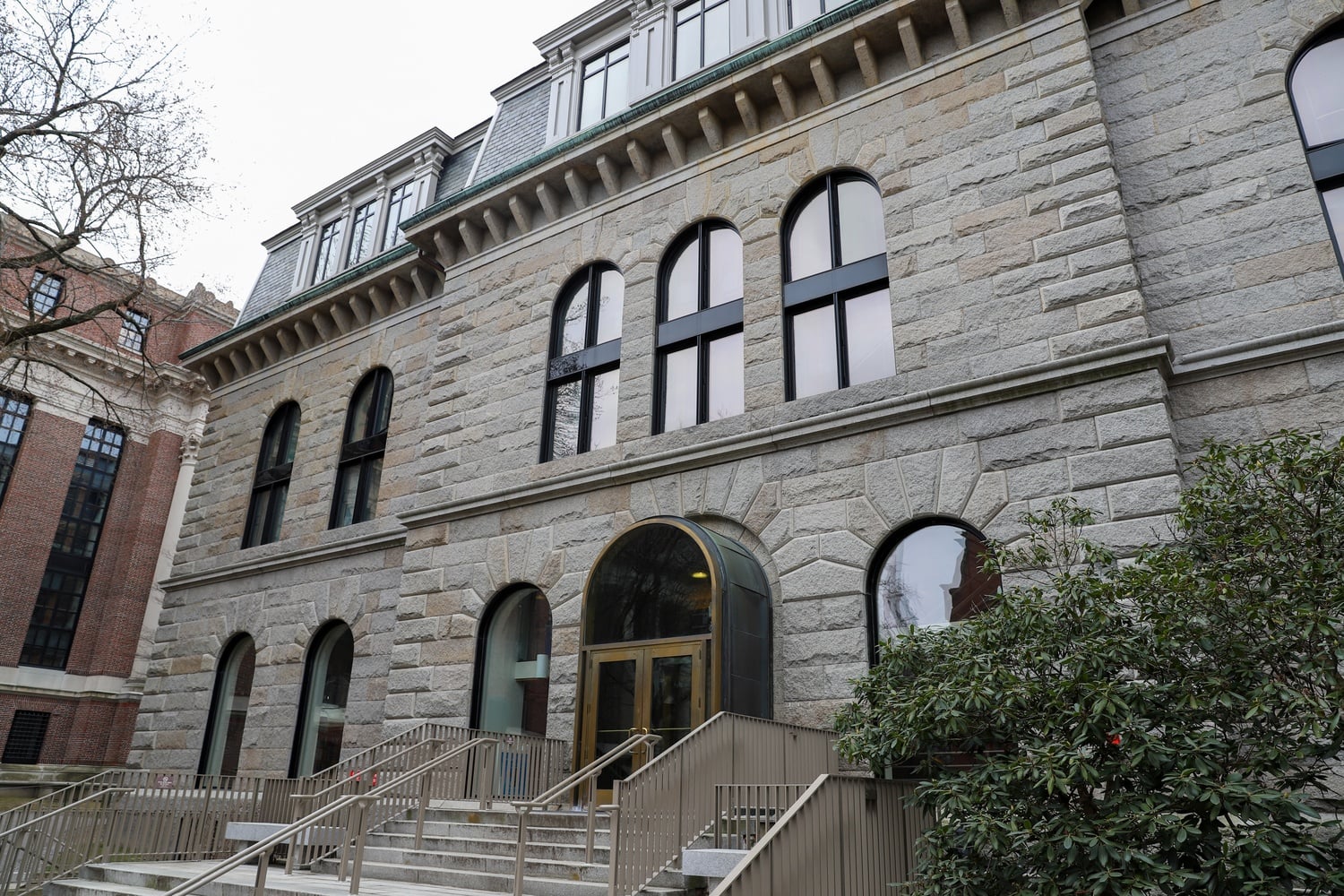
Last spring, Classics Department Chair Naomi A. Weiss learned that her department possessed human skeletal remains — something few faculty members had been aware of. Nearly a year later, the University has yet to determine what should be done with them.
The remains are part of the McDaniel Collection, a group of objects assembled in 1943, primarily by Walton Brooks McDaniel, and donated to Harvard in 1967, according to Weiss. Today, the collection is split between the Classics Department and the Harvard Art Museums. Within the department, however, the bones had long gone largely unnoticed, as most faculty engagement with the collection focused on its ancient coins.
“Over the past 60 years since this donation was made, only a handful of faculty seem to have been aware that this collection included human skeletal remains,” Weiss said. “They’ve just literally been hidden away in the department a lot of this time.”
Weiss believes the bones likely belong to a child, pointing to two baby teeth found alongside a corroded metal ring that may have been part of an earring or chain. But the department has not been able to identify the individual or fully trace the remains’ origins, complicating efforts to determine where they should ultimately be housed.
“Because of the nature of this item, it’s not so simple as just transferring it anywhere,” Weiss said. “We have to think through where they should be housed, stored appropriately — and finding that place is really hard.”
The remains were originally discovered in the 1920s near Carthage, in present-day Tunisia, and later donated to Harvard by Horton O’Neil. A note attached to the box describes them as a “sample of contents from a cinerary urn in the Tanit precinct from Carthage.”
Excavations in the region have uncovered tens of thousands of urns containing children’s remains, fueling longstanding debate over whether they are evidence of ritual sacrifice. Weiss said the bones in Harvard’s collection likely date from sometime between the eighth and first centuries BCE.
Get The Crimson in your inbox.
Weiss said she has been consulting colleagues within both the Classics Department and the Harvard Art Museums. A spokesperson for the Art Museums confirmed that the two parties have been in communication about how to proceed.
This case, Weiss said, has prompted discussion over the value of researching an object’s ownership history.
“The other thing that this has prompted discussion of is how we might use this case to raise awareness among students, but also faculty about the history of archaeology in relation to our department,” she said. “Because this clearly raises various questions to do with provenance research and changing approaches to human remains themselves.”
For now, Weiss said, the department’s focus remains on ensuring the remains are treated with care.
“The ethical stewardship of these human skeletal remains is a big priority for us as a department. We’re taking it very seriously,” she said.
—Staff writer Shalini N. Ramchune can be reached at [email protected] and on Signal at shaliniramchune.03. Follow her on X @ShaliniRamchune.
Want to keep up with breaking news? Subscribe to our email newsletter
Have a tip for The Crimson? Share it confidentially