The Lessons I Learned as Student Body President
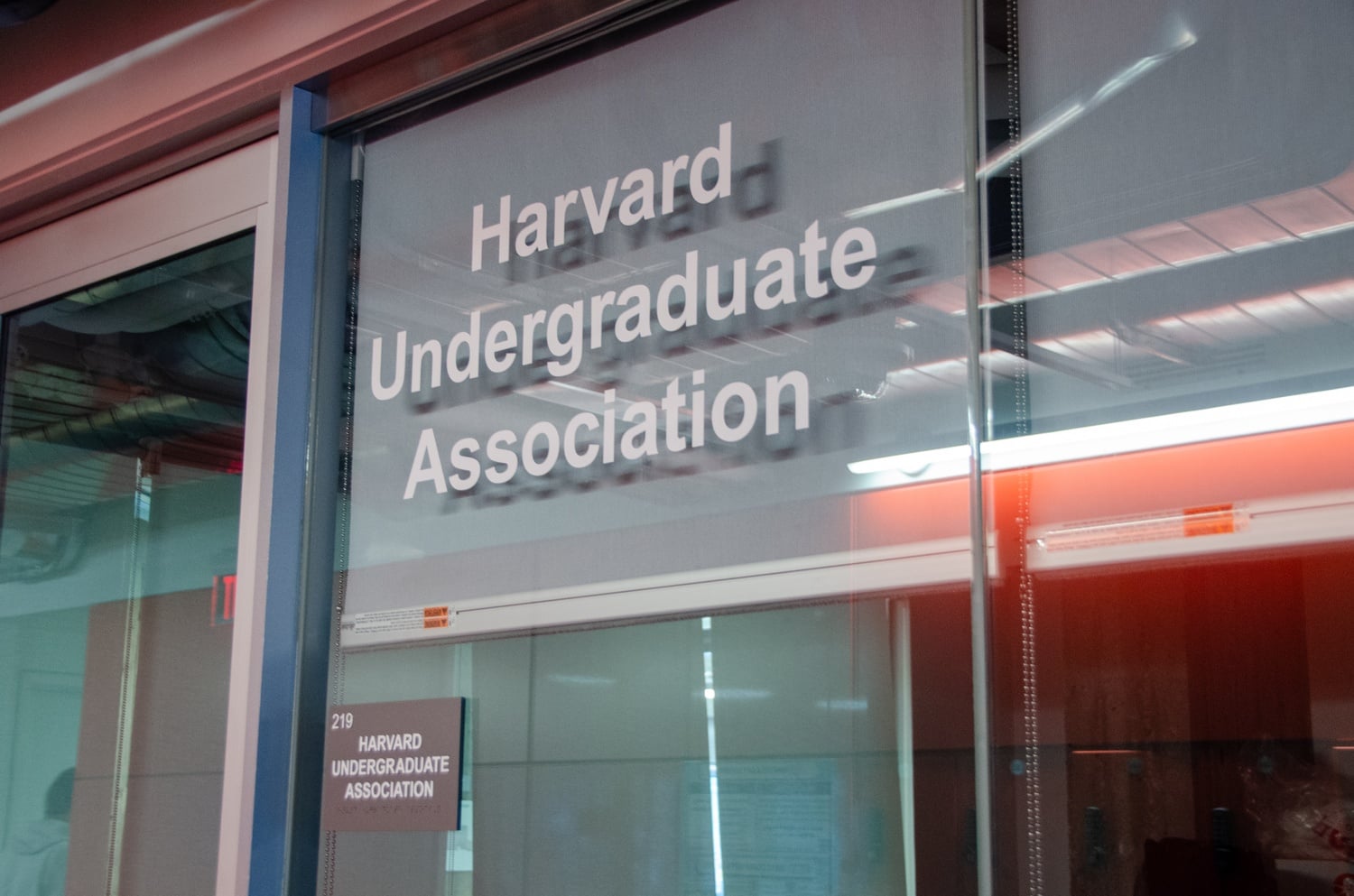
Harvard’s student government elections are approaching — and the stakes have never been higher.
I was the Undergraduate Council vice president from 2007 to 2008 and then president from 2008 to 2009. I’ve never been more convinced than I am now that student government can have a real, lasting impact. To properly seize the moment, student leaders should focus their campaigns and efforts on a small set of specific, impactful, and achievable goals.
Ryan A. Petersen ’08 and I ran on moving January exams to December. When I ran for president, I ran on Administrative Board reform. We focused on concrete changes with a real and permanent impact on student life. We avoided unrealistic promises and vague slogans. We spoke with decision makers and knew change could happen if we were pragmatic and created the conditions for success.
In my day, there were no tangible goals connecting the triad of student life, University governance, and federal policies. Today, Harvard is navigating student visa ambiguity, solicitations for financial settlements, and regulatory conditions that could reshape admissions, discipline, and diversity. Before, the long wait between effort and impact was a significant challenge for student government. Today, that gap can close.
The Ad Board changes were my biggest project. It felt like the largest quality-of-student-life issue we could impact. Our committee’s work allowed students facing the Ad Board to choose their own adviser and introduce evidence on their own behalf. We created lower-stakes, alternative forms of discipline; before that, as many as 70 students per year had to abruptly leave campus for — in some cases, shockingly minor — infractions and practically plead to be readmitted. This heartbreaking process happened to multiple close friends. The work became real.
The reforms were presented to the faculty the week I graduated. I stayed on campus that next summer to do an Independent Study under two deans to rewrite the Ad Board handbook. But no one from my graduating class ever experienced the fruits of our labor — from the reformed Ad Board to a real holiday break. For years, it felt like a hollow and lonely victory. I had worked three summers, burned myself out, and then it just ended. I barely went to my five year reunion, skipped my tenth, and didn’t activate my alumni account.
But my 15 year reunion last year was deeply personally transformative. I felt joy, fun I had not had since before Covid-19, and hope I’d lost. I heard from students about their real holiday break — and lack of Ad Board terror. I felt uncomplicated gratitude and love for my education, friends, and the lifelong Harvard community we are so lucky to be part of. I saw how Harvard has a unique ability to be a beacon, platform, and leader — now more than ever.
Harvard has over 400,000 successful and powerful alumni and a $56.9 billion endowment. The University is 140 years older than America. Those resources and soft power are available to the Harvard Undergraduate Association presidents, especially right now. If you bring earned media and geopolitical support, Harvard will amplify and empower you. If you help fundraise, you can influence where money goes. If you pair grassroots action with top-down partnerships, you can solve collective action problems.
If I were running today, I would run on a platform and goal that meets the moment. I would act like the world depends on my work, while laughing at myself for thinking it does. I would invite the University president, celebrities, politicians, and the Native American tribes whose land Harvard is on to participate in and speak to packed meetings in Memorial Hall or Science Center Hall B. Most people would love to be part of values-based work on real issues. If you connect the shared goals of the Harvard Corporation, the Board of Overseers, students, deans, and faculty, you could have campus-wide, national, global, and historical impact.
By the end of my 15 year reunion, the oath I swore to Harvard (twice!) felt less like a weighty obligation and more like a meaningful quest with friends and family. I am now in touch with the Harvard student body presidents and vice presidents from 1967 to present. We look forward to welcoming whoever wins this election — likely the most important to ever sit in that chair — into that lineage. The Presidents’ Club is here. We have friends everywhere.
Run well. Go all in. Plant trees under whose shade you will never rest. The work is worth it.
Matthew L. Sundquist ’09 was the Vice President of the Undergraduate Council from 2007 to 2008 and President from 2008 to 2009. He was the student representative on the Administrative Board Review Committee and the President’s Committee on Improved University Policing.
Want to keep up with breaking news? Subscribe to our email newsletter
Have a tip for The Crimson? Share it confidentially