The Dupatta: So Chic, So Elegant, and So Not a ‘Scandinavian Scarf’
This past month, TikTok creator Monica Ravi-Conway posted a video captioned, “My top 5 horror movies: 1. orange foundations, 2. the orange man in office, 3. people who make everything a competition, 4. my parents’ divorce, 5. scandinavian scarf drama.”
The great scarf debate on TikTok might seem silly at first; however, this desi creator — like many others — calls attention to the questions regarding where cultural appropriation ends and what cultural appreciation really is.
It all started in the summer of 2024, when an employee at Bipty labeled a shawl-like scarf as European, going on to create a new wave of popularity and debate on TikTok regarding the “Scandinavian look.” However, this look is nothing new nor Scandinavian. Behind the rebranded shawl is the dupatta, a staple of Desi culture across Bangladesh, India, Pakistan, and surrounding countries, and this eventually led to Bipty’s founder creating an apology video. Reclaiming the dupatta as a “Scandinavian scarf” mocks its history and diminishes South Asian culture and fashion. This raises questions about ethical standards and the impact social media can have on people’s understanding of cultural fashion.
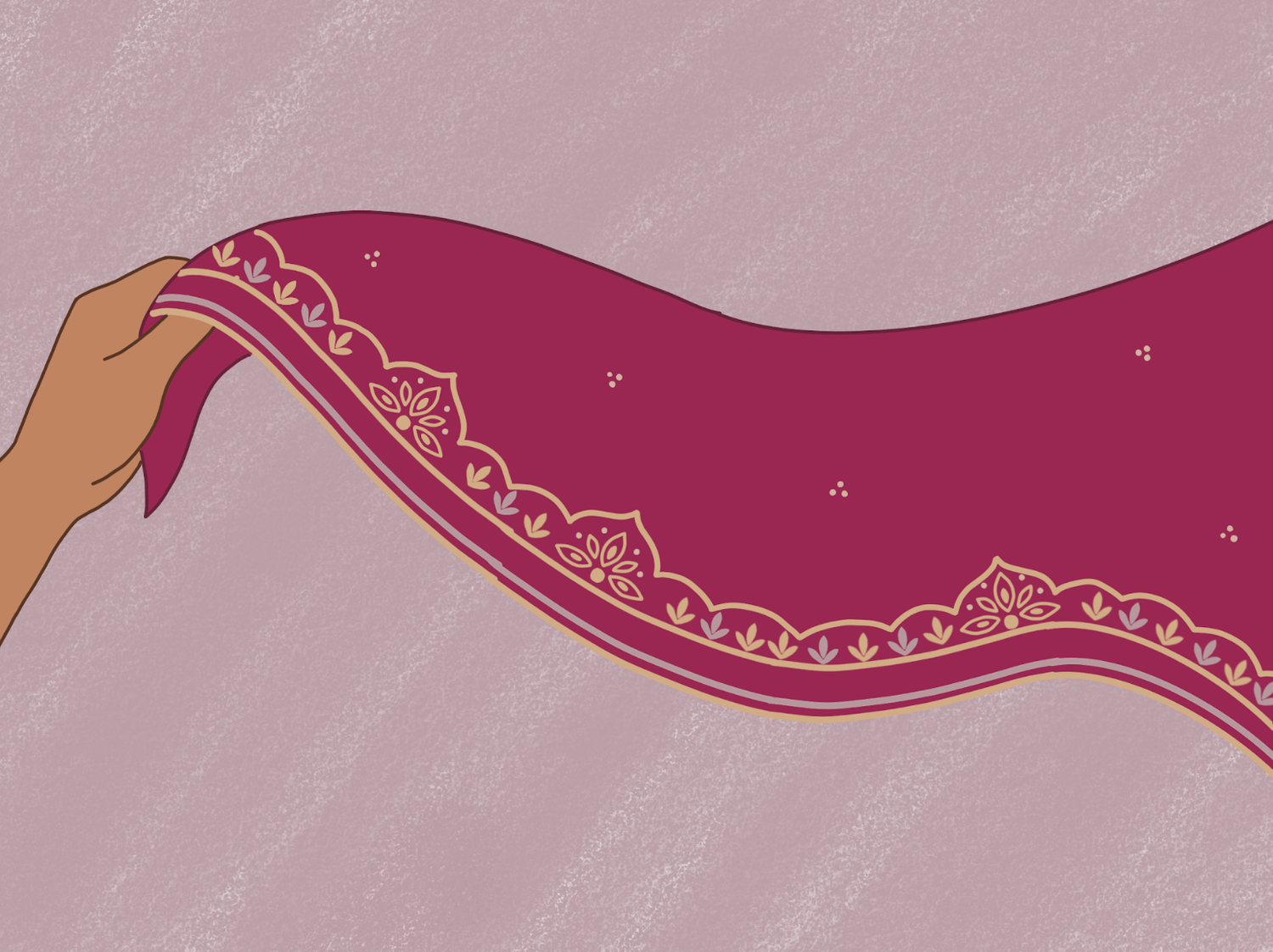
The dupatta can be recognized as a rectangular piece of cloth that comes in a variety of fabrics. The first sighting of the dupatta can be traced back to the Indus Valley Civilization which existed between 3300 and 1300 BCE. Moreover, throughout history, the dupatta took on various names, such as “uttariya,” and was used to show modesty and embrace culture. During the Mughal influence, occurring from the 16th to 18th centuries, the dupatta became offered in more luxurious fabric designs, including embroidery, taking inspiration from Persian styles.
The dupatta does not just serve as a cultural piece but also as a symbol of resistance and freedom. Specifically, Sarojini Naidu — an Indian political activist — advocated for khadi. This hand-spun and hand-woven fabric — commonly used in dupattas — was made by Desi people and served as a form of protest from using British goods. The khadi movement was sparked by Mahatma Gandhi. This act was also a part of a larger movement known as the Swadeshi movement of 1905, which focused on self-sufficiency and boycotting British goods in order to advocate for independence.
Moreover, the dupatta is still popular among people in South Asian countries, with brides choosing to wear it with their traditional dresses, lehengas, and sarees to embrace culture, purity, and tradition. The dupatta is also used in prayer, meditation, and other religious settings across Hindu, Buddhist, and ISKCON religions. Nowadays, the dupatta still serves the same message, and individuals wear it for religious reasons, cultural events, and around their elders to show respect and embrace Desi identity.
Just as fast as trends die, history can be easily replaced. Many Desi creators have pointed out that brands such as Oh Polly have been selling dresses that look like lehengas — traditional desi dresses — and shawls that closely resemble the dupatta. Similarly, TikTok creators have been labeling Peppermayo dresses that come with scarfs resembling the dupatta as Scandinavian. The lack of credit to Desi culture is nothing new. Other important cultural staples in South Asian culture include henna, which has been rebranded by social media as “festival tattoos.” The rebranding of these staples does not just erase their history, but it also hurts South Asian businesses, with Western consumers opting to buy from Western brands that have duplicated their styles.
Furthermore, because of this white-washing, many individuals will never learn what the dupatta is. Shawls that look closely like the dupatta have filled the market. Not every individual will go on to research further about the origins of a scarf, leading to issues of cultural appropriation. Big brands and trends have the power to shape individuals’ understanding of fashion and ultimately keep South Asian cultural fashion present yet uncredited.
There is nothing wrong with people wanting to wear clothing from Desi culture; however, cultural appreciation should be in the discussion and that credit is necessary. Crediting the roots of fashion garments allows for groups to be represented and for history not to be forgotten. When trends rebrand cultural clothing items, it signifies that the original version was not ‘aesthetic enough’ and needed to fit Western standards in order to be deemed ‘chic.’ Simultaneously, consumers go on to mock other Asian countries’ fashion as lower class or below the ideal standards.
There are many advantages of fashion being shared on social media, as people get to share a space to learn, be curious, and inspire. However, creators, brands, and consumers should be mindful of other cultures and uphold responsibility to not misrepresent. Big brands and trends have the power to reshape and rename cultural pieces that, if wielded the wrong way, can ultimately hurt local businesses and tamper with groups’ cultural staples that come with significant history.
A horror movie might sound exaggerated, but it is that deep. Cultural representation should not be an afterthought, as fabric goes beyond its materials and is often stitched with freedom, resistance, and identity. There is always a line between cultural appropriation and appreciation, and it must be drawn when it comes to the dupatta and for any other cultural items that are rebranded.
Want to keep up with breaking news? Subscribe to our email newsletter
Have a tip for The Crimson? Share it confidentially