Cambridge Wants More Than Harvard’s Money
For nearly 400 years, Harvard has been largely exempt from paying property taxes — instead making voluntary payments that city officials now say no longer reflect the University’s scale or wealth. As negotiations over a new PILOT agreement stretch into a third year, Cambridge leaders and residents are questioning what Harvard owes the city: not just in dollars, but in housing, public services, and civic partnership.
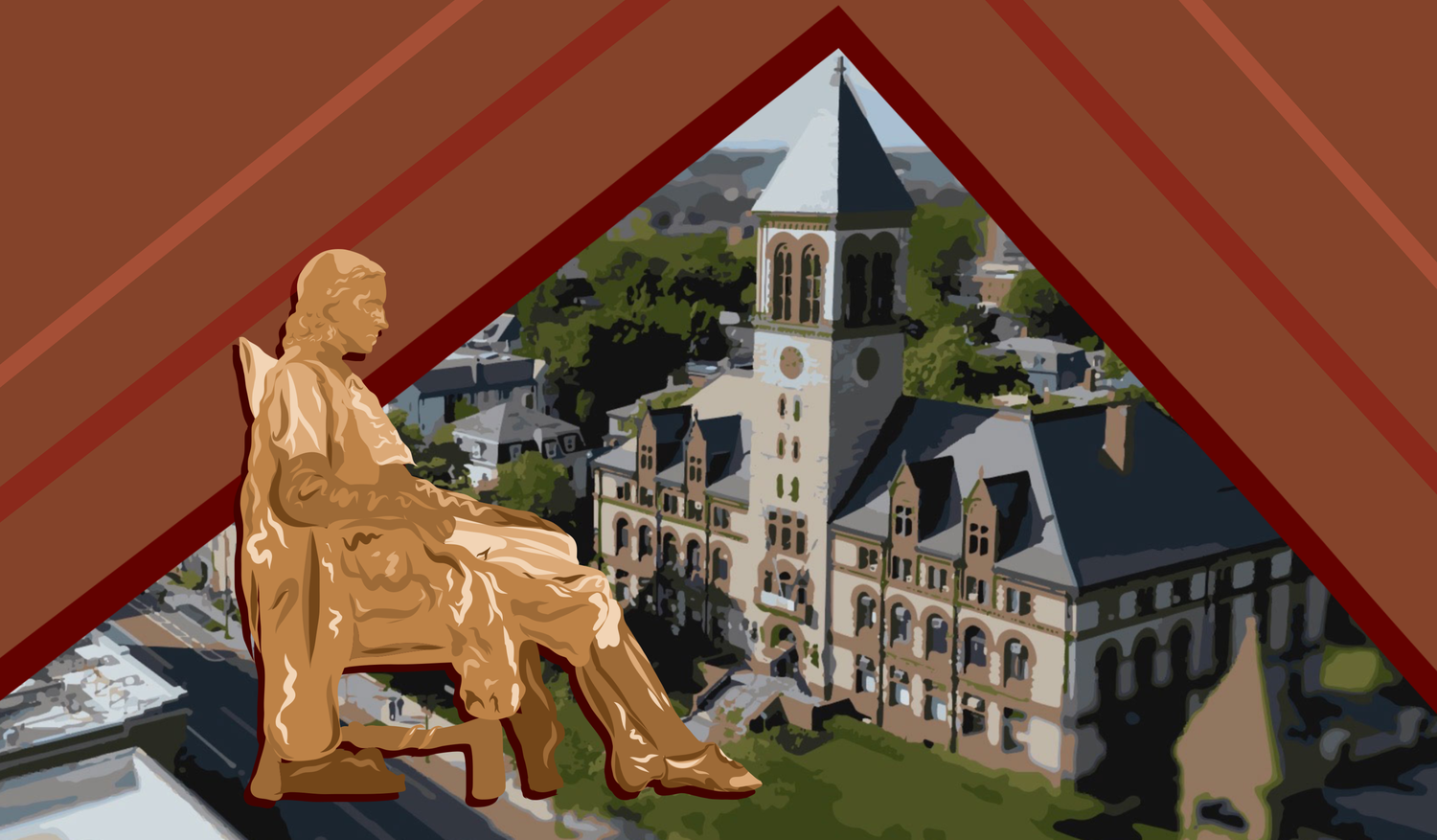
For nearly four centuries, Harvard — Cambridge’s wealthiest neighbor — has been exempt from contributing to the city’s primary revenue stream: property taxes.
The University has entered into voluntary agreements with both Cambridge and Boston for the last century, paying each city a fraction of what it would otherwise owe in taxes.
Harvard’s 190 acres of tax-exempt property in the city would generate hundreds of millions in additional revenue for Cambridge if it were taxable. In Boston — where Harvard owns almost one-third of the land in Allston — the total is more than $1.5 billion. But for the last 14 years, the University has consistently come up short in its contributions to the city.
These agreements, negotiated under the cities’ respective Payment in Lieu of Taxes programs, allow universities to write off a portion of the monetary contribution in community benefits. In Boston, Harvard has long claimed partnerships with K-12 schools, public facilities, and healthcare services to account for up to 50 percent of its PILOT payment.
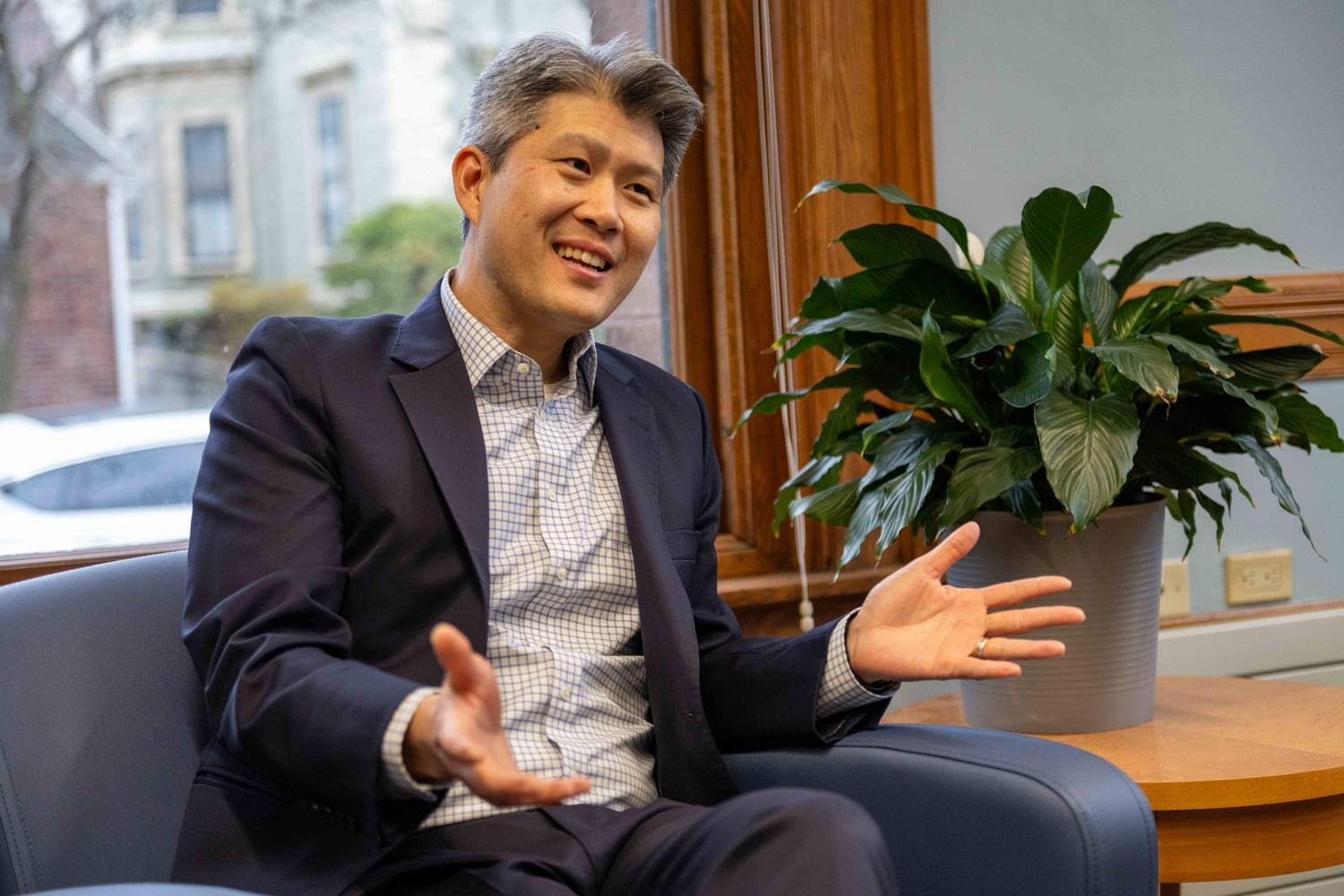
But in Cambridge, the University’s offerings are weighed differently, according to City Manager Yi-An Huang ’05. In contrast to Boston, Cambridge lacks a city-wide formula that would require Harvard to provide public benefits under PILOT.
“Seeing the community benefits in a transactional way, it isn’t necessarily that helpful,” he said in a May interview with The Crimson.
Harvard signed its longest-running agreement with Cambridge in 2004, setting an initial 20-year binding period with provisions to extend until 2054.
But as Harvard and Cambridge have both braced for fiscal uncertainty amid threats to federal funding from the White House, negotiating a new PILOT agreement has fallen on shaky ground.
‘Cambridge Isn’t Cambridge Without Harvard’
Get The Crimson in your inbox.
Cambridge was just six years old when Harvard was founded, and for centuries, the city has expanded with the University at its center.
Now, more than 120,000 residents call the city home, and tens of thousands more come to work — flocking to the menagerie of biotech firms, laboratories, and universities quartered within its six square miles.
And Harvard sits as the city’s single largest employer and one of its largest landowners. City officials have often remarked that the city cannot exist without Harvard, and vice versa.
“Cambridge isn’t Cambridge without Harvard, and Harvard isn’t Harvard without Cambridge. We are incredibly intertwined in our history,” City Manager Yi-An Huang ’05 said at a Council committee meeting in late April.
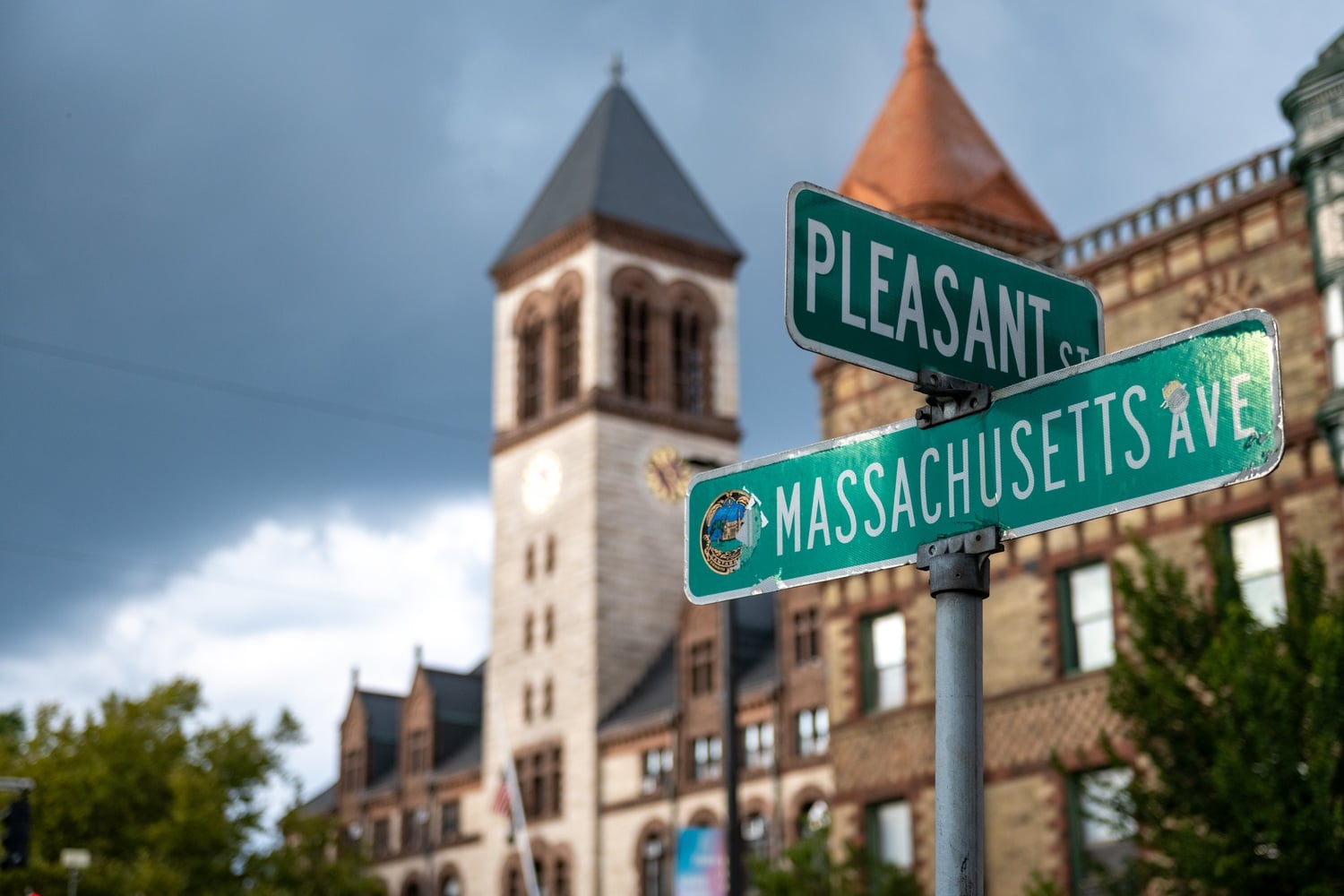
The city opted to end its 2004 contract with the University after the 20-year binding period, hoping to negotiate for a higher payment sum — citing the doubling of Harvard’s endowment since the deal was first finalized.
Nearly three years later, the negotiations are still ongoing. Cambridge set an end-of-year deadline in 2024 to wrap up contract details, which it failed to meet. The agreement formally expired last June — but the University agreed to an additional one-time, $6 million payment for fiscal year 2026.
Recent negotiations have been interrupted by federal funding uncertainty — on both sides of the table — according to Huang.
“It was just a really turmoiled year, and so we were having these conversations, and that was the exact moment when the federal administration started coming after the university, pulling federal grants — and the endowment tax passed — and all of that became a backdrop for incredible uncertainty,” Huang said in an interview.
Since the University’s PILOT payments are voluntary, a long-term agreement adds a safety net to ensure that Harvard pays a consistent, growing sum to the city year by year. As negotiations carry on for their third year, the University will continue to make annual contributions — regardless of the long-term agreement’s status.
As the city nears its deadline for submitting the FY27 budget, Huang said he is hopeful that an agreement will be reached as the city pushes for more at the negotiation table.
“There’s obviously a desire from the city to see a higher contribution and for the University to do more in terms of financial commitments that are going to really benefit people in the city, in recognition of the scale of the University and how much it’s grown in the last 20 years,” Huang said.
PILOT payments have become an increasingly popular form of commitment from colleges, after Harvard was the first university in the country to make that form of contribution to its home city in 1929. Now, all eight Ivy League universities make contributions to the cities that house them. And despite having the largest endowment of the Ivies, Harvard’s annual PILOT contribution is far lower than that of others.
Yale signed a six-year, $230 million deal with New Haven in March — far exceeding the $6 million, one-year agreement Harvard came to with Cambridge in 2025. During the April meeting between University administrators and city officials, city councilors pointed to the gap as a reason why Harvard should pay Cambridge more.
“I hope to see a bit more substantially from Harvard’s PILOT negotiations, all in the spirit, again, of we really are a powerhouse. And it’s interesting to hear that these other Ivy League institutions, to some degree, are paying more to their respective cities,” Councilor Ayah A. Al-Zubi ’23 said during the meeting.
As the city continues to advocate for a long-term PILOT agreement with a higher annual contribution, Huang said that Harvard’s close proximity makes it easy to hold them accountable in making payments — even without a decadeslong contract.
“We know the University is good for this program, and we know where each other lives, so if this takes a little bit longer, then we can figure it out,” Huang said.
‘Part and Parcel’
When discussing Harvard’s relationship to the city, University officials often point to the programming that it provides to the city, framing it as an in-kind payment rather than a monetary contribution.
Associate Director of Government Affairs and Community Relations Kendyl Maher-Trumble referenced the partnership with Cambridge Public Schools as a key component of Harvard’s contributions during an April presentation to the City Council.
“Supporting CPS has long been a priority for Harvard,” she said. “We work with Cambridge Public Schools to ensure that all students have unique opportunities to achieve academic success.”
Harvard’s presence in the district reaches about half of all students from schools across the city, through summer programs, research internship opportunities, curriculum-based initiatives, and cross-course enrollment, according to Maher-Trumble.
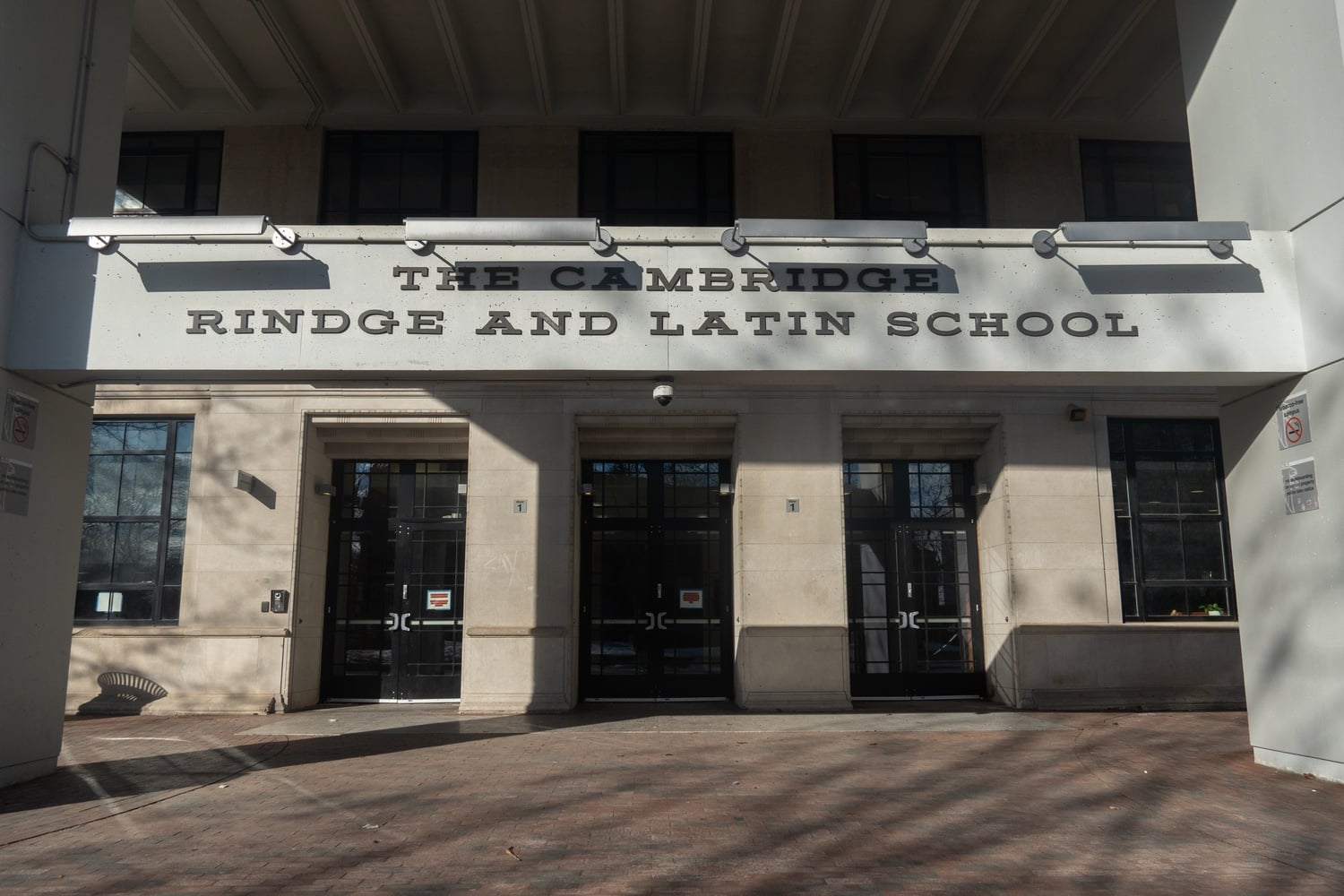
Harvard’s programming often caters toward students at the Cambridge Rindge and Latin School. 120 students from the district have been admitted to the College in the last five years, Maher-Trumble added.
In recent years, the University has also taken steps to open more of its spaces to the public. The University carried out a major renovation and opened the Smith Campus Center to the public in 2018 — granting residents access to a central campus hub.
The Harvard Art Museum was also made free for all visitors in 2023, a decision that vastly expanded the number of yearly attendees. In the three years since the change, the museum has doubled its annual visitors, according to the museum’s spokesperson Daron J. Manoogian.
In Harvard’s yearly self-report to the city about the benefits it offers to residents, the University names roughly 50 programs — from food donations to mentorship opportunities at its graduate schools and partnerships on climate research.
But as Harvard’s influence spans across the city, some residents argue that its benefits still miss the mark.
Natasa Ristivojevic, a CRLS parent, said her daughter will be taking an advanced linear algebra course through Harvard Extension School over the summer, but noted communication about programs other than courses to families from both CPS and Harvard could be improved.
“I don’t know if there are programs through Harvard. I’m not aware — maybe they exist, but I’m not aware of them,” she said.
Some officials have also argued that the impact of Harvard’s programs may be uneven across the district. Cambridge School Committee member Arjun K. Jaikumar said Harvard’s initiatives are highly valuable, but only to a “specific cross section of students.”
“For advanced math students at CRLS, it’s great. For a lot of students at CRLS, it makes absolutely no difference in their lives, but that’s okay,” he said. “Harvard’s doing what it can do.”
Harvard also houses one of Cambridge’s largest service organizations: the Phillips Brooks House Association. PBHA runs more than a dozen programs in Cambridge — many serving youth and elderly residents, including two summer programs for local students.
PBHA Director of Programs Bryan Zuluaga said the organization, though student-led, operates with both support and oversight from the University.
“On one hand, they are one of our partners that we work very closely with. On the other hand, we are beholden to a lot of the decisions that have to be made or the changes that have to happen,” he said. “For better or for worse, we are part and parcel.”
State Representative Marjorie C. Decker, a Harvard Kennedy School alumnus, said the work of students demonstrates the bilateral value of Harvard’s engagement — but that it cannot carry the University’s commitment to the city alone.
“Having students invest their time into community-based organizations, that’s not a substitute for paying taxes,” she said.
An Intellectual Resource
Beyond trainings and programs, many in Cambridge look to Harvard to help address broader challenges facing the city — hoping to utilize the University’s expansive academic resources.
Suzanne P. Blier, a Harvard African and African American Studies professor and president of the Cambridge Citizens Coalition, teaches a course on Harvard’s history in Cambridge. She said the University’s role should center on partnered investment within the city.
“Rather than seeking necessarily extensive funding support in lieu of taxes for the city, if we look for the ways in which we can collaborate together on building something that would benefit the city as a whole,” she said.
Cambridge has long been faced with a growing housing shortage — which the Council has pushed to address by building more, passing reform to bolster construction like the Affordable Housing Overlay and elimination of single-family zoning. And in the city — where Harvard owns roughly 10 percent of land and houses thousands of affiliates — councilors have argued that Harvard could do more to address the housing crisis.
Councilor Timothy R. Flaherty said Harvard could ease the pressure caused by high numbers of students seeking housing in the city by building more on the land the University owns.
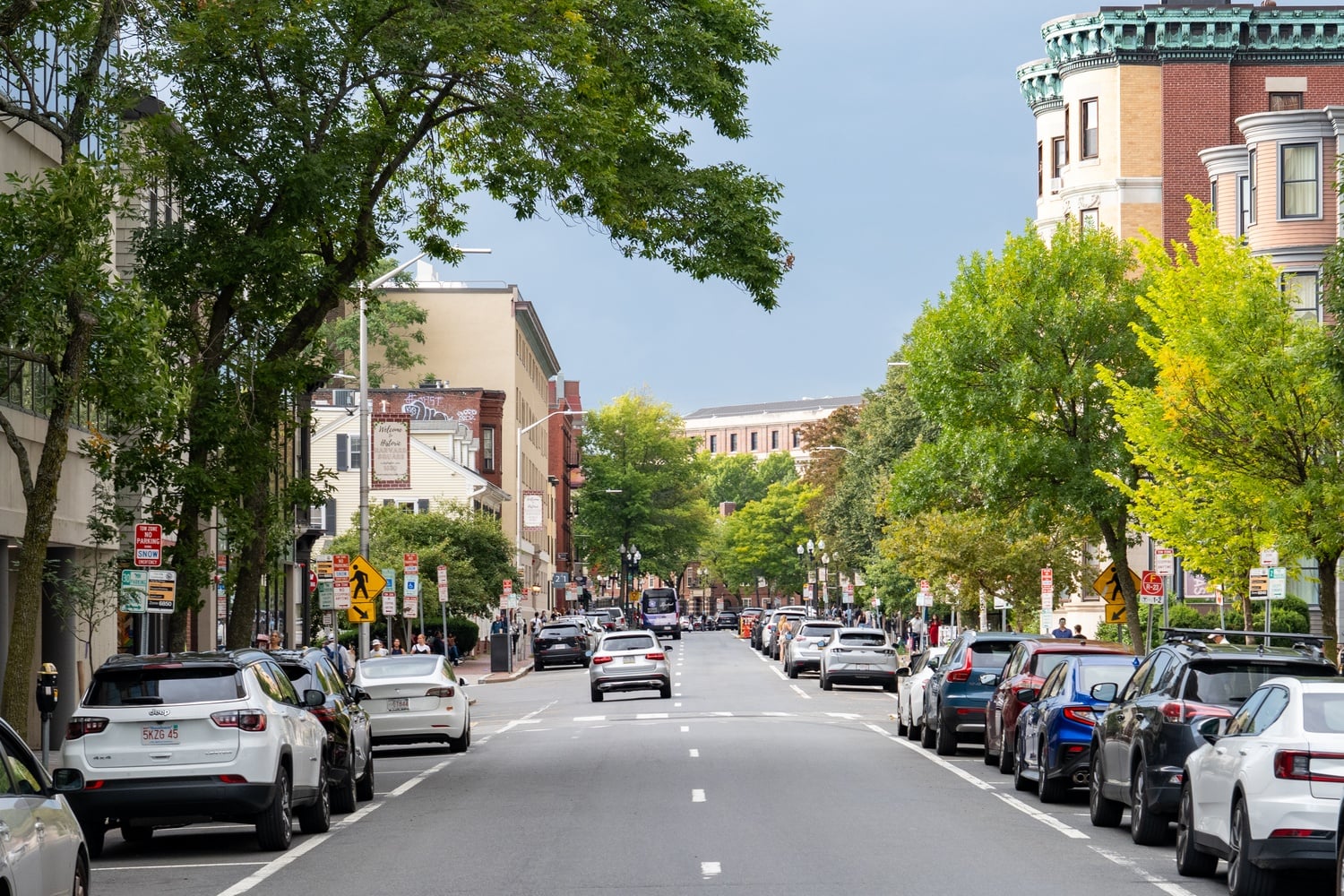
“To the extent that Harvard contributes to the artificial stressors on our already competitive housing market, if they can alleviate those artificial stresses by providing additional housing for its graduate students, I think that that would be beneficial to both entities,” he said.
State legislators have made use of Harvard’s expertise to guide major state policy reform. Former Massachusetts State Sen. Jarrett T. Barrios ’90 said lawmakers regularly turned to University scholars while crafting Massachusetts’ landmark health care reform, which aimed to achieve near-universal coverage and later became a model for the federal Affordable Care Act.
Councilor Patricia M. “Patty” Nolan ‘80 said Harvard’s academic resources could play a similar advisory role at the municipal level, pointing to programs in other cities that partner graduate students with city government on research and policy evaluation.
“I could see a grad student project in statistics to run our city’s annual survey,” she said. “Why are we paying outside consultants when it’s a great program, and it would give real-world experience to grad students?”
Huang said the city already engages academic researchers on an ad hoc basis, but that Cambridge could draw on Harvard’s expertise more systematically.
“There’s more that we could be doing to just acknowledge that there are world-leading researchers who are thinking about housing or transportation or design,” Huang said. “We’ve done that on an ad hoc basis, but we should have a more intentional way of partnering in ways that I think would really benefit the city.”
—Staff writer Shawn A. Boehmer can be reached at [email protected] and on Signal at shawnb.18. Follow him on X @ShawnBoehmer.
—Staff writer Risha Sinha can be reached at [email protected].
Want to keep up with breaking news? Subscribe to our email newsletter
Have a tip for The Crimson? Share it confidentially
See more on: City Politics, Harvard in the City, Cambridge City Council, Metro, Cambridge City Manager