From Cannes: ‘Another Day’ Is Brutally Honest But Ultimately Optimistic
Dir. Jeanne Herry — 4 Stars
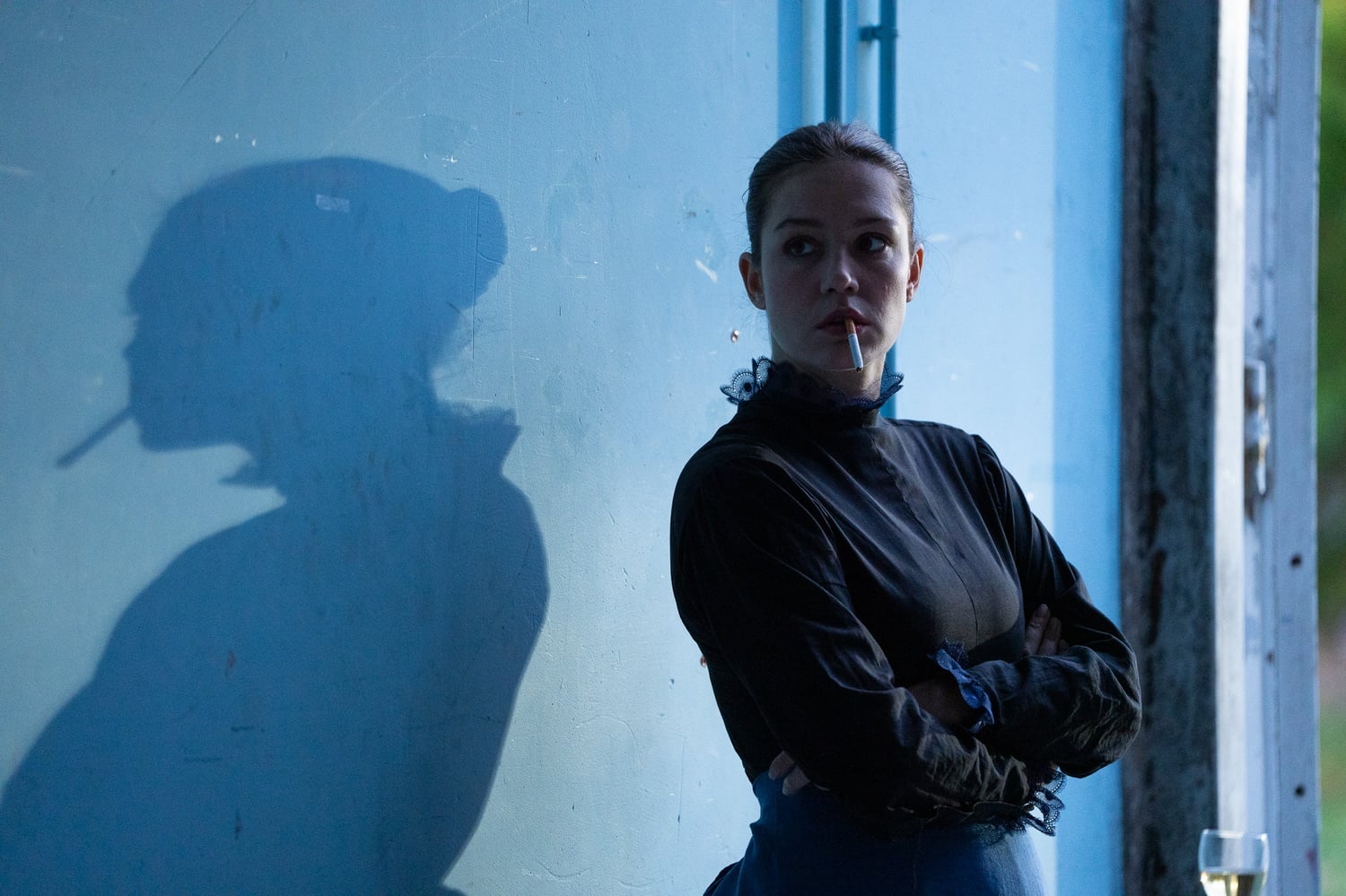
“Another Day” — titled “Garance” in its Cannes release — is a must-watch that spans eight years in the life of struggling actress Garance (Adèle Exarchopoulos), following her love life, career, and growing addiction to alcohol.
The film achieves something difficult in cinema: portraying a character’s inner consciousness. While novels have examined consciousness for centuries — first through first-person narration and later through free indirect discourse — film has often struggled to achieve the same intimacy. Films tend to rely on voiceovers to convey a character’s inner life, but these devices often fail to replicate the depth with which novels decipher consciousness.
“Another Day” accomplishes this through its vignette-style storytelling, dividing into brief moments from Garance’s life. Watching it, given these short moments, one could easily believe only a year has passed, which is precisely what makes this technique so effective. The fragmented structure mirrors Garance’s blurred memory as an alcoholic. She remembers flashes of parties, falling in love, and career shifts — and it is only these fragments that the film shares with its audience. Between vignettes, the screen fades to black, echoing Garance’s own blackouts between stages of her life.
By its end, the audience has witnessed so much of Garance’s life that they begin to feel they truly know her. Director Jeanne Herry reinforces this sense of familiarity through long close-up shots that follow Garance relentlessly, leaving the audience with no distance from her character.
The film’s greatest strength is its characterization of Garance. A story centered on addiction naturally risks creating a frustrating or overwhelmingly bleak protagonist, but “Another Day” succeeds in defining its lead far beyond her alcoholism. It balances her highs alongside her lows, rendering her wholly lovable, flaws and all.
Garance’s characterization is especially strong in the aftermath of falling in love. The romance is beautiful, but the narrative veers away from romanticization, remaining attentive to the fear and uncertainty that comes with such devotion. As Garance falls in love, she becomes increasingly consumed by anxiety over the relationship and the possibility of losing the one truly meaningful thing in her life. This fear transforms love from a source of comfort into something precarious, exposing how deeply her sense of self has become entangled with the person she loves.
Even while struggling, Garance remains playful, treating those around her with kindness and grace. Much of the film’s humor and charm comes directly from her personality. She rarely indulges in self-pity and accepts her weaknesses with self-awareness, never making them anyone else’s burden. This layered approach ensures the audience never stops rooting for her, even as she repeatedly returns to alcohol.
Every performance in the cast lands, though the standout is undoubtedly Exarchopoulos, who moves seamlessly between Garance’s sober and intoxicated states with complete believability.
Furthermore, the score, composed by Pascal Sangla, is remarkable, driven by a thrilling electronic beat. It opens each vignette almost like the introductory music to a chapter in an audiobook. At times, however, the score feels more suited to a crime drama and slightly out of place within the film itself.
Even with all its strengths, “Another Day” could have benefited from some tightening. Several scenes overstay their welcome, and while part of its effect comes from the sheer accumulation of time spent with Garance, it could easily lose 10 minutes without sacrificing much plot.
It’s no surprise that “Another Day” received an impressive 12-minute standing ovation at its premiere. The film acknowledges life’s faults — with Garance’s doctor declaring outright, “Life sucks” — and still emerges optimistic, capturing the beauty of friendship and love, the two forces stronger than addiction and turmoil.
—Staff writer Anat Goldstein can be reached at [email protected].
Want to keep up with breaking news? Subscribe to our email newsletter
Have a tip for The Crimson? Share it confidentially