From Cannes: ‘The Black Ball’ Is a Bold and Explosive Tale of Love and War
Dir. Javier Calvo & Javier Ambrossi — 5 Stars
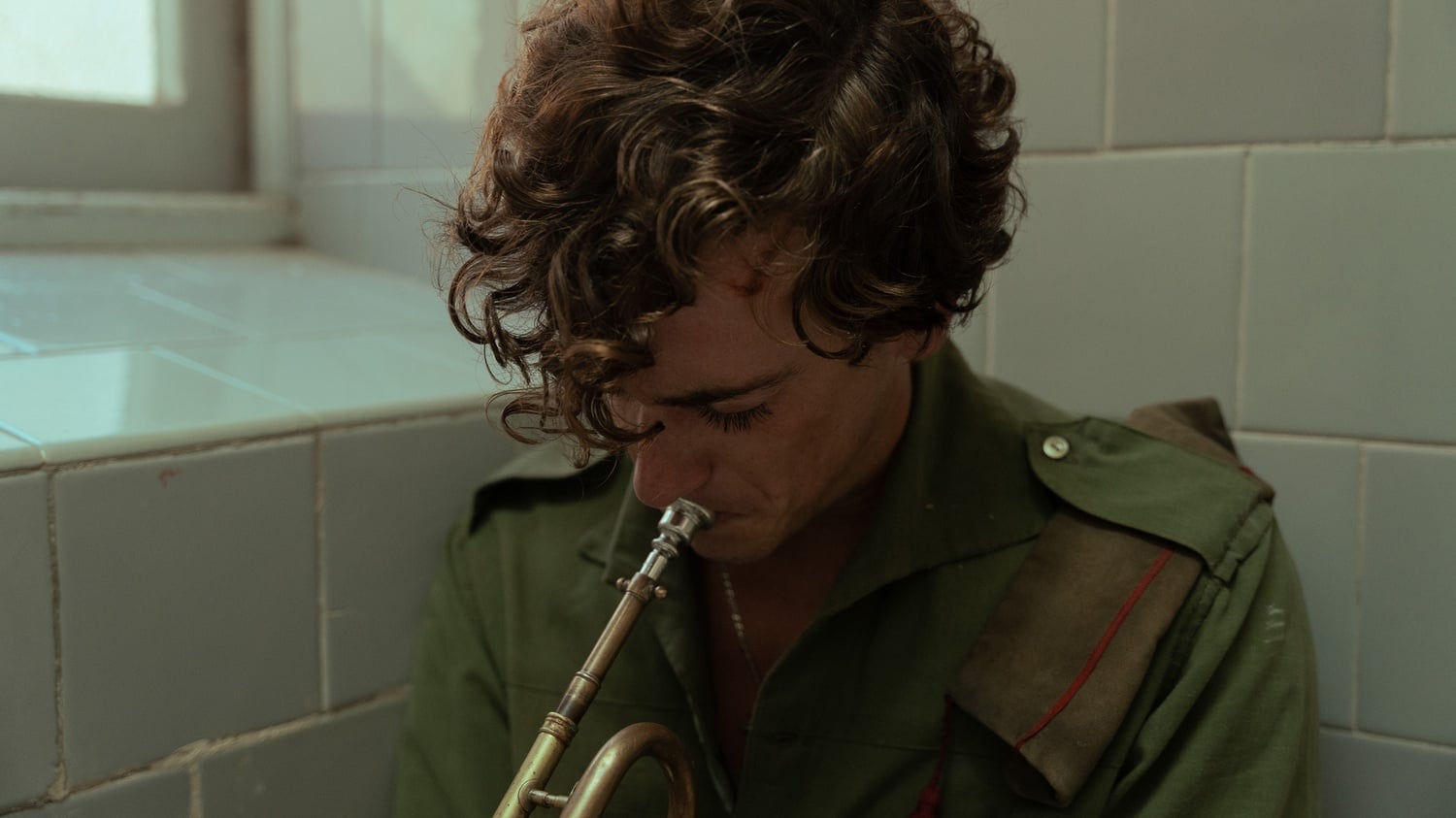
Cannes Best Director winners Javier Calvo and Javier Ambrossi’s “The Black Ball” (“La Bola Negra”) is a staggering artistic accomplishment.
The original story follows three generations of gay men — spanning 1932, 1937, and 2017 — connected by literature, love, and war. Defying genre, the film emerges as one of the festival’s most emotionally overwhelming works. Explosive and bold, every part of “The Black Ball” feels like intricate poetry, from the cinematography, brilliant score, almost lyrical dialogue, and tender performances.
“The Black Ball” opens with a bang. The first scene enraptures audiences, and the film maintains its grip for the next two and a half hours and never lets go. Just as audiences feel the film might come to an end, clever writing extends the plot through new turns that forge a masterful connection between the three storylines and generations. Working with multiple timelines can complicate pacing, but “The Black Ball” perfectly balances every era — a masterclass in movie editing by Alberto Gutiérrez and writing by Ambrossi, Calvo, and Alberto Conejero.
“The Black Ball” defies the status quo for what war films, period pieces, and films exploring gay relationships can be. It is explosive, using vibrant color throughout Ana López Cobos’ costume design and Roger Bellés’ production design. In the 1932 era, reds and whites function as poetic symbols for love, war, and hatred. The costuming effectively distinguishes each period while keeping the film visually engaging.
The sets are also gorgeous without detracting from the emotional weight of sadder scenes or the gruesomeness of war. The communication between costume and production design proves that beauty and aesthetic still have a place in epic filmmaking, even in scenes of heartbreak. Breaking away from the blues and grays that dominated many Cannes dramas this year, “The Black Ball” is a colorful masterpiece.
The film’s direction and cinematography are equally beautiful. The synchronism between Ambrossi and Calvo’s direction and Gris Jordana’s cinematography creates stunning moments that heighten the film’s emotional gravitas. Even the way body language and nonverbal communication interacts with Jordana’s use of light makes the film’s quietest and most tender moments the most impactful.
“The Black Ball,” in all its beauty, finds a way to present three painfully human storylines. Even the smallest details at the beginning pay off in the end, and watching the film feels like dissecting a complex poem without turning into homework for the audience.
The dialogue — especially within the two older generations — borders on poetic. “The Black Ball” is clear about its inspirations, and particularly for lovers of art and poetry; the way the film communicates with poetry, theater, history, and modern day life is brilliant. As characters like Carlos (Milo Quifes) interact, both with their friends and with mysterious characters, the audience never feels lost to the point of disengaging — a testament to the performances and direction.
“The Black Ball” is also anchored by its multi-dimensional score. Setting the tone with explosive sound in the first scene, diegetic and non-diegetic music not only establish the setting and reflect the emotions of characters deeply connected to music and art, but completely elevate the viewing experience. Whether playing during dancing scenes in bars or during the film’s most heartbreaking moments, music breathes life into “The Black Ball” and reinforces the film as a celebration of the power of art.
Beyond these technical strengths, “The Black Ball” is carried by its leads’ brilliant performances. Carlos is tortured by his desire for acceptance from others and his reluctance to even accept himself. This torment is clear on Quifes’ face; pain seeps out of him, connecting him immediately to audiences.
Singer-songwriter Guitarricadelafuente is additionally heartbreaking as Sebastián. With eyes that hold innocence, hope, fear, love, and grief, Guitarricadelafuente is impossible to look away from. His relationship with Rafael (Miguel Bernardeau), an enemy officer, beautifully centered by the film. As they learn more about one another, the tenderness that flows from their interactions is a testament to the care of the actors and directors.
Finally, Carlos González leads the 2017 period of the film as Alberto, a troubled writer. González masters quiet suffering and suppressed emotion, carrying trauma and resentment, but still managing to emotionally center those around him. His incredible performance makes Alberto’s evolution throughout the film that much more gratifying to watch.
“The Black Ball” is film as poetry. Emphasizing love, self-acceptance, and the ways people are more connected than they realize, “The Black Ball” provides a beautiful, vibrant commentary on the relationship between art and life.
—Staff writer Dzifa A. Ackuayi can be reached at [email protected].
Want to keep up with breaking news? Subscribe to our email newsletter
Have a tip for The Crimson? Share it confidentially