Stop Backtracking on Housing, Cambridge
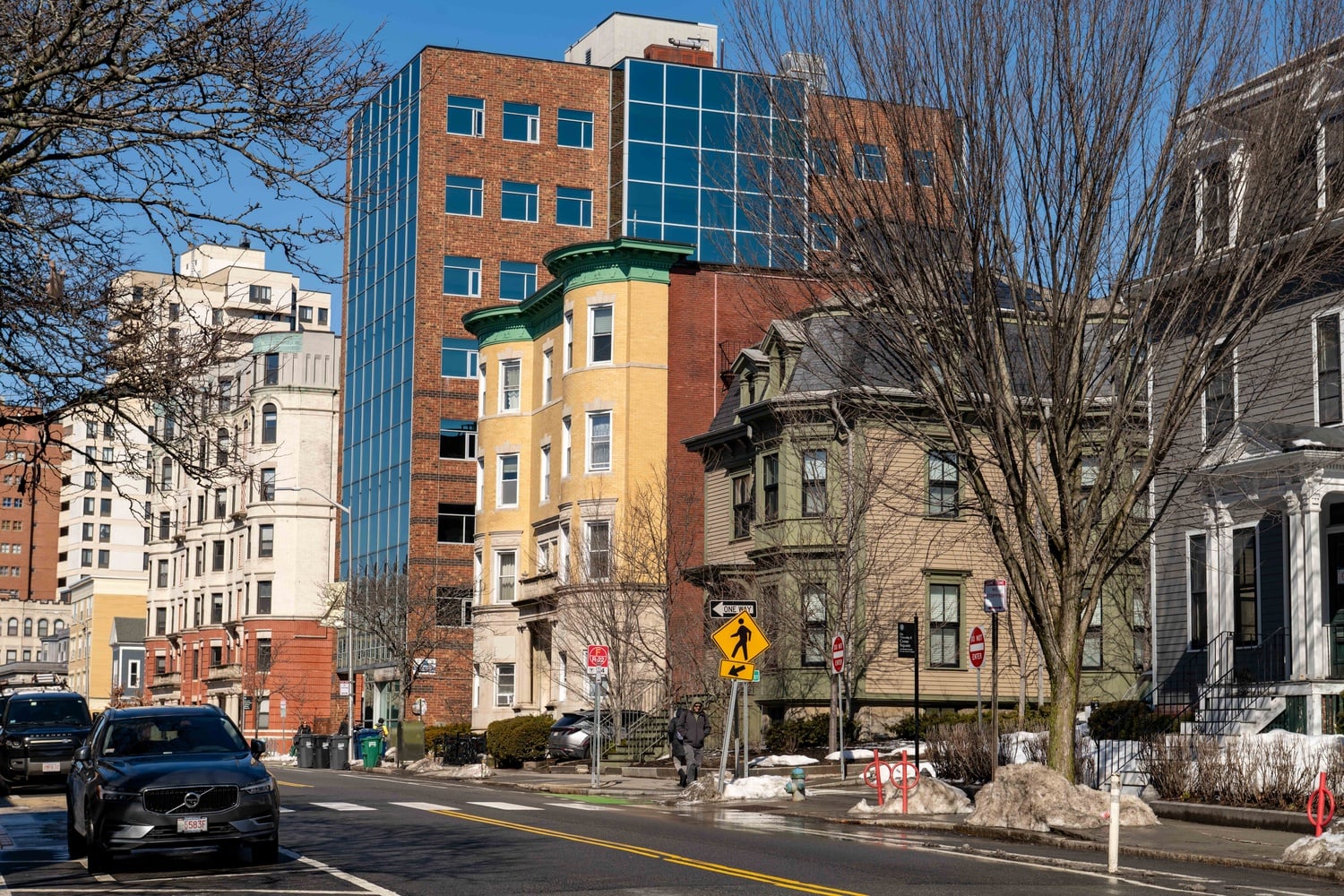
The city of Cambridge made headlines when it ended single-family zoning city-wide in 2025 — and rightfully so. The landmark decision promised progress towards mitigating the housing crisis amid extensive debate and soaring rents.
Yet recently, city councilors and residents have introduced a plethora of proposed amendments, each backtracking from the ordinance’s original goal of promoting housing affordability. The multifamily housing ordinance has the potential to change the affordability landscape, reinforcing the city’s strong pull on talented young professionals and families — but only if Cambridge stays the course.
The ordinance enables meaningful increases in density by allowing multifamily residences city-wide — an immense development for a city that used to restrict roughly a third of its residential land to single- or double- family homes. The proposal permitted multifamily residences as-of-right in all zoning districts, removed many dimensional and parking requirements, and eased height restrictions. In doing so, the city took a bold, evidence-supported approach towards addressing the housing crisis.
But over the past month, a laundry list of amendments have attempted to walk back the city’s progress towards affordable housing. Two sets of amendments — proposed by City Councilors Tim R. Flaherty and Catherine “Cathie” Zusy, and by resident Doug Brown, respectively — create various forms of additional setback requirements, height restrictions, and parking requirements.
Brown’s in particular, filed as a citizen’s petition signed by 13 residents, would effectively freeze the progress of several development projects. State law mandates that, for developments not yet permitted or begun, amendments to zoning ordinances take effect from their first day advertised for a public hearing. Thus, developers can’t risk building anything that violates the proposed petition — in this case, blocking pending projects that aren’t yet fully permitted and fail to meet the amendments’ specifications.
Each of these proposals would critically set back Cambridge’s progress towards affordable housing. Research strongly suggests that land-use controls and stricter zoning writ large are responsible for high housing prices. Minimum parking requirements have been shown to constrain developers and reduce density, while parking units themselves tend to pass on costs to renters. Height restrictions similarly encourage lower density and thus further sprawl, generating significant consumer welfare costs.
More broadly, these amendments create unnecessary red tape that, by further constraining developers, increases costs and restricts the speed of development in a region notorious for its competitive housing market.
Regardless of the intentions of the city councilors and residents who support these amendments, significant evidence indicates that these changes will hinder Cambridge’s affordability goal.
Our city can’t afford the delay. The Massachusetts Executive Office of Housing and Livable Communities estimates the state will need to build 115,600 homes over the next ten years to address the existing state-wide housing shortage. At the same time, the Boston metro area’s Carpenter Index (the percentage of entry-level homes in a metro area that a household headed by a blue-collar worker can afford) has declined to 12 percent.
Navigating both of these challenges — a physical lack of housing for families to access, and a decline in affordability of existing housing — won’t be quick or easy. Still, staying the course with the current zoning changes could transform Cambridge’s housing fabric altogether.
The construction of more multifamily units across the city could, over time, alleviate pressure on the housing market and reduce steep rental prices. Further easing housing regulations could spur middle-price-range home growth, allowing older and smaller homes to gradually filter down to lower-income households.
To attract and retain young professionals and families, Cambridge must make significant progress towards developing a housing market friendly to starter homes and rentals.
The city is already aligned in important ways: it stands as a hub of higher education, innovation, and culture. It also boasts a reputation for walkability and strong transit connectivity. However, its government must continue working to make living here financially feasible, so more workers can afford to keep their contributions in Cambridge.
The one-year results of a legislative change in a geographically small city cannot be used as indicators for a market principle’s validity in our local context. Lawmakers must carefully observe patterns of development in coming years to actually understand our zoning code’s impact on density and affordability, rather than make hasty changes in a misguided effort towards market correction.
As a student at the College, living in Cambridge has been nothing short of transformative. This city has provided me with immense opportunities and a unique perspective on the world I’d likely never encounter elsewhere. I hear the same from many of my peers — what a shame that these recent proposals would hinder developments that might allow us to stay longer term in the city we love.
The road towards housing affordability is long, and progress may be slow, but Cambridge owes it to the young people who have made this city home. An unceasing effort towards development will get us there.
Ira Sharma ’28, an Associate Editorial Editor, is an Economics Concentrator in Mather House.
Want to keep up with breaking news? Subscribe to our email newsletter
Have a tip for The Crimson? Share it confidentially