‘Whistler’ Review: A Love Letter to Gen-X
5 Stars
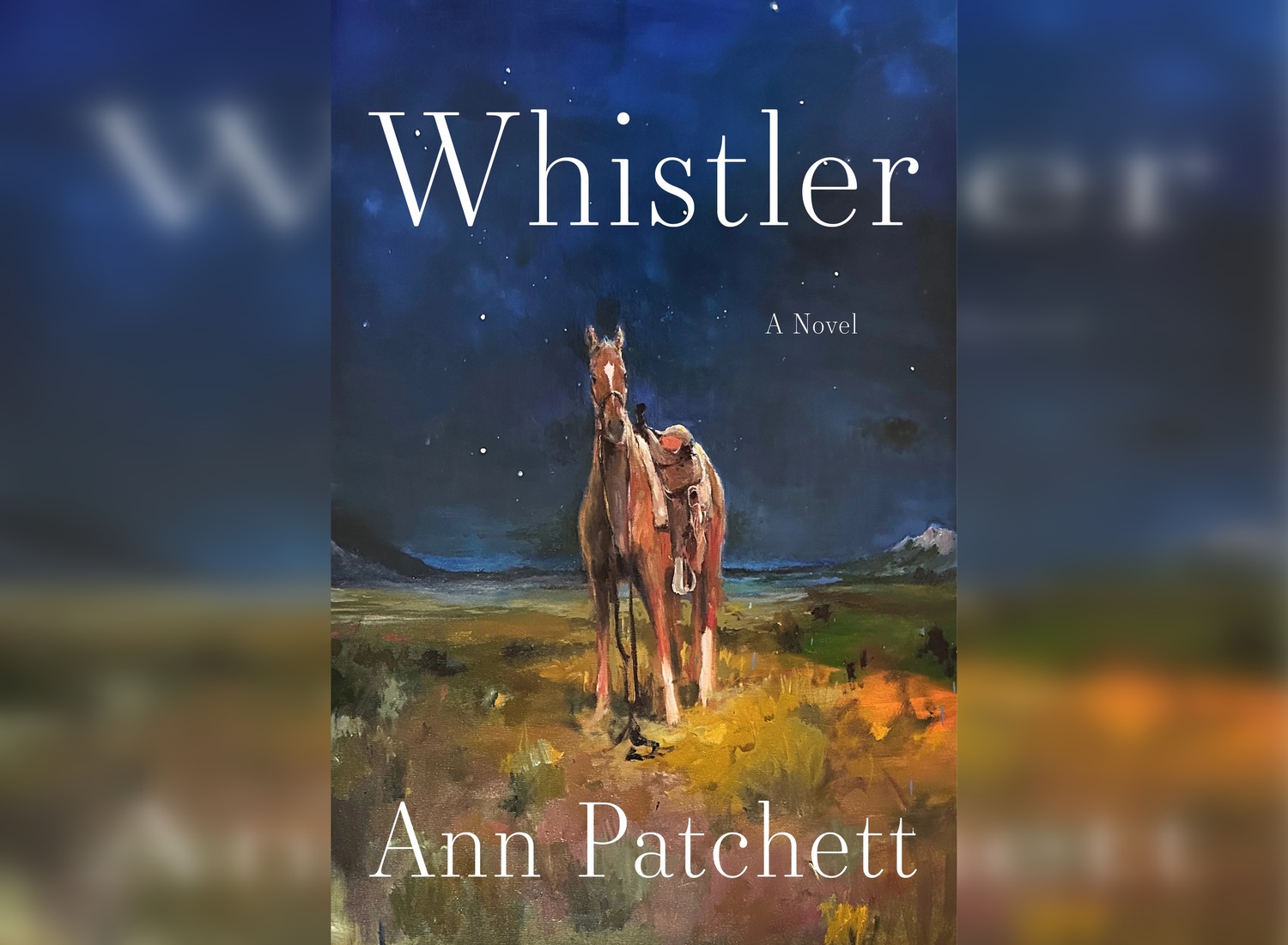
Ann Patchett, Orange Prize for Fiction winner and Pulitzer Prize finalist, has done it again. Stripping away all hints of flowery language or soap-opera confrontations, her 2026 release “Whistler” is a contemporary family drama that manages to be deeply moving without feeling maudlin. The realism of Patchett’s characters are such that “Whistler” feels autobiographical rather than fictitious; if Jane Austen painted human characters with a miniaturist’s brush, then Patchett has brought out the laser pointer.
Protagonist Daphne Fuller is visiting the Metropolitan Museum of Art when her husband Jonathan notices an old man trailing them through the exhibits. Finally confronting the stranger, Daphne realizes that he is her ex-stepfather Eddie Triplett, who married her mother for just about a year when she was nine. A warmhearted book editor, Eddie was the person that Daphne loved more than anyone else before an accident tore them apart and instigated a divorce.
At least, that’s the version Daphne’s mother told her.
“Whistler” is a story of people leaving, and sometimes coming back. Patchett unpicks the decades-old stories that adult Daphne thinks she knows about the past, while simultaneously revealing how deeply she knew her loved ones, even as a child. A schoolteacher in her 50s, the protagonist learns to understand her family and the complex ways that love can manifest or corrupt itself.
Walking through the museum in the very first chapter, Daphne thinks:
“Eddie Triplett walked behind us now, wanting to die. How did I know this? Because I wanted to die myself, and our hearts were forever stitched together, mine and Eddie’s.”
Over the course of the story, Daphne contemplates her relationships with three fathers — biological, ex-stepfather, and her mother’s current husband. Death hovers over each of these men, and Daphne’s careful observation of them enables her to draw conclusions about what it means to live a good life. Patchett’s decision to employ Daphne’s sister Leda as a therapist is no coincidence. Conversations between the two women throughout the book help Daphne verbalize the flickering memories and snippets of the past that the readers wade through with her.
Ultimately, “Whistler” is a coming-of-age story for Gen X, exploring how the effects of a divorce can ripple through different generations. It is Patchett’s ode to the flightiness and surprising resilience of memory, and the strength of the latchkey generation as they battled to be loved by parents focused on their own story.
Therapist Leda claims that — although it is hurtful to be ignored — she and Daphne grew resourceful and brave because their boomer parents did not depend on their Gen X children for a sense of identity.
“We had been given a ringside seat at the edge of [our mother’s] life, and there we balanced. Maybe that was fine.”
Daphne and Eddie Triplett rekindling their relationship is an acknowledgement of the complicatedness of the past, and the necessity of loving imperfect people in spite of their flaws.
“Your mother and I both have a small shard of glass in our hearts where the other is concerned: her disappointment, my shame, her regret and my regret. This helps to pry it loose. All these years later, you can still pry something loose. There’s no sense carrying shame and regret into the next life.”
In her next life, let us hope that Ann Patchett will have the opportunity to read her novels from the perspective of an outsider and have the same awe-inspiring reading experience that we do.
—Staff writer Laura B. Martens can be reached at [email protected].
Want to keep up with breaking news? Subscribe to our email newsletter
Have a tip for The Crimson? Share it confidentially