PAFs Can’t Be the New PCAs
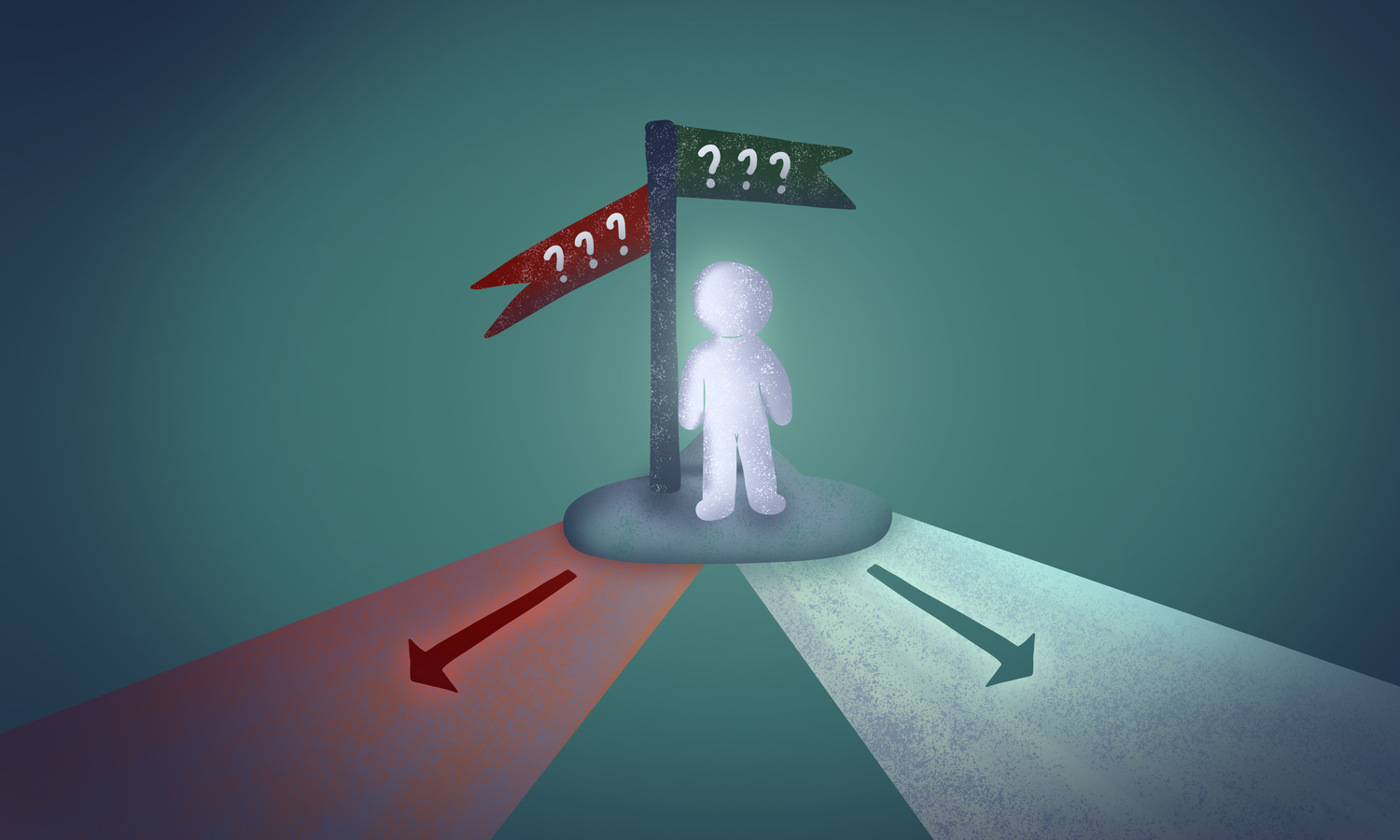
“Ask your PAF” is now the answer to most academic questions posed by Harvard freshmen. While it’s common sense to seek wisdom from your elders, it also indicates that the College’s remodel of freshman advising is insufficient.
This spring, the College announced it would remove dedicated pre-concentration advisers. PCAs — who were mostly volunteers — had previously met with students one-on-one to discuss their coursework and planned concentration during their first three semesters. Freshmen are now advised by a new “network,” including online modules, small-group advising sessions, and entryway advising meetings led by proctors and Peer Advising Fellows. Students are also encouraged to seek out department faculty to answer questions.
On paper, the plan looks fine. In practice, the College is asking students to do its job. PAFs are put in the position to provide concentration and course guidance that they aren’t trained to give. When PAFs fall short, the College seems to expect freshmen to seek out their own advising.
To be clear, the old PCA system had real problems. Assistant Dean for First-Year Academics Katherine Veach wrote that the system utilized a “single assigned generalist” to answer student questions. Dean of Undergraduate Education Amanda Claybaugh and Dean of Students Thomas G. Dunne also cited volunteer shortages and registration timing. But passing the work to students can’t be the only way to solve those problems.
First, the burden falls onto PAFs. Swapping students for staff volunteers doesn’t solve the generalist problem. If no single person can know every field, that’s even more true of a sophomore, junior, or senior with a full course load and a concentration of their own. Upperclassmen are great at telling you about classes they’ve taken or how registration works. They can’t necessarily see beyond their own experience to offer personalized advice or advocate for you within a department — and that shouldn’t be their job.
The burden also falls on freshmen themselves. The 75-minute group sessions meant to replace one-on-one meetings fell short: Six of the 10 freshmen The Crimson interviewed said the session didn’t help much with choosing courses, and one said it skipped basics like how to navigate my.Harvard. A group session can cover the basics, but likely can’t fit each student’s particular path.
The network model assumes freshmen already know what to ask. Veach encouraged students to “build relationships” with faculty and departments “as their questions and interests develop.” But many freshmen often aren’t sure of their academic interests, or which department to contact. Not to mention, they may feel nervous to contact faculty they’ve never met or interacted with before.
Moreover, students who do reach out might not hear back: One freshman said she emailed a concentration adviser on September 1st and had no reply over two weeks later. Freshmen who already know how Harvard works might be fine. Those who don’t are left to guess where to go.
In the past few years, the College has had its fair share of headline-making announcements and policy changes, including grade caps, layoffs, and the artificial intelligence debate. But by offloading advising to students, the College is ignoring a core function of university education: the ability to learn from an educated professional, inside and outside of the classroom. Students didn’t come to Harvard to have their questions answered by another student — least of all one randomly assigned.
The College doesn’t necessarily need to bring back the old system unchanged. It could guarantee every freshman at least one individual advising meeting with a department of their choice each semester, or set a response-time standard for department advising offices, so a freshman’s email doesn’t sit unread for weeks. If recruiting volunteers was the obstacle, the College should find ways to better resource the role, rather than dropping it entirely. That choice may cost money, but leaving eight of the ten freshmen interviewed by The Crimson wishing they had a dedicated adviser costs something too.
A student’s first year at Harvard shouldn’t depend on which upperclassman is assigned to their entryway. The College needs an advising system — it shouldn’t rely on students to provide one.
Taylor P. Beljon-Regen ’29, a Crimson Editorial editor, is a Government concentrator in Leverett House.
Want to keep up with breaking news? Subscribe to our email newsletter
Have a tip for The Crimson? Share it confidentially