‘Is a River Alive?’ Review: A Stilted Love Letter to the Natural World
3.5 Stars
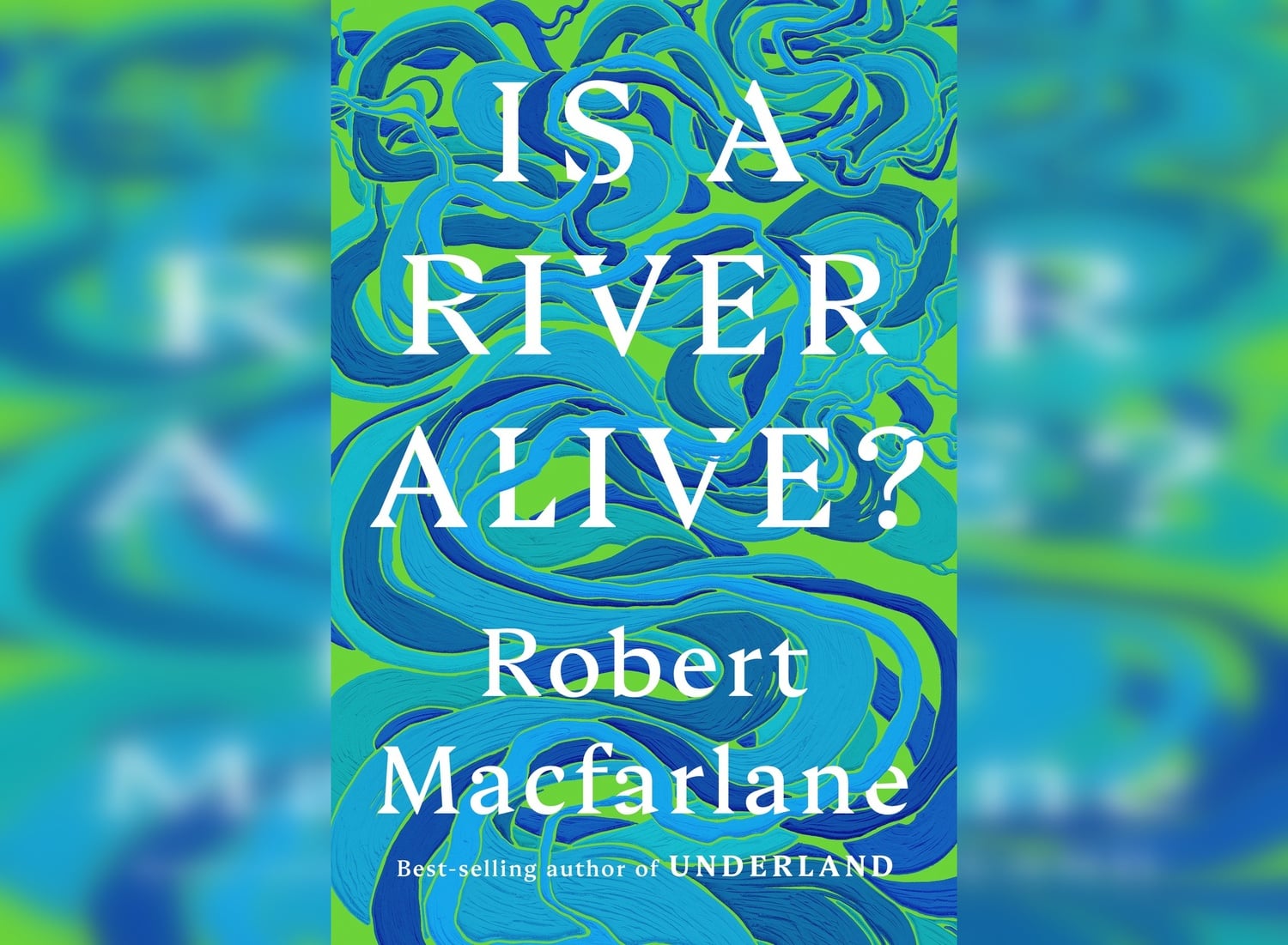
An ecological, nonfiction work that explores the animacy and integrity of nature, “Is a River Alive?,” written by the acclaimed naturalist Robert Macfarlane, is an important book with a clear message.
Divided into three different places, cultures, and rivers, Macfarlane’s “Is a River Alive?” allows readers the chance to visit the unspoiled Río Los Cedros that snakes through the misty cedar forests of Ecuador, the polluted urban Adyar, Cooum, and Kosasthalaiyar rivers of Chennai, India, and the endangered Mutehekau Shipu, or Magpie River, of Canada. Each chapter offers a fleeting image of the ever-changing rivers, leaving readers with an appreciation for their fragility and need for preservation.
In each of his moving accounts, Macfarlane centers the conversation on the rivers themselves, but he doesn’t hesitate to provide extensive context on the status of the ecological preservation of each setting and the rivers’ relationships to surrounding societies and environments. He consults expert naturalists in various fields and recounts not only his own but others’ experiences with the sites. What results from this groundwork is a raw, delicate glimpse into the power of the natural world.
In spite of Macfarlane’s compelling argument, one weakness of “Is a River Alive?” is the abundance of awkward pseudo-poetic statements. Their exaggerated, unnecessary nature states the obvious and detracts from the natural flow of the writing, adding an air of pretentiousness. Natural descriptions thrive in their simplicity. In other words, they speak for themselves. By adding overly poetic commentary to an already poetic subject, Macfarlane seemingly distrusts his readers’ ability to see and understand the depth of the topic on their own.
While these moments of blunt poetic style may just be an echo from Macfarlane’s past writing — like his collection of poems in “The Lost Words” — merging nonfiction with occasional clips of poetic prose can be a difficult feat; such inclusions are often distracting at best.
On a similar note, Macfarlane’s descriptions of the natural world are further undermined by an excess of similes and comparison-based descriptions. At times, it feels as though every other description is rooted in a simile, which — per the nature of similes themselves — relies on the image of something else and, as a result, shifts the focus. Macfarlane’s extensive reliance on basic figurative language not only feels repetitive but, again, distracting.
Lastly, in attempting to answer its titular question, “Is a River Alive?” jumps straight to the answer in its emphatic affirmative. In each formulaic chapter, Macfarlane’s description of the river and setting reaches this answer too quickly. In other words, Macfarlane’s approach to this central question is based on the assumption that the readers already agree with it. As a result, coupled with the unnecessary employment of poetic and figurative language, Macfarlane’s text comes across as assuming, leaving little space for those who do not pick up the book already convinced of the central argument.
—Staff writer Thomas A. Ferro can be reached at [email protected].
Want to keep up with breaking news? Subscribe to our email newsletter
Have a tip for The Crimson? Share it confidentially