‘The Departed’ 20 Years Later: How the Crime Thriller Defined Boston’s Cultural Identity
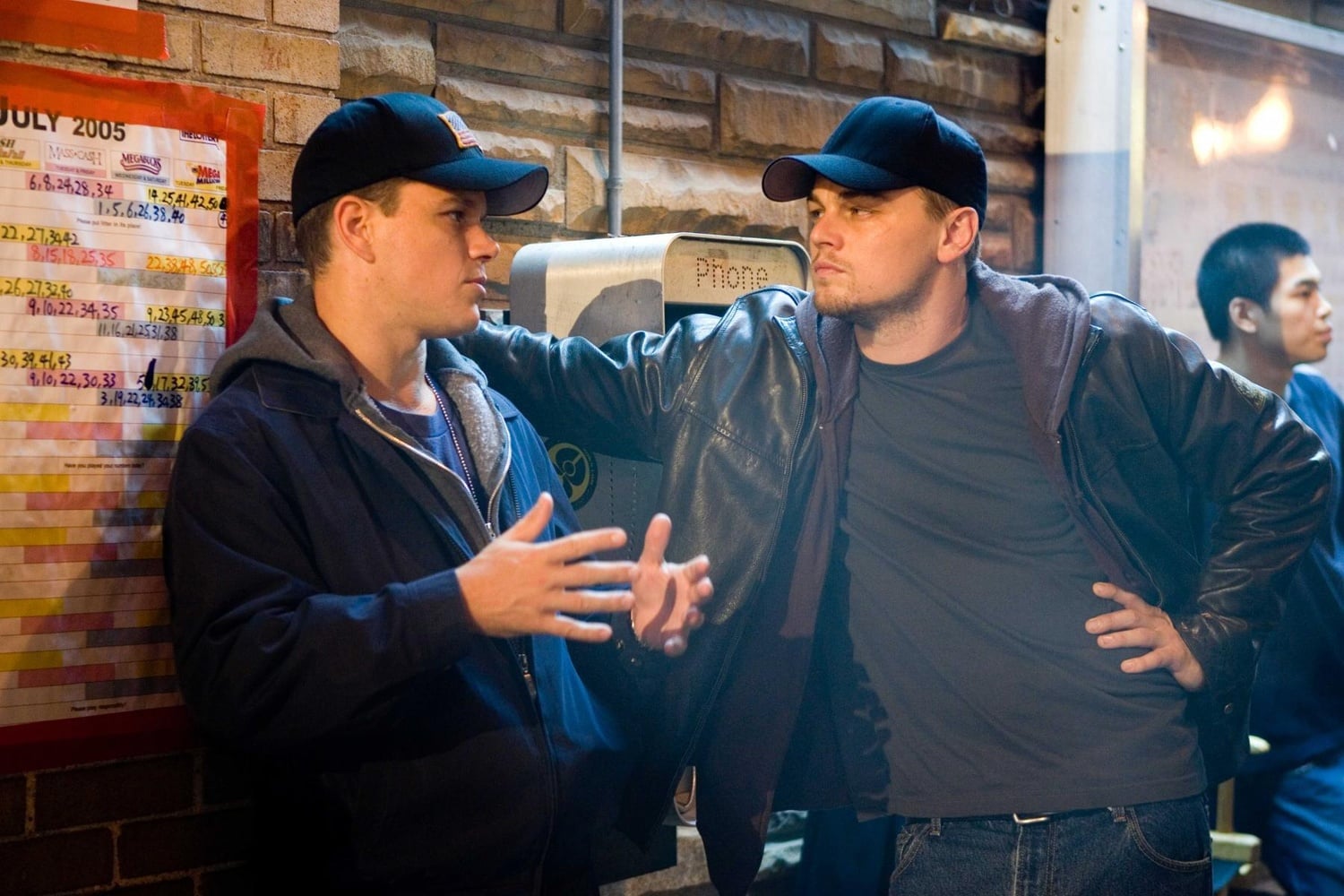
In Oct. 2006, Warner Bros. released Martin Scorsese’s “The Departed,” a crime thriller film that marked a pivotal moment in modern film culture. “The Departed” — an English-language adaptation of the 2002 Hong Kong Film, “Infernal Affairs” — heavily influenced its audience’s perception of the city of Boston, highlighting the Irish Mob’s presence and the police force’s attempts to monitor and shut it down during the early 2000s.
The film’s star-studded cast contributed to its widespread frenzy 20 years ago, and it became one of Scorsese’s classics. Jack Nicholson took on the iconic role of Frank Costello, the volatile and calculated head mobster. As Costello runs his criminal operations, he begins to suspect a mole in his network. Matt Damon delivers as Colin Sullivan, the mole in the police force who is secretly working with Costello. Damon is no stranger to Boston stories, having played Will Hunting in “Good Will Hunting” (1997) and Rory in “The Instigators”(2024), with both films set in the city. Leonardo DiCaprio plays a young officer, Billy Costigan Jr., who is tasked with finding the mole, and in doing so starts working for Costello while reporting back to the police. In addition to its leading cast, there are a variety of famous supporting cast members involved in the film, including Mark Wahlberg, Martin Sheen, and Alec Baldwin.
What further complicates the crime-laden plot is the fact that both Sullivan and Costigan begin dating the same psychiatrist, Dr. Madolyn Madden (Vera Farmiga). This mixture of drama, death, romance, and suspense left audiences stunned. Scorsese has directed many iconic films throughout the years, and it was “The Departed” that earned him his much deserved Oscar for Best Director in 2007. That same year, “The Departed” also won the Oscar for Best Picture, Best Adapted Screenplay, and Best Film Editing.
A primary part of the film’s tone is the culture of Boston itself. 20 years later, a rewatch begs the question: Did Scorsese capture the true essence of the city? Scorsese seemed to accurately characterize the strong loyalties present within each Boston neighborhood, including Charlestown, Chinatown, Fort Point, Beacon Hill, and more. Scorsese contributed to the authenticity of “The Departed” by filming at those locations, and by making sure to incorporate major landmarks and places audiences familiar with Boston would recognize. This dedication to on-site filming gave the film a genuine atmosphere, as well as made Massachusetts residents feel more connected to the film itself.
Beyond filming locations, Scorsese included references to Boston through his musical tracks, including the song “I’m Shipping up to Boston” by the Celtic punk band “Dropkick Murphys.” William Monahan, the screenwriter of the film, is from Boston, and made sure the film’s screenplay was accurate and specific to the city.
Scorsese was able to capture a side of Irish-American identity that runs deep through Boston’s roots, as a consequence of the massive influx of Irish immigrants during the Great Famine that took place from 1845 to 1852. At the time, Boston was expanding and needed more workers, prompting many Irish immigrants to settle in Boston permanently. This Irish community remains strong in the city today, primarily in South Boston (affectionately known as Southie), West Roxbury, and Charlestown.
Reflecting the city’s shifting communities, a primary theme of “The Departed” is the general distrust of institutions, as the film details a significant amount of police and governmental corruption, and explores double identity through moral, professional, and psychological perspectives. The film examines whether loyalty to a social group or another person can outweigh the law. Costello comments on this dichotomy by explaining the issue to a young Sullivan:
“When I was your age, they would say we could become cops or criminals. Today what I’m saying to you is this: When you’re facing a loaded gun, what’s the difference?”
His words blur the line between law and crime and force viewers to ask what actually separates a corrupt institution from criminal activity. This tension is particularly relevant today, as distrust in institutions seems higher than ever.
While Boston has had an undeniable identity in cinema, some narratives have turned the city into less of a place and more of a feeling. That being said, does “The Departed” add to this mythological representation of the city? Or is it a true representation of the city itself?
The film however does have a basis of truth, given the history of Irish mobs in Boston. Costello is loosely based on the notorious mobster, Whitey Bulger, who also had a corrupt relationship with the police and law enforcement. At the time the film was released, Whitey Bulger was still a fugitive, and he wasn’t caught until 2011, years after “The Departed” came out. Sullivan was also based on a real FBI agent who was tied to Bulger, John Connolly. The film ties the closeness and intimacy of Boston neighborhoods to real events and people.
Although there is a lot of truth woven in, “The Departed” is still a dramatization, and it helped shape the myth of Boston. Through film and its cultural reception, Boston has become a cinematic and desirable location, becoming a focal point for tourism, celebrations, and more. 20 years later, “The Departed” still leaves audiences drawn to Boston’s authenticity and charm.
— Staff Writer Thalia I. Ferro can be reached at [email protected].
Want to keep up with breaking news? Subscribe to our email newsletter
Have a tip for The Crimson? Share it confidentially