The FAS Wanted to Cut Costs. It Hired McKinsey.
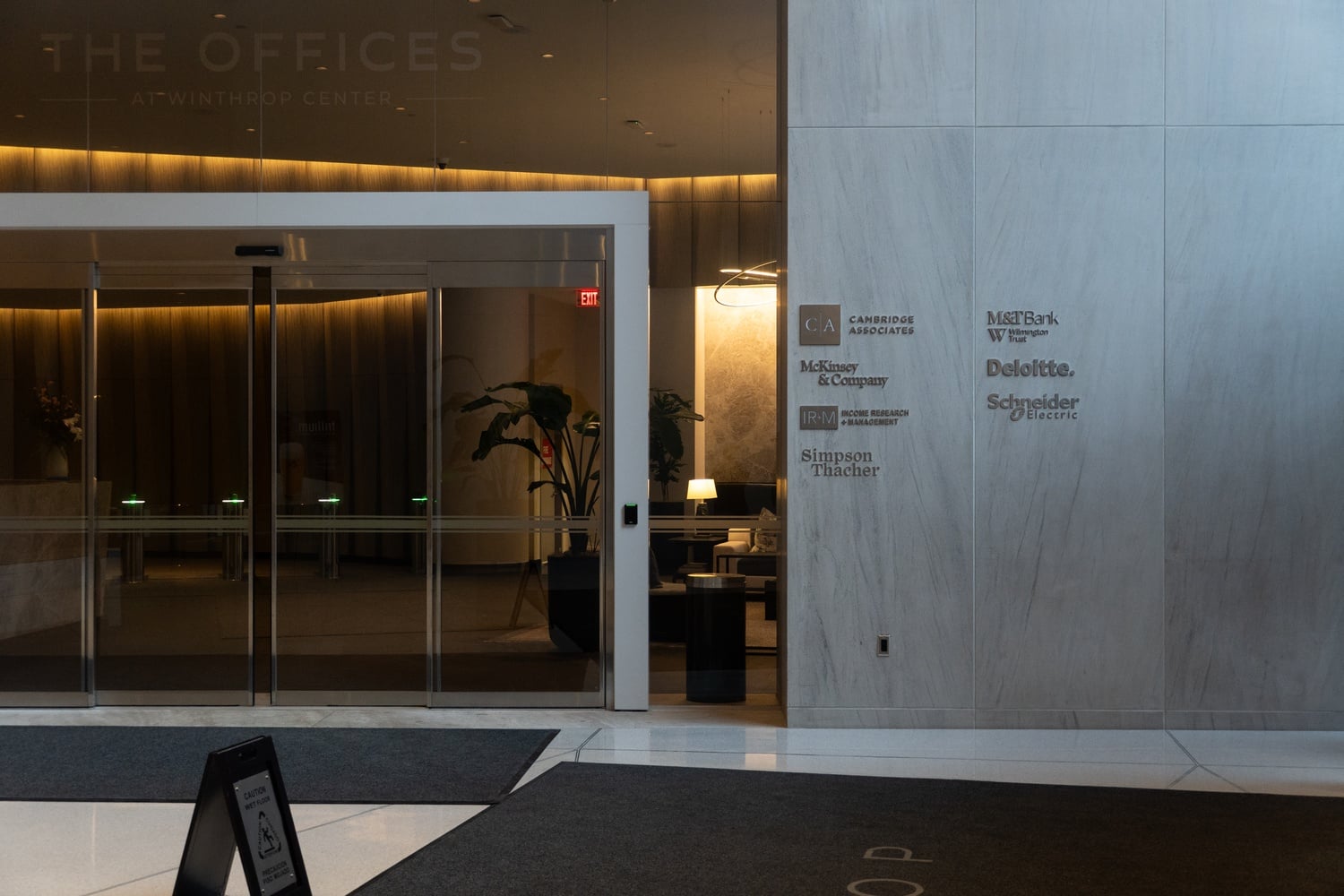
When the Faculty of Arts and Sciences set out to slash costs, it turned to an unlikely source for thrift: McKinsey & Company, one of the world’s most expensive management consulting firms, according to four people familiar with the matter.
Over several months, McKinsey’s consultants have been interviewing dozens of administrators and staff, according to one person, as they help an FAS committee develop plans to overhaul staff positions and shore up expenses amid a mounting budget deficit.
Although the FAS has not publicly announced its partnership with McKinsey, members of the FAS Task Force on Workforce Planning told faculty during a closed-door portion of a November faculty meeting that the firm had been brought on to support planning and inform best practices, according to one professor in attendance.
At least one consultant was present at the meeting, the faculty member said.
McKinsey began interviewing Harvard faculty over the summer, another person said. It remains unclear whether the engagement has concluded.
McKinsey, one of the largest and most influential management consulting firms in the world, is known for advising Fortune 500 companies, governments, and major institutions — often on engagements that cost hundreds of thousands of dollars or more.
A spokesperson for McKinsey did not respond to a request for comment Thursday evening.
FAS spokesperson James M. Chisholm confirmed that the task force had hired external consultants, but declined to confirm that McKinsey was among them or disclose how much the school had spent on the firm.
Get The Crimson in your inbox.
“This important work is being driven by the FAS, including more than 80 faculty and staff members currently engaged in the detailed design of the new administrative model,” Chisholm wrote in a statement. “It is also benefiting from the expertise and support of outside consultants.”
FAS Dean Hopi E. Hoekstra convened the Task Force on Workforce Planning last spring to redesign the FAS’s administrative model. In December, she approved a plan to centralize staff positions — and likely eliminate some roles in the process — as part of an effort to reduce labor costs under financial pressure.
At a December all-staff meeting, Katherine Gates, chief of staff to the dean of FAS finances and a member of the task force, said the committee compared the FAS’s administrative structure to those at law and consulting firms, as well as peer universities.
She described those organizations as “places where essentially knowledge is what is sold, similar to a university where we are distributing our knowledge.”
She did not mention that the FAS had brought McKinsey on board.
The task force remains in the early stages of a broader overhaul that would likely eliminate some staff roles entirely. Ahead of the December all-staff presentation, the task force examined roughly 2,300 staff positions, which together cost the school around $300 million. It found that the FAS has more than 1,500 unique job titles and upwards of 60 separate financial, human resources, and administrative systems.
The effort comes amid a wave of cost-cutting measures at the school in the face of a $365 million budget deficit. In March, the FAS announced that it would keep spending flat for the 2026 fiscal year. In the fall, it drastically reduced Ph.D. admissions — a decision that created significant friction within the faculty.
—Staff writer Abigail S. Gerstein can be reached at [email protected] and on Signal at abbysg.97. Follow her on X @abbysgerstein.
—Staff writer Amann S. Mahajan can be reached at [email protected] and on Signal at amannsm.38. Follow her on X @amannmahajan.
Want to keep up with breaking news? Subscribe to our email newsletter
Have a tip for The Crimson? Share it confidentially